
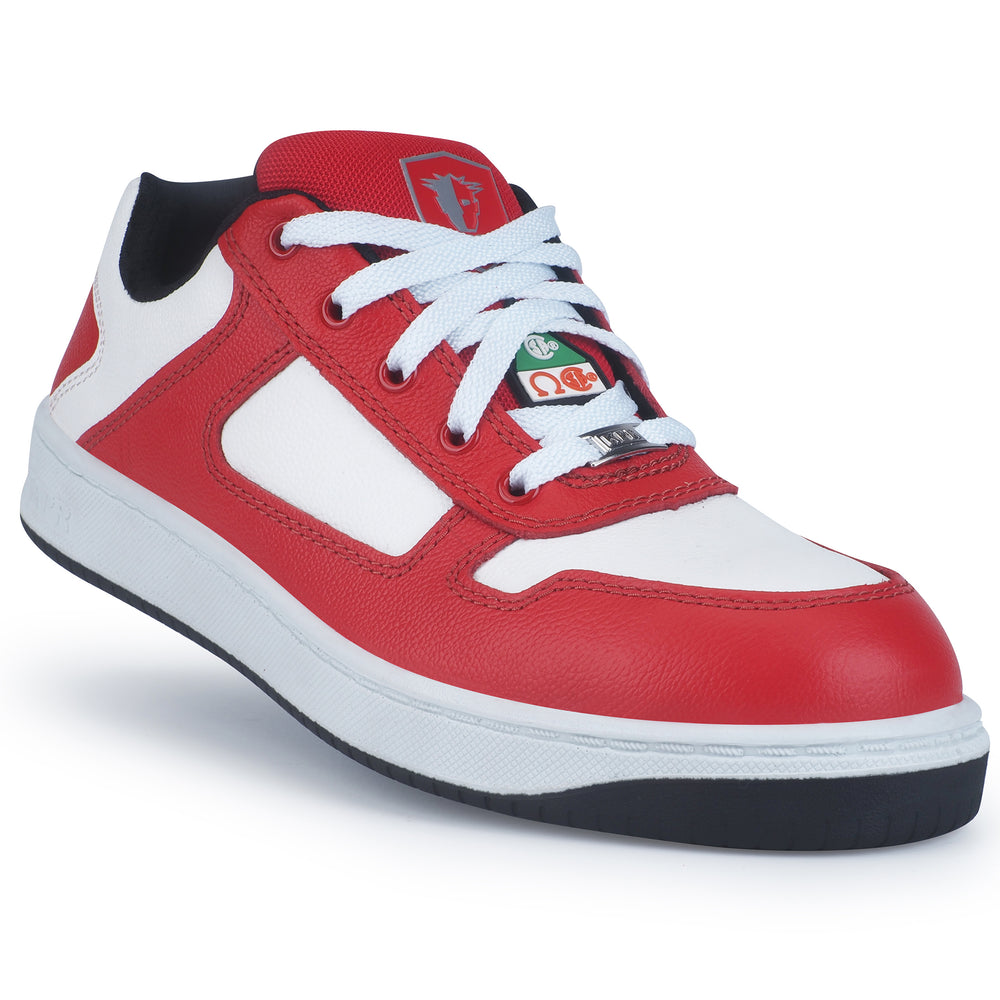
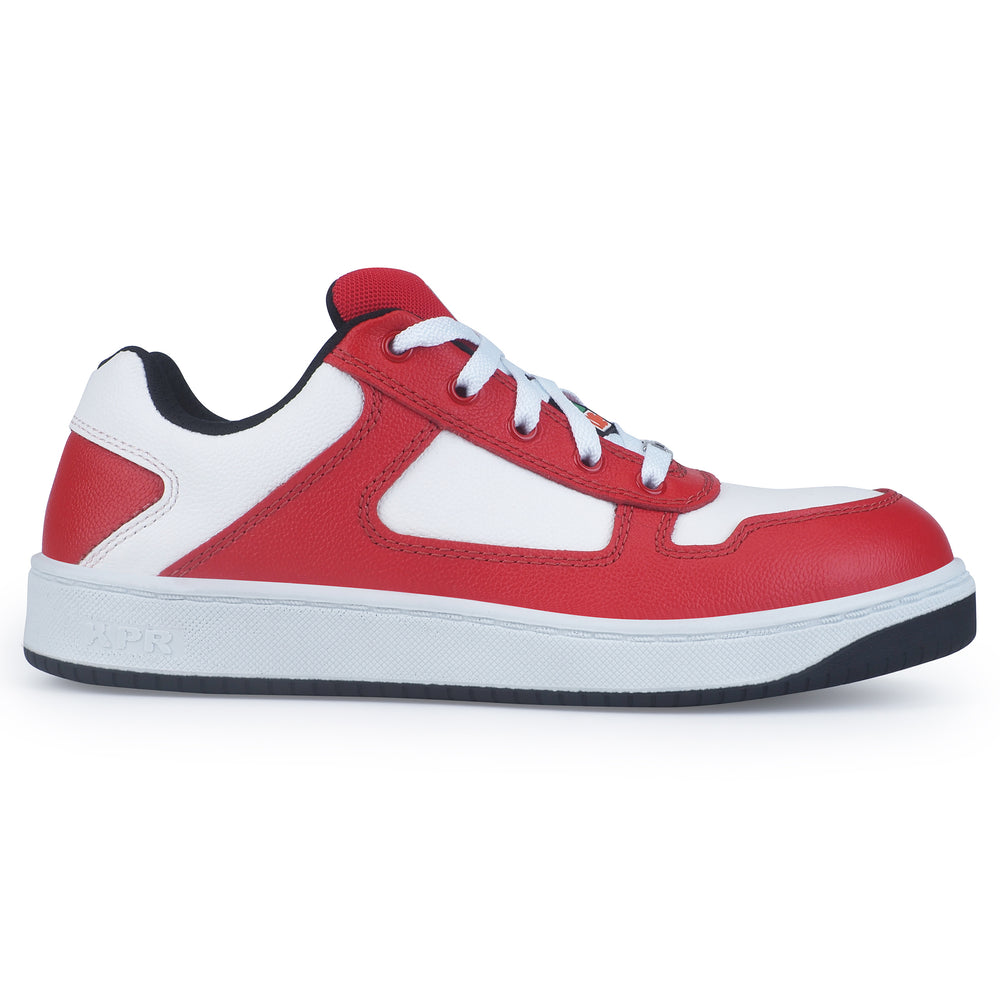
I885
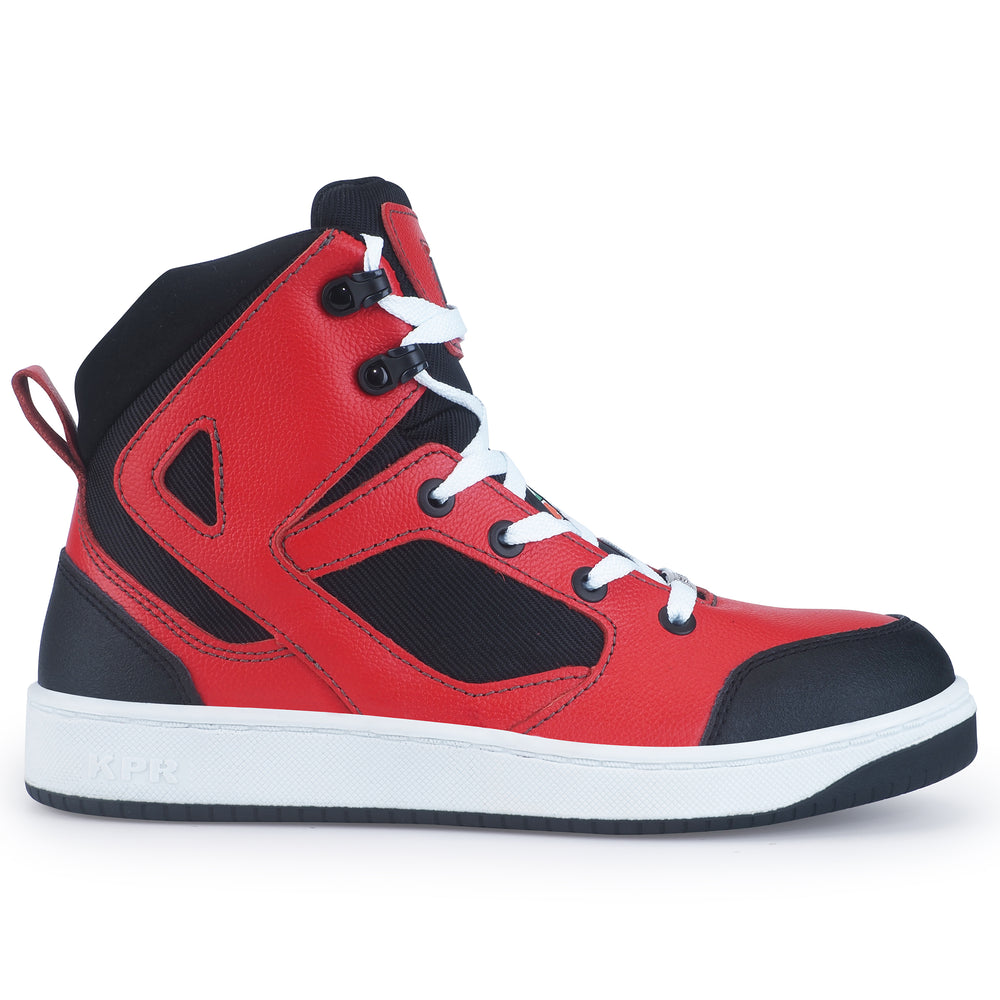
CSA Grade 1 · Green Triangle · ESRKPR I885 Athletic Metal-Free Safety Sneakers - Red
CA$119.99
View I885 →

KPR safety footwear helps workers compare work boots and work shoes by job, protection, fit and construction — with specifications shown at the exact-model level.
Start with the job and hazard. Recommendations use the model-specific work, protection and fit information available for each product.
Browse the KPR range and confirm the exact model specifications required for your workplace.
I885
CSA Grade 1 · Green Triangle · ESR
M027X
CSA Z195-14 · ASTM F2413-24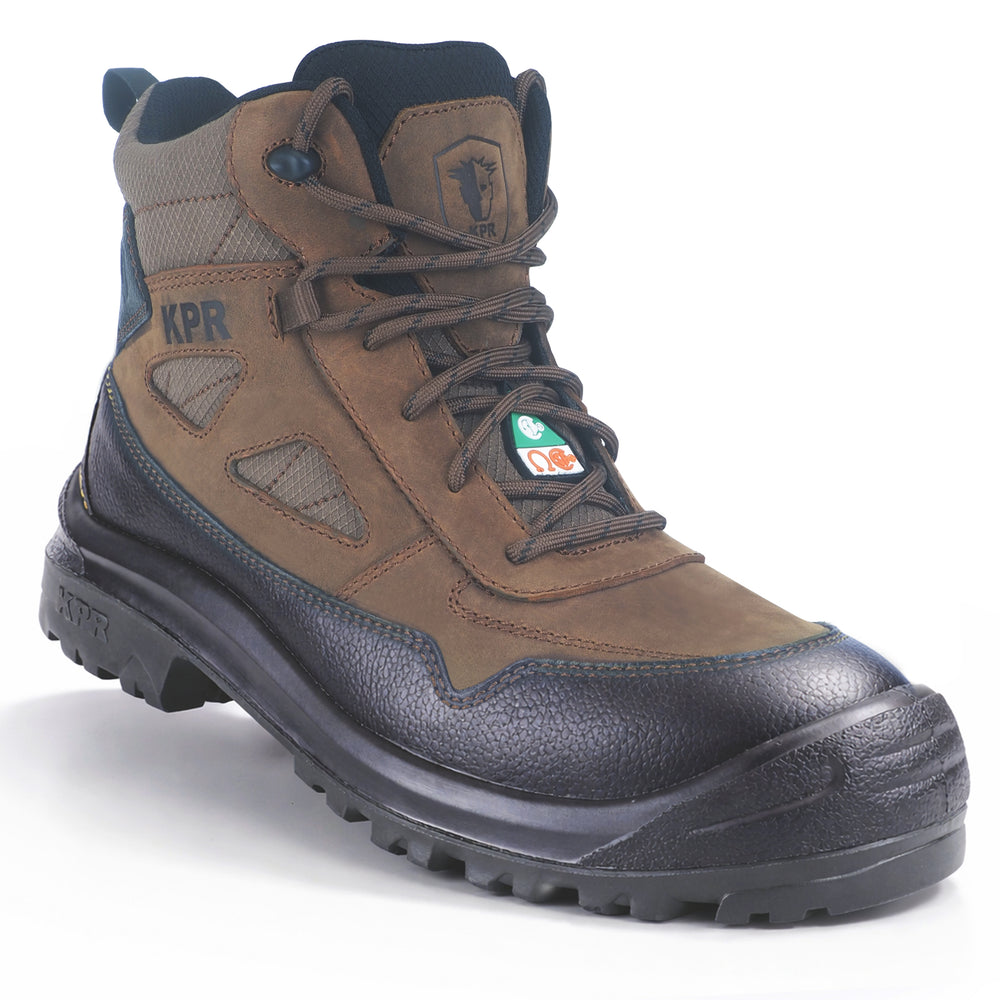
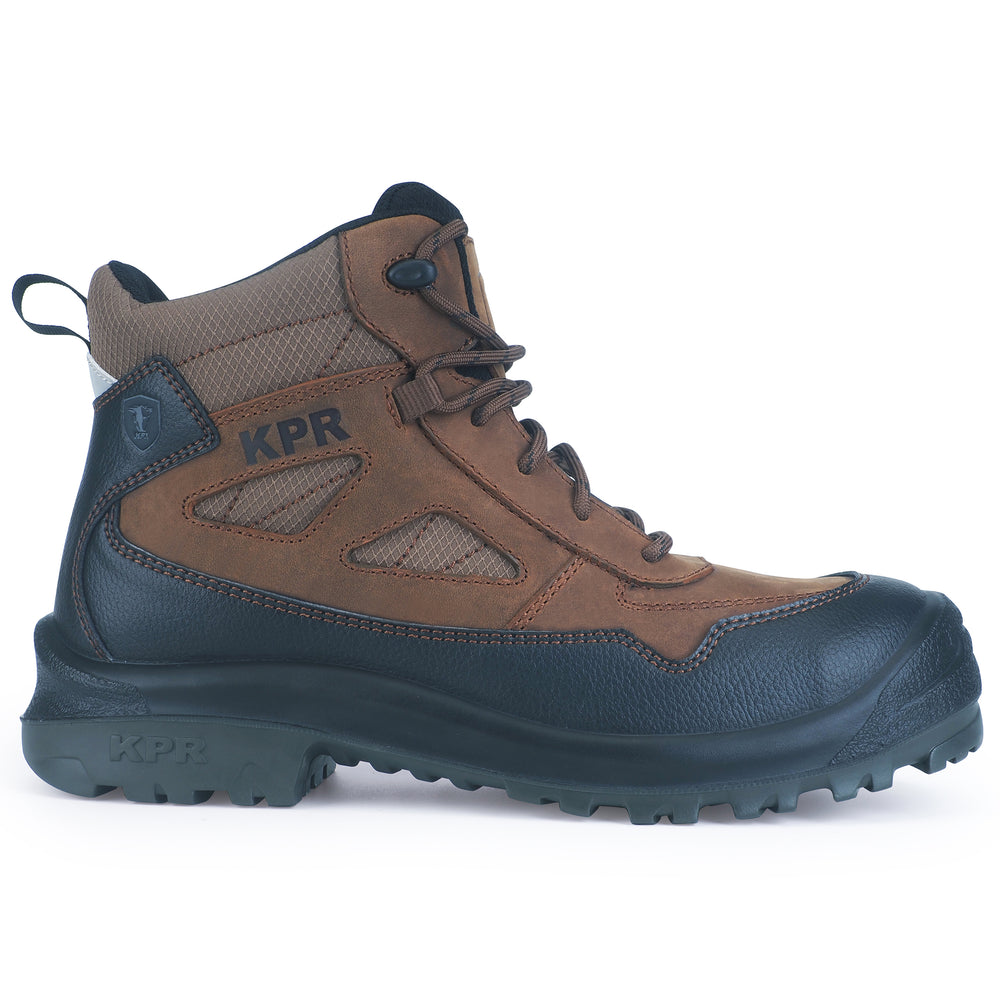
M027X
CSA Z195-14 · ASTM F2413-24

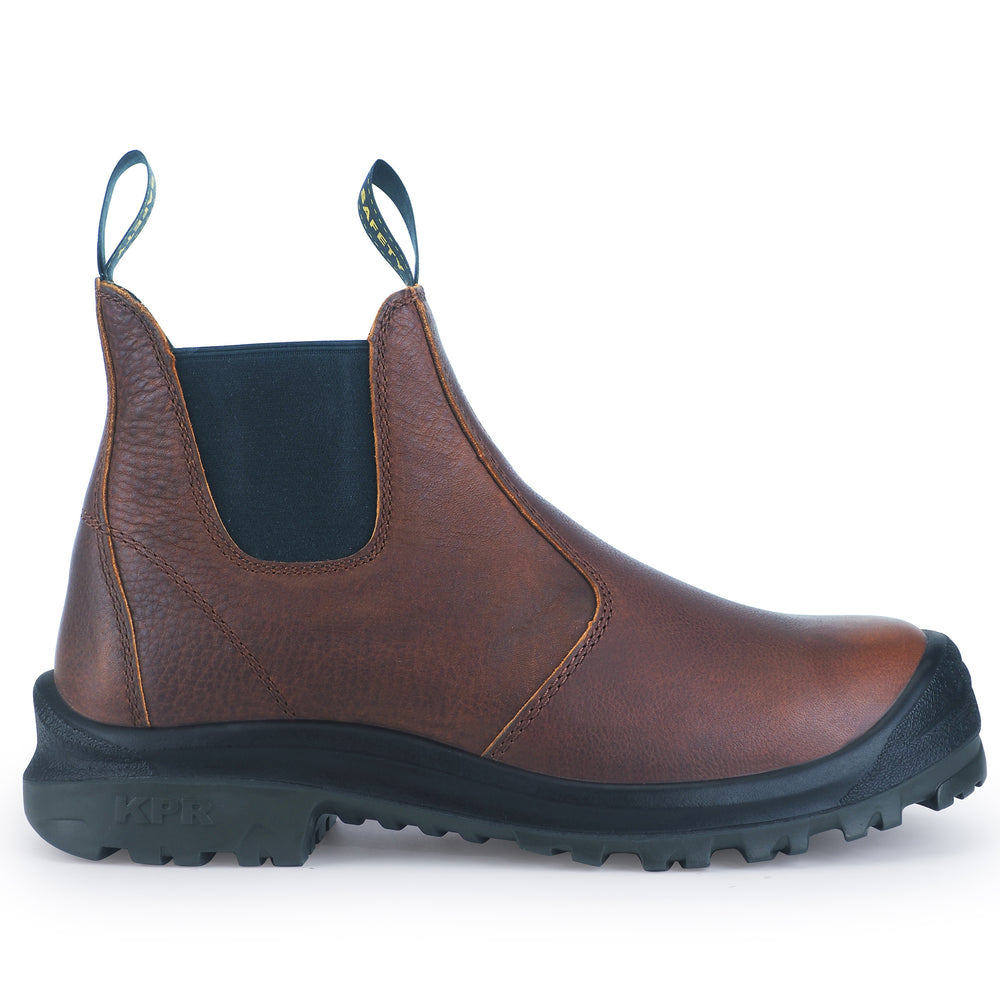
M706
CSA Approved · ESR positioning


M027X
CSA Z195-14 · ASTM F2413-24
M027X
CSA Z195-14 · ASTM F2413-24
M027X
CSA Z195-14 · ASTM F2413-24
M706
CSA Approved · ESR positioning
M027X
CSA Z195-14 · ASTM F2413-24

I885
CSA Grade 1 · Green Triangle · ESR

I885
CSA Grade 1 · Green Triangle · ESR

O807
CSA Approved · Green Triangle · ESD
I885
CSA Grade 1 · Green Triangle · ESR
M027X
CSA Z195-14 · ASTM F2413-24
M027X
CSA Z195-14 · ASTM F2413-24
M706
CSA Approved · ESR positioning
M027X
CSA Z195-14 · ASTM F2413-24
I885
CSA Grade 1 · Green Triangle · ESR
M706
CSA Approved · ESR positioning
I885
CSA Grade 1 · Green Triangle · ESR
O807
CSA Approved · Green Triangle · ESD
I885
CSA Grade 1 · Green Triangle · ESR
I885
CSA Grade 1 · Green Triangle · ESR
O807
CSA Approved · Green Triangle · ESDExplore the models currently curated in the KPR Best Sellers collection, then compare the exact protection, fit and construction recorded for each product.
I885
CSA Grade 1 · Green Triangle · ESR
M706
CSA Approved · ESR positioning

Start with the work environment, then confirm the exact model specifications required for your workplace.

Compare lower-profile and boot options around walking, standing, surfaces and required protection.
Explore footwear →
Compare toe, puncture, traction and weather-related specifications by exact model.
Explore footwear →
Browse KPR footwear organized for industrial floors, machinery areas and repetitive movement.
Explore footwear →
Learn what electrical-hazard (EH) footwear means, where the marking applies, and why exact-model documentation matters.
Read EH guide →
Compare water protection, traction and coverage by exact model for changing conditions.
Explore footwear →
Compare fit, coverage and protection profiles for driving, loading and mixed work environments.
Explore footwear →KPR is a safety-footwear brand focused on work boots and work shoes for industrial, construction, warehouse, transportation and outdoor work environments. Depending on the model, KPR footwear may include steel or composite safety toes, puncture-resistant underfoot protection, slip-resistant outsoles, water protection, and CSA or ASTM markings. All KPR products use DESMA direct-injection construction. Exact protection and construction vary by model.
Protection, fit and construction are shown at the exact-model level so buyers can verify what is recorded for the footwear they are considering.
Compare safety-toe type, puncture resistance, traction, water protection and other model-specific fields before choosing a profile.
All KPR products use DESMA direct-injection manufacturing. Upper, midsole and outsole information is documented where available for the exact model.
Size, width, fit notes and workday comfort belong in the same decision as the protection required by the workplace.
Material affects fit and feel; the exact marking confirms tested protection.
Practical guidance for choosing, wearing and caring for work footwear.
A focused Canadian guide that separates electric-shock-resistant, static-dissipative and ...
A focused Canadian guide to triangle, rectangle and metatarsal markings for toe, underfoo...
A workplace-program method for checking static-dissipative, ESD and conductive footwear w...
Open a question to review the brand-level guidance, then confirm the exact specification on the product page.
KPR is a safety-footwear brand focused on work boots and work shoes for industrial, construction, warehouse, transportation and outdoor work environments. Product information is organized around the job, protection, fit and construction, with exact specifications shown at the model level.
Depending on the model, KPR footwear may include steel or composite safety toes, puncture-resistant underfoot protection, slip-resistant outsoles, water protection, and CSA or ASTM markings. Verify the exact product marking and specification before purchase.
No. Steel and composite describe the toe-cap material, not the verified protection level by themselves. Compare weight, metal content and temperature transfer, then use the exact model marking and documentation to confirm tested performance.
No. Toe impact protection and underfoot puncture protection address different hazards. Confirm both fields separately when sharp objects, nails or debris are part of the workplace risk.
All KPR products use DESMA direct-injection manufacturing. Construction is model-specific, so confirm how a particular model is made on its product page.
Start with the protection required by the workplace, then compare coverage, fit, width, construction and work environment. The KPR Safety Shoe Finder can help narrow the current range.
No. Electrical Hazard protection and ESD or ESR static-control designations are different and should not be treated as interchangeable. Confirm the designation recorded for the exact model.
Identify the hazard, then confirm the required exact-model marking.
Look for the protective-toe performance required for impact and compression exposure.
Review hazard guidance →Confirm puncture-resistant underfoot protection separately from the safety toe.
Review hazard guidance →Compare model-specific traction and water-protection information for the work surface.
Review hazard guidance →EH, ESR and ESD address different risks. Use only the designation required for the job.
Read electrical guidance →Foot length is the starting point. Width, work socks, model construction and personal fit preferences still matter.
Measure in the socks you normally wear during the workday.
Stand with your heel against a wall and measure to the longest toe.
Use the longer measurement as the starting point.
Allow roughly 12.5 mm at the toes while keeping the heel and ankle comfortably secure.
For 20+ pair workforce purchases, wholesale or distributor discussions, and custom or OEM projects, start with the job, volume and protection requirements.

