Work Safety

How should safety shoes fit?

DIRECT ANSWER

Safety footwear should hold the heel and midfoot securely without painful pressure while leaving functional room ahead of the longest toe. Measure both feet while standing, wear normal work socks and use the larger foot as the starting point. Width, insoles, orthotics and the exact model shape can change the final fit.

MEASUREBoth feet while standing
TEST WITHNormal work socks, insoles and orthotics
FINAL CHECKToe room, width, heel hold and walking comfort
Reviewed August 12, 2026 · Global guidance · Confirm exact-model documentationOpen the related KPR knowledge section →

Quick answer

Safety shoes should feel secure at the heel and midfoot while leaving enough toe room for natural movement. Your toes should not press into the safety cap when standing, walking or descending stairs.

What to check

Check heel hold, forefoot width, toe clearance and how the shoe feels after your feet have warmed up. Work shoes worn for long shifts should be assessed with the socks you normally wear at work.

Five-minute fit test

Stand, walk, bend, climb a step and lightly kick forward. Stop if the safety cap contacts your toes, the heel lifts excessively, or the forefoot feels compressed.

FAQ

Should safety shoes be bigger than normal shoes? Not automatically. Choose the size and width that provide secure hold with adequate toe clearance.
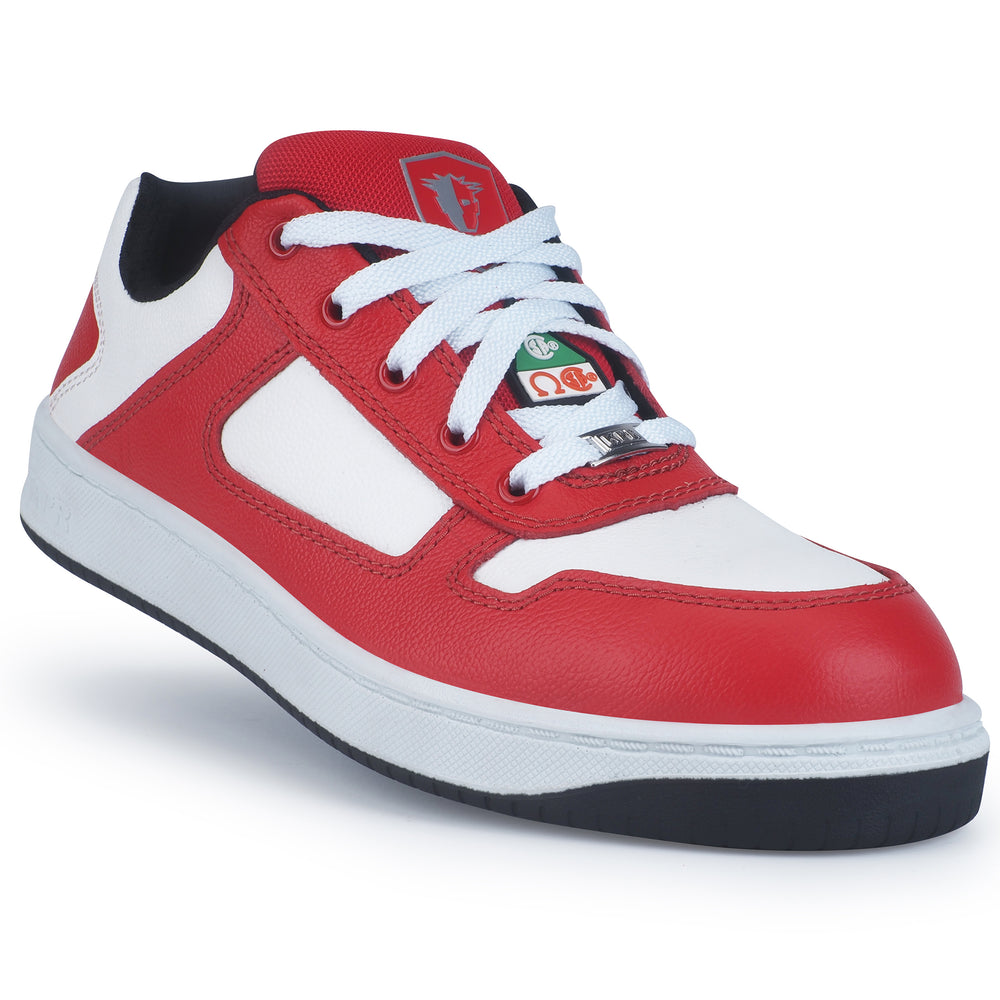
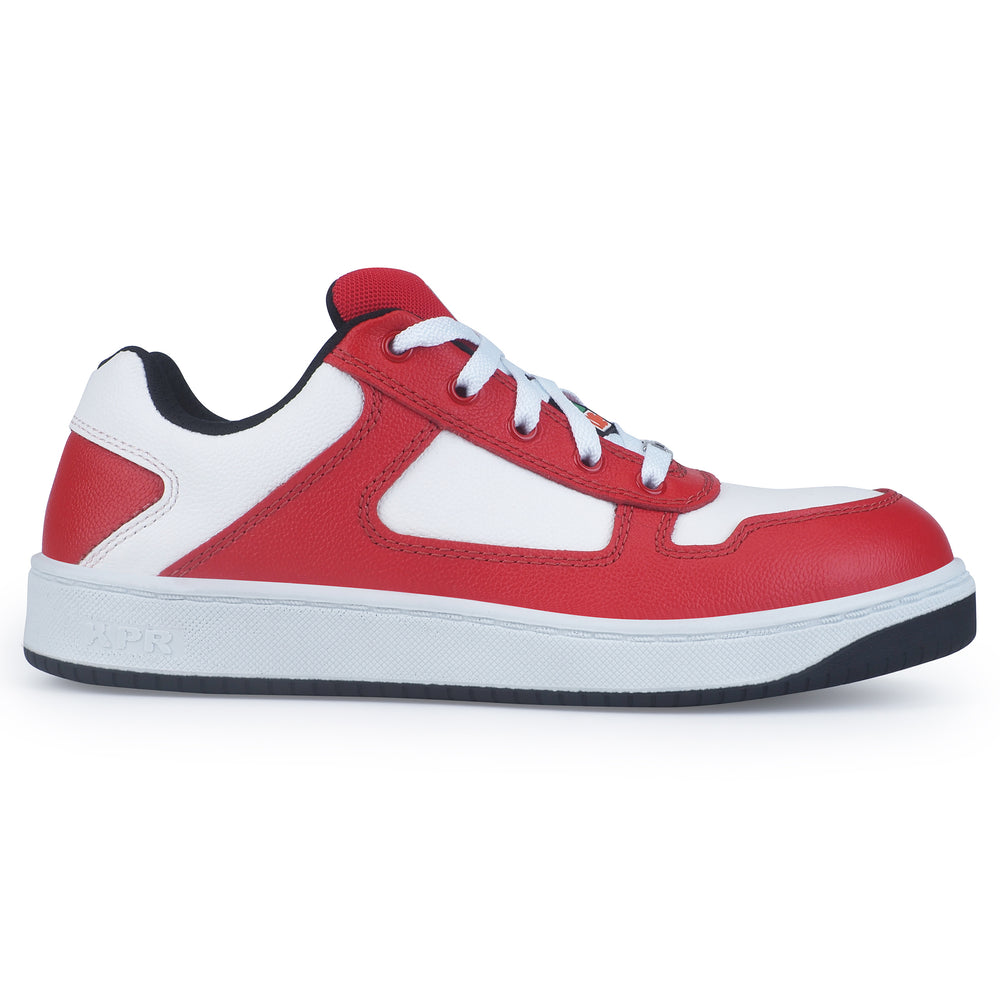
Recommended KPR footwear

Continue from the guide to the product.

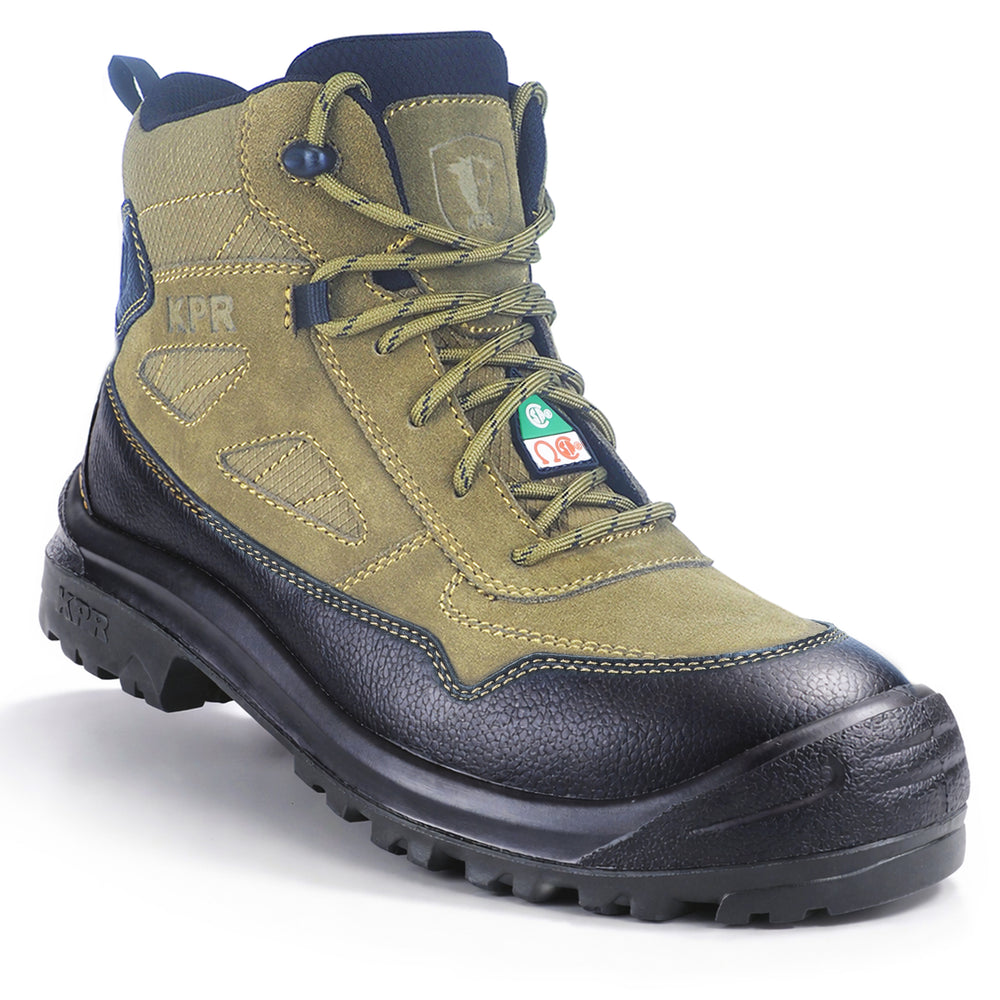
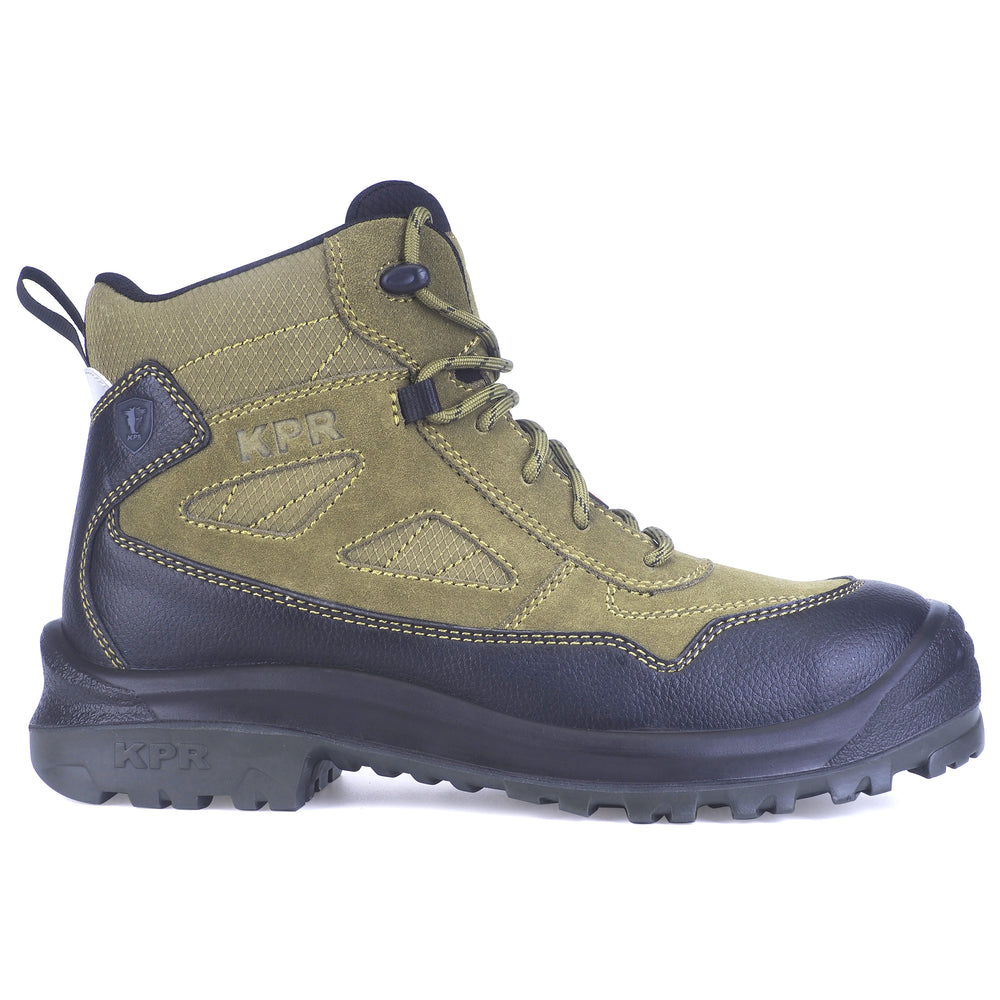
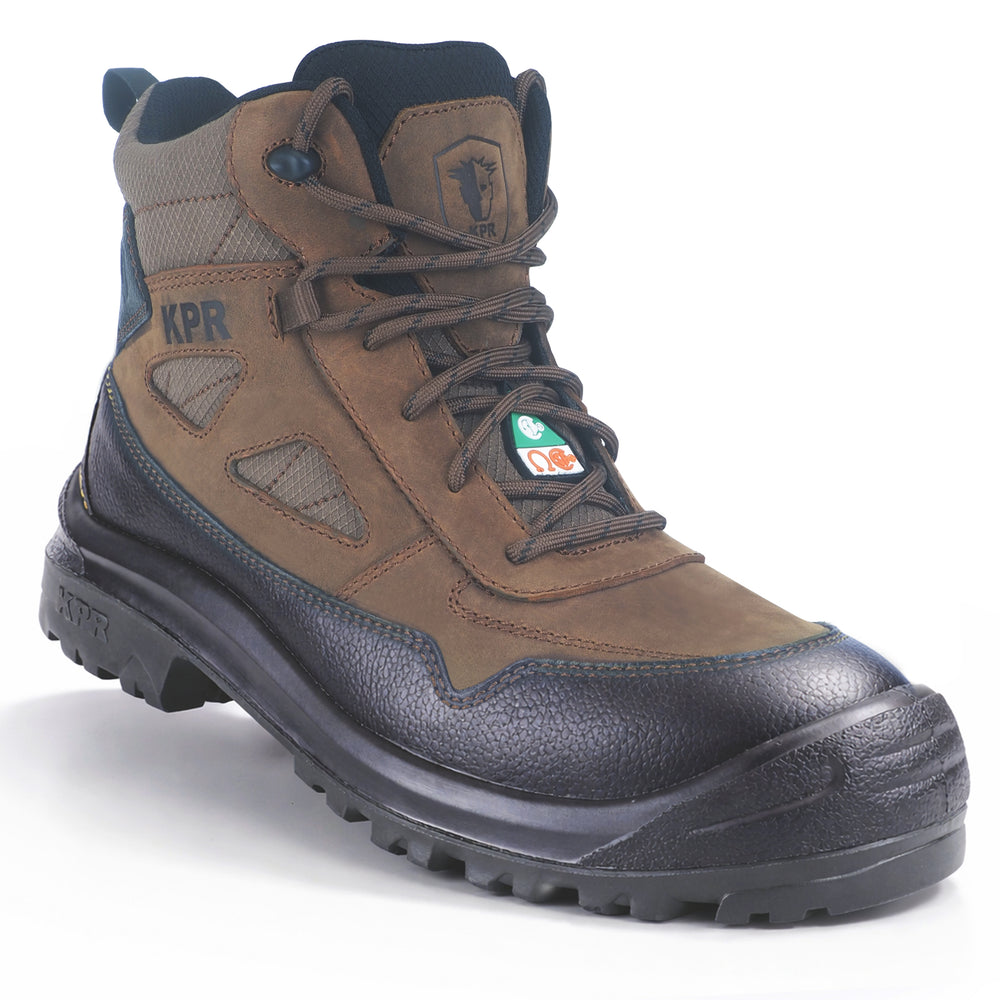
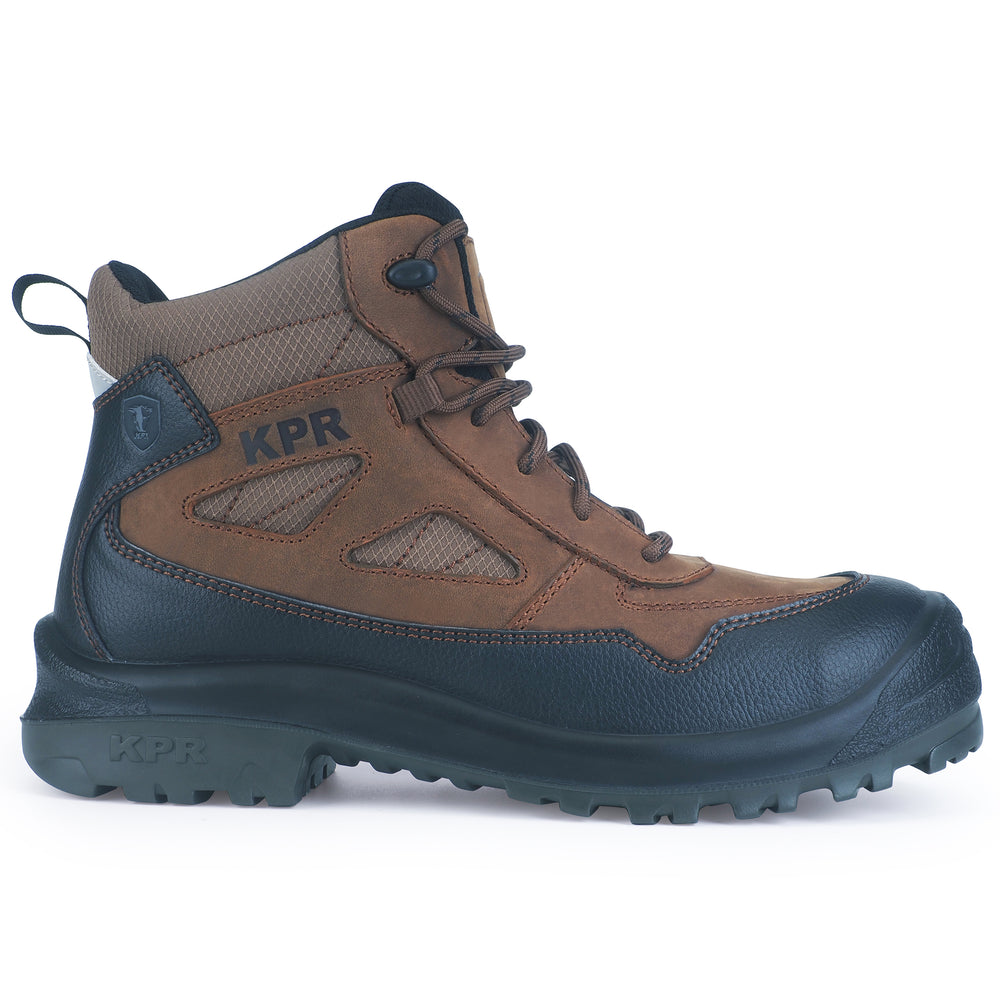
Use these products as a starting point, then confirm the exact specifications for your job.

Safety note: Workplace hazards and employer requirements vary. Product standards and protection markings are model-specific; confirm the exact product information required for your job.