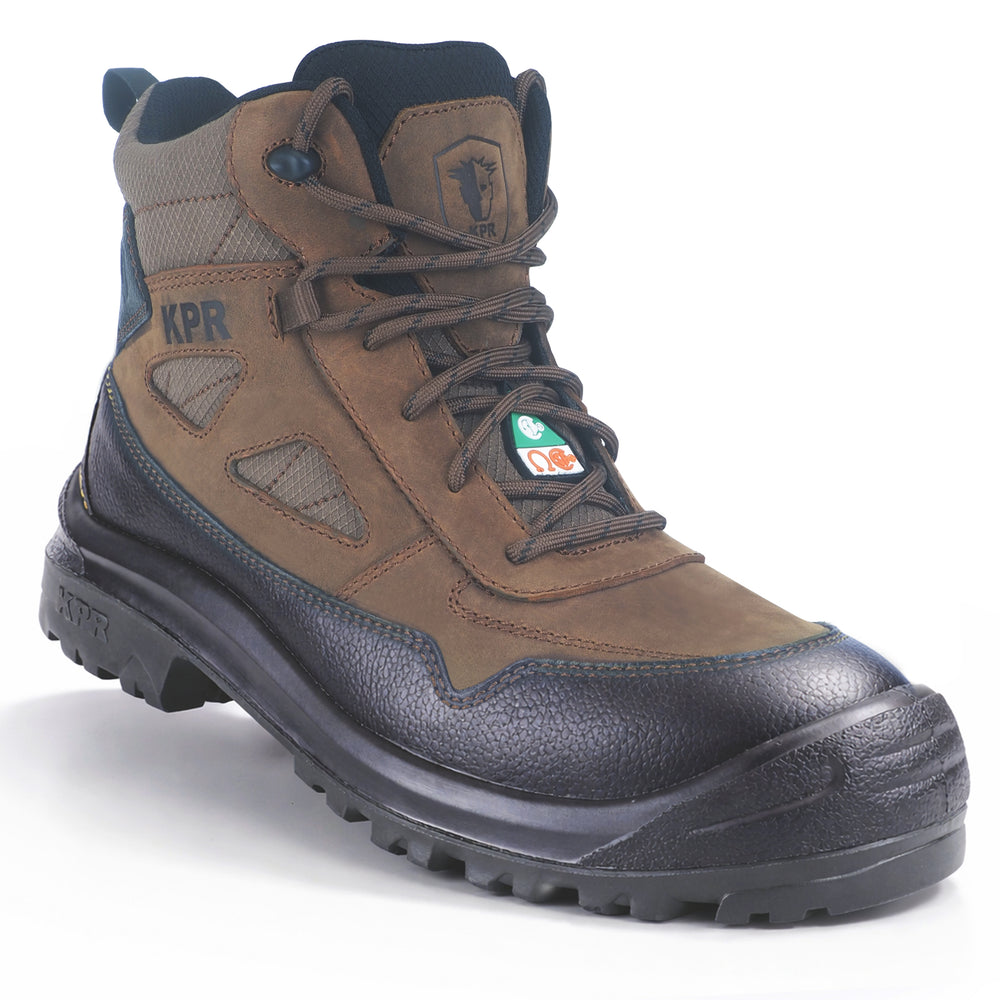
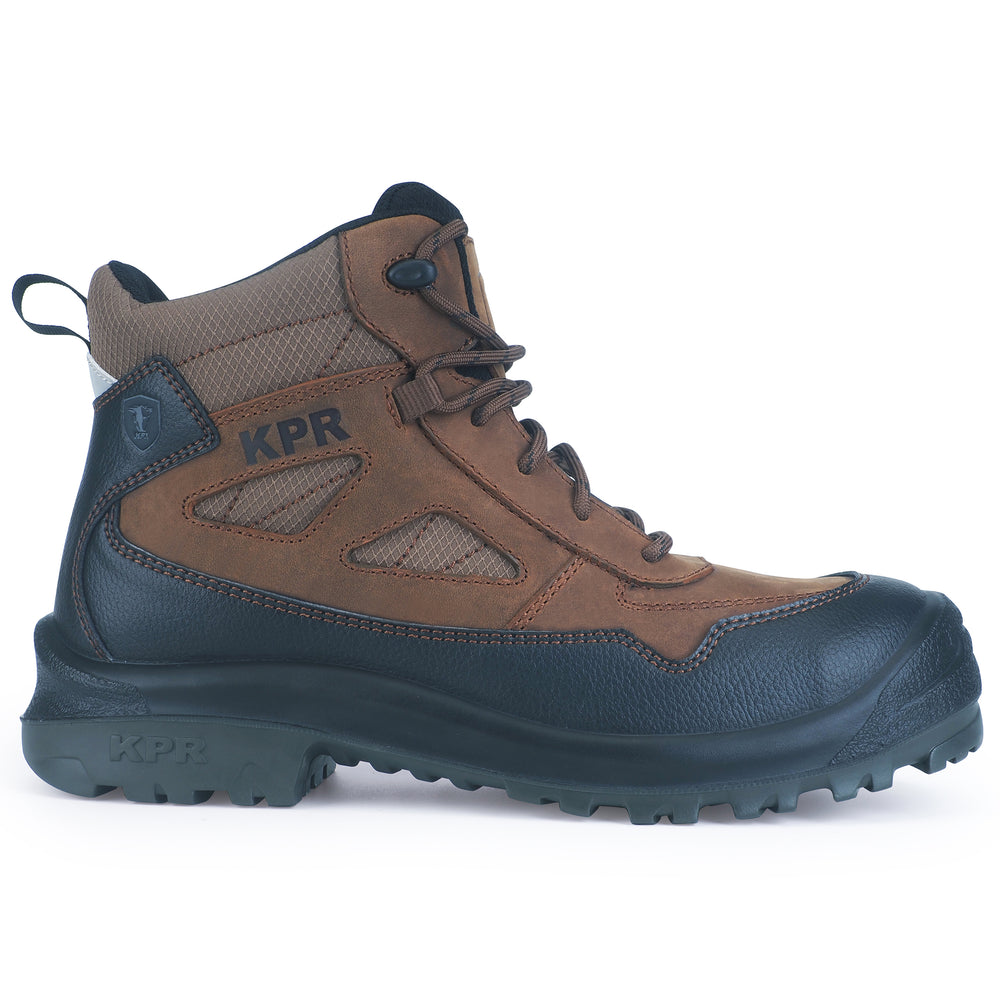
Safety footwear does not have one universal replacement date that works for every worker. A warehouse employee on smooth indoor floors and a construction worker exposed to sharp debris, chemicals and abrasive concrete can wear the same model very differently. The better approach is regular inspection.
Replace based on condition, not appearance alone
A boot can look worn and still be serviceable, while another can look relatively clean but have damage in a protective area. Focus on the components that affect fit, traction and protection.
Check the outsole
- Tread is worn smooth in high-contact areas.
- Deep cuts expose internal layers.
- Chunks of rubber are missing.
- The outsole is separating from the upper or midsole.
Check the toe area
After a significant impact or crushing event, inspect the protective toe area carefully. If the toe structure feels deformed, the upper is cut deeply, or the protective component may have been compromised, the footwear should not be treated as normal everyday wear.
Check puncture protection and the underfoot area
If a nail, sharp metal or other object has penetrated the outsole, do not assume the boot remains fully protective because the object did not reach your foot. Damage can affect the outsole and puncture-resistant layer.
Check the upper and flex zones
Look for deep cracks, torn stitching, holes or material failure around the flex point. Damage near the toe cap, side wall or heel can affect support and allow moisture or debris into the boot.
Check fit and stability
If the heel counter has collapsed, the insole is permanently compressed, or the boot no longer holds your foot securely, it may be time to replace it even if the outsole still has tread.
Make inspection part of the shift
A quick visual check before work and a more detailed inspection during cleaning can catch problems early. For employer-managed PPE programs, damaged footwear should be reported according to workplace safety procedures.
Use the KPR Protection Guide and Safety Standards pages to understand the protective features specified for each model.