Work Safety

Composite toe vs steel toe

DIRECT ANSWER

Steel and composite safety toes can both provide certified protection when the exact footwear is tested and marked to the required standard. Steel is metallic and often uses a compact cap profile. Composite is nonmetallic and can reduce metal content, weight and temperature transfer. The material name alone does not prove the protection level.

PROTECTION PROOFExact model marking and documentation
STEELMetallic; can trigger metal detection
COMPOSITENonmetallic; construction varies by design
Reviewed August 12, 2026 · Global guidance · Confirm exact-model documentationOpen the related KPR knowledge section →

Quick answer

Both composite and steel safety toes can be appropriate when the finished footwear meets the required standard. The better choice depends on the job, fit, weight preference and workplace rules.

Composite toe

Composite caps are non-metallic and are often chosen when reducing weight or metal content is useful.

Steel toe

Steel caps are a long-established solution known for compact protection structures and durability.

How to choose

Start with the standard required by your employer, then compare fit, weight, work environment and comfort over a full shift.
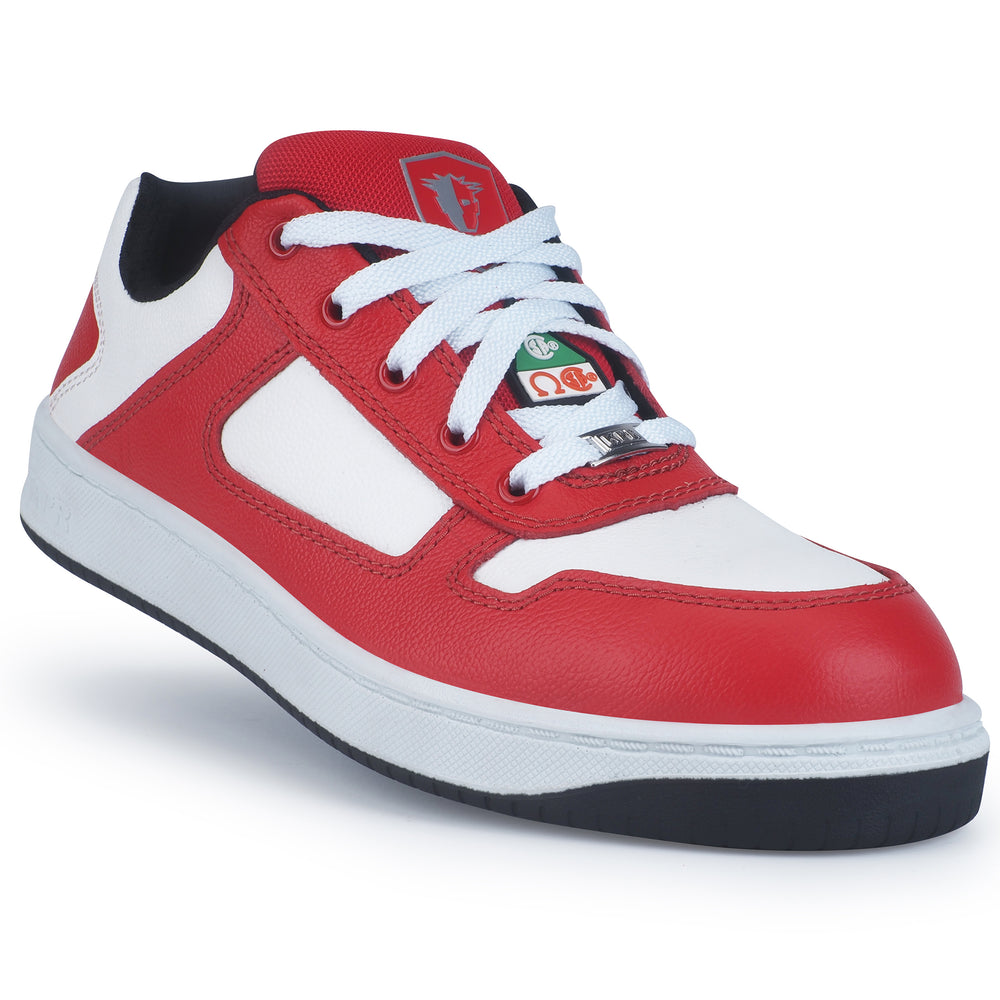
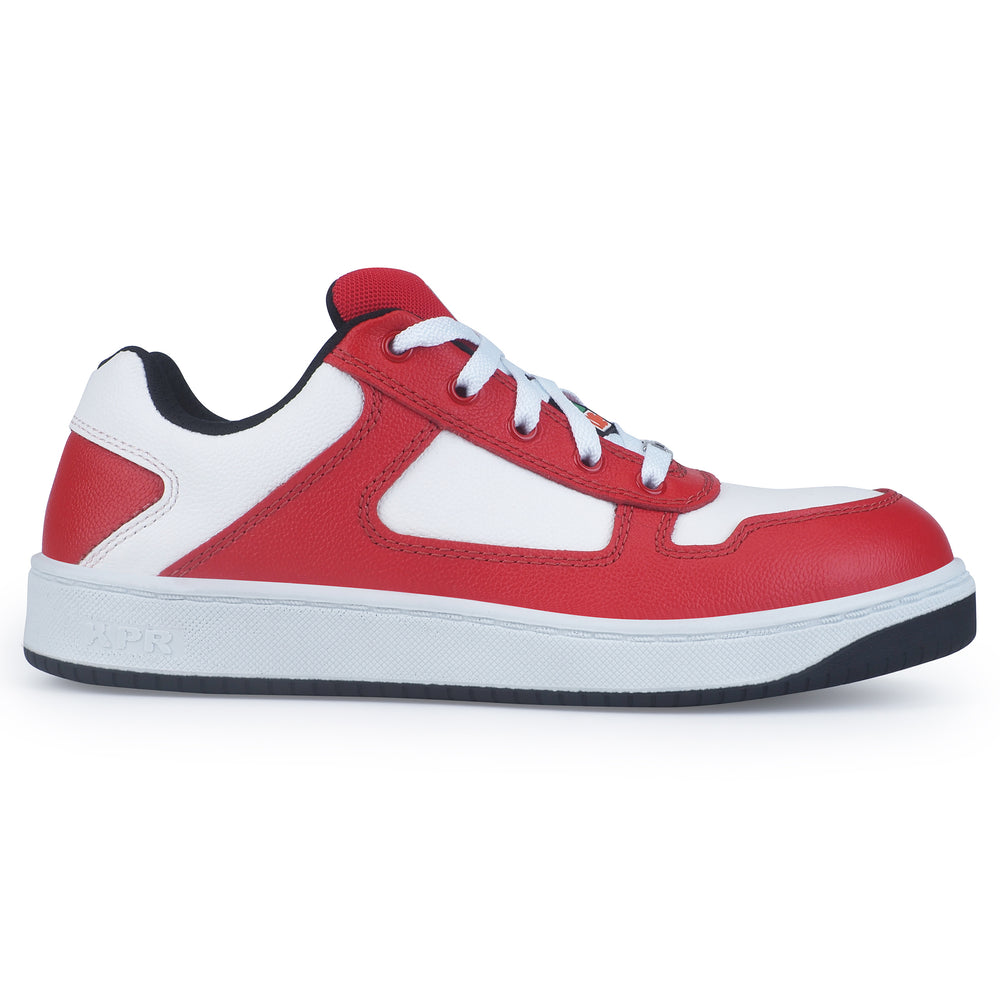
Recommended KPR footwear

Continue from the guide to the product.

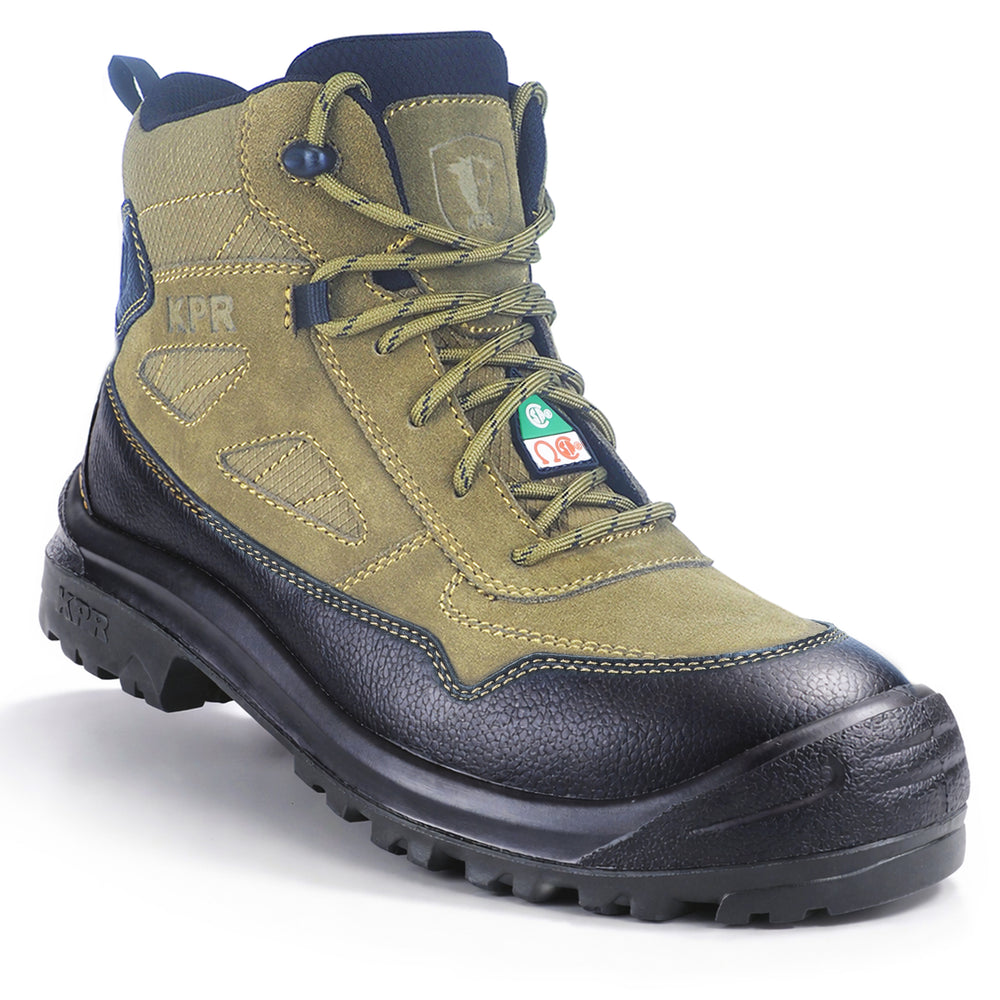
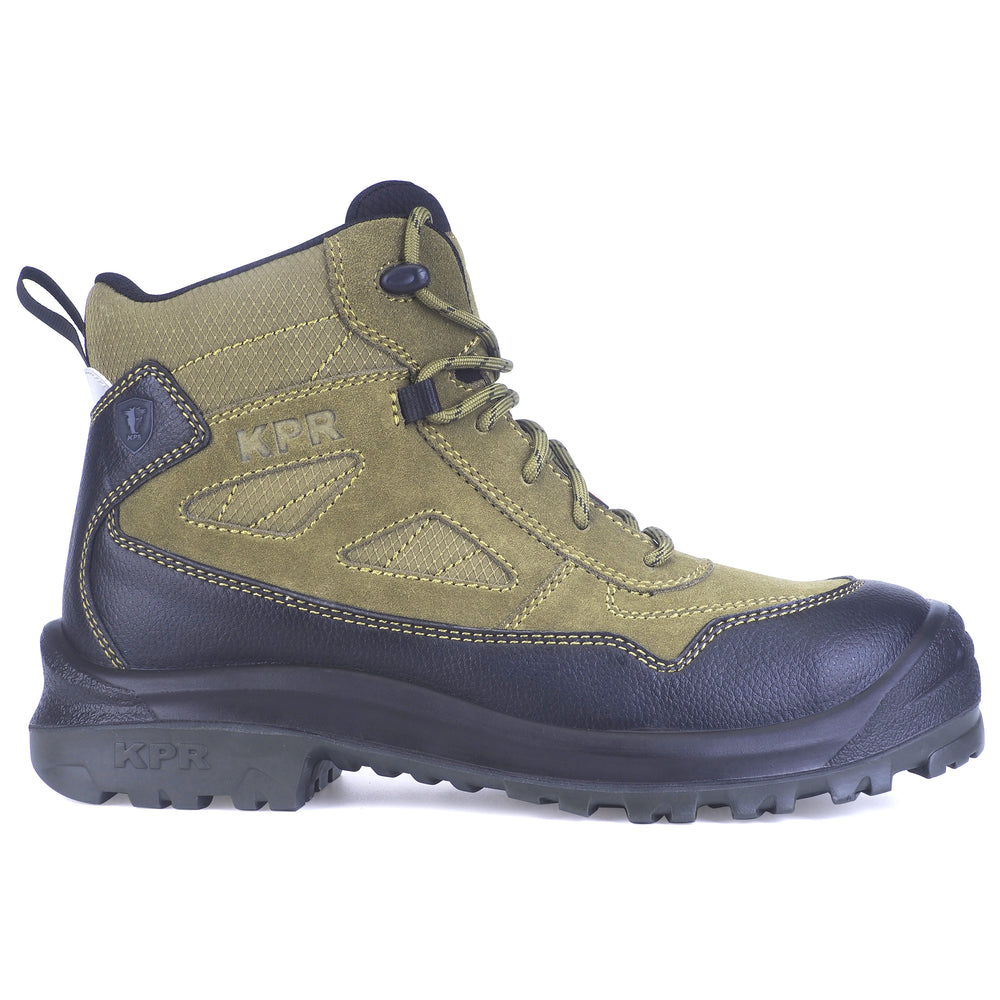
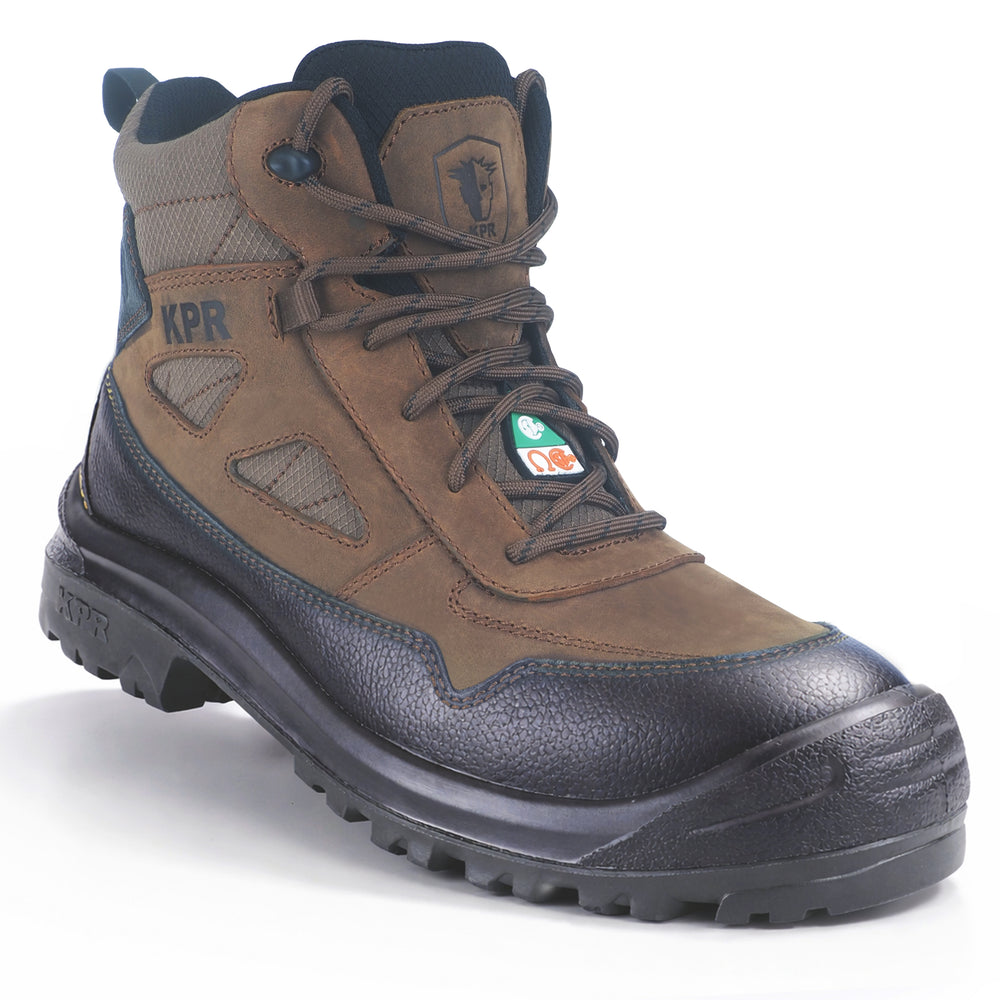
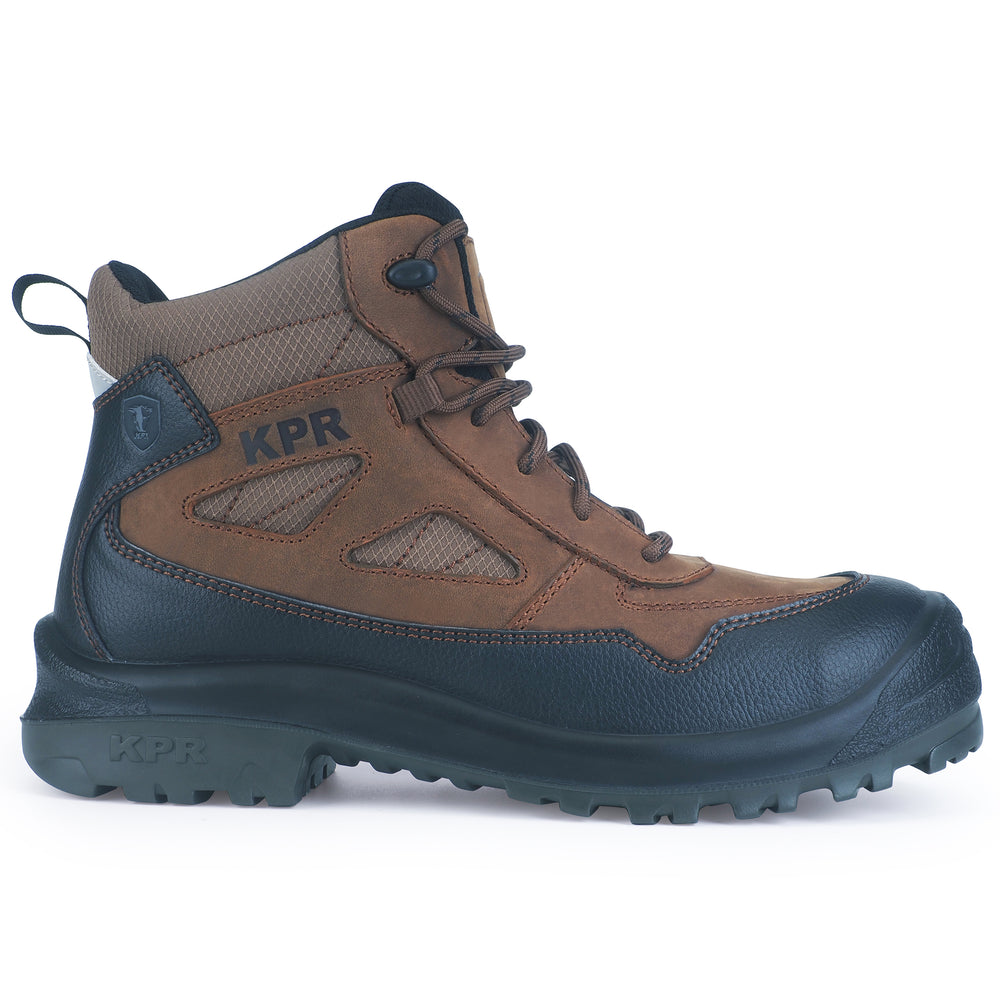
Use these products as a starting point, then confirm the exact specifications for your job.

Safety note: Workplace hazards and employer requirements vary. Product standards and protection markings are model-specific; confirm the exact product information required for your job.