

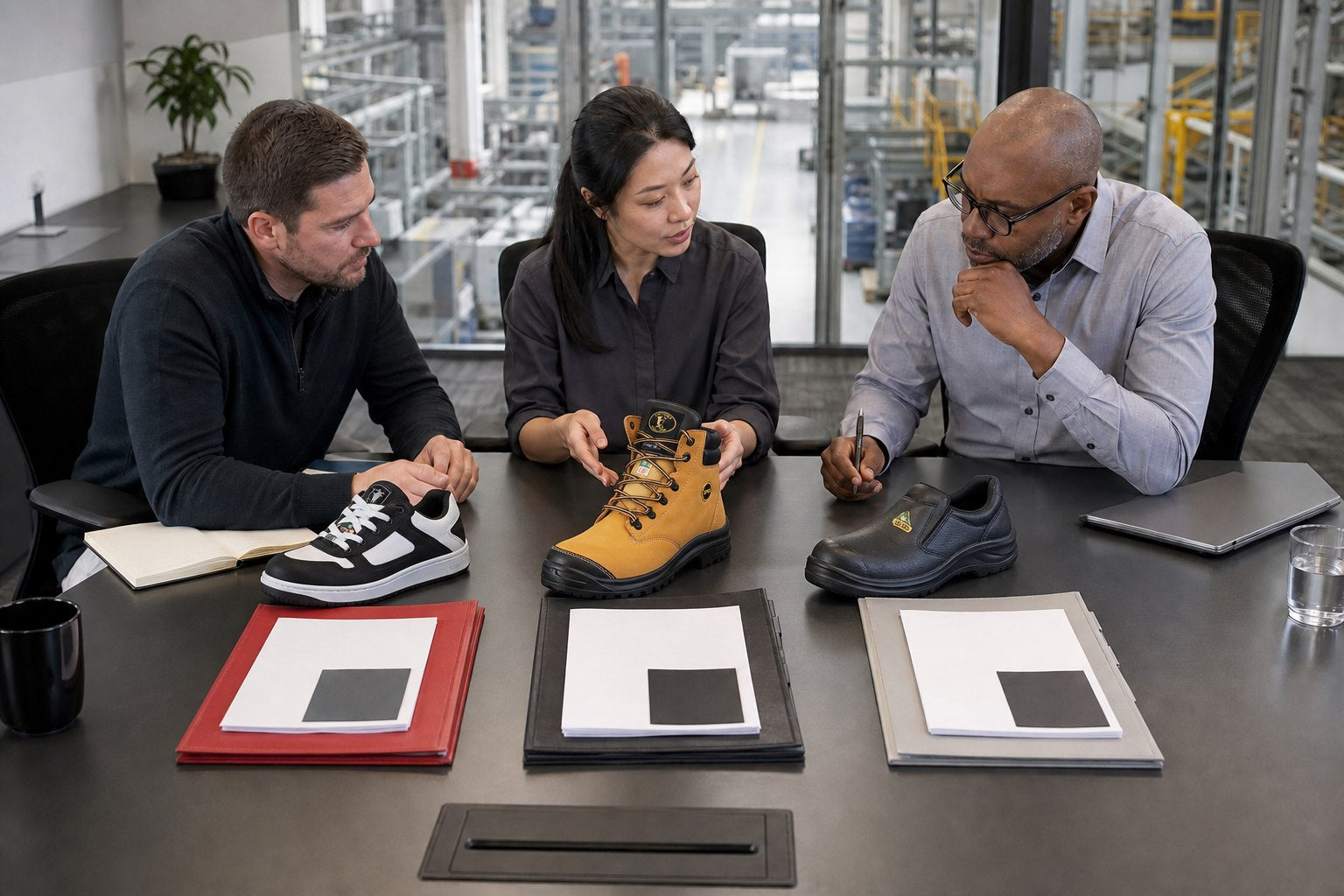
How to Compare Safety Footwear Standards by Region
Compare U.S. ASTM, Canadian CSA and European EN ISO terminology without treating separate systems as equivalents.
Read guideStart with the workplace, applicable jurisdiction and documented hazards, then verify protection, marking, fit and construction on the exact model. Browse complete English guides by standards, fit, work environment, care, construction and team purchasing.
Compare U.S. ASTM, Canadian CSA and European EN ISO terminology without treating separate systems as equivalents.
Read guide
Understand how every KPR model uses DESMA direct-injection construction and which materials still vary by model.
Read guide
Build a repeatable purchasing process around roles, hazards, fit trials, model evidence, delivery and replacement.
Read guideChoose the jurisdiction first, then read the complete marking on the exact model.

Complete the employer hazard assessment, evidence map and exact-model approval in one guide.
Read guide
Document the tasks, work areas and foot hazards before writing the footwear requirement.
Read guide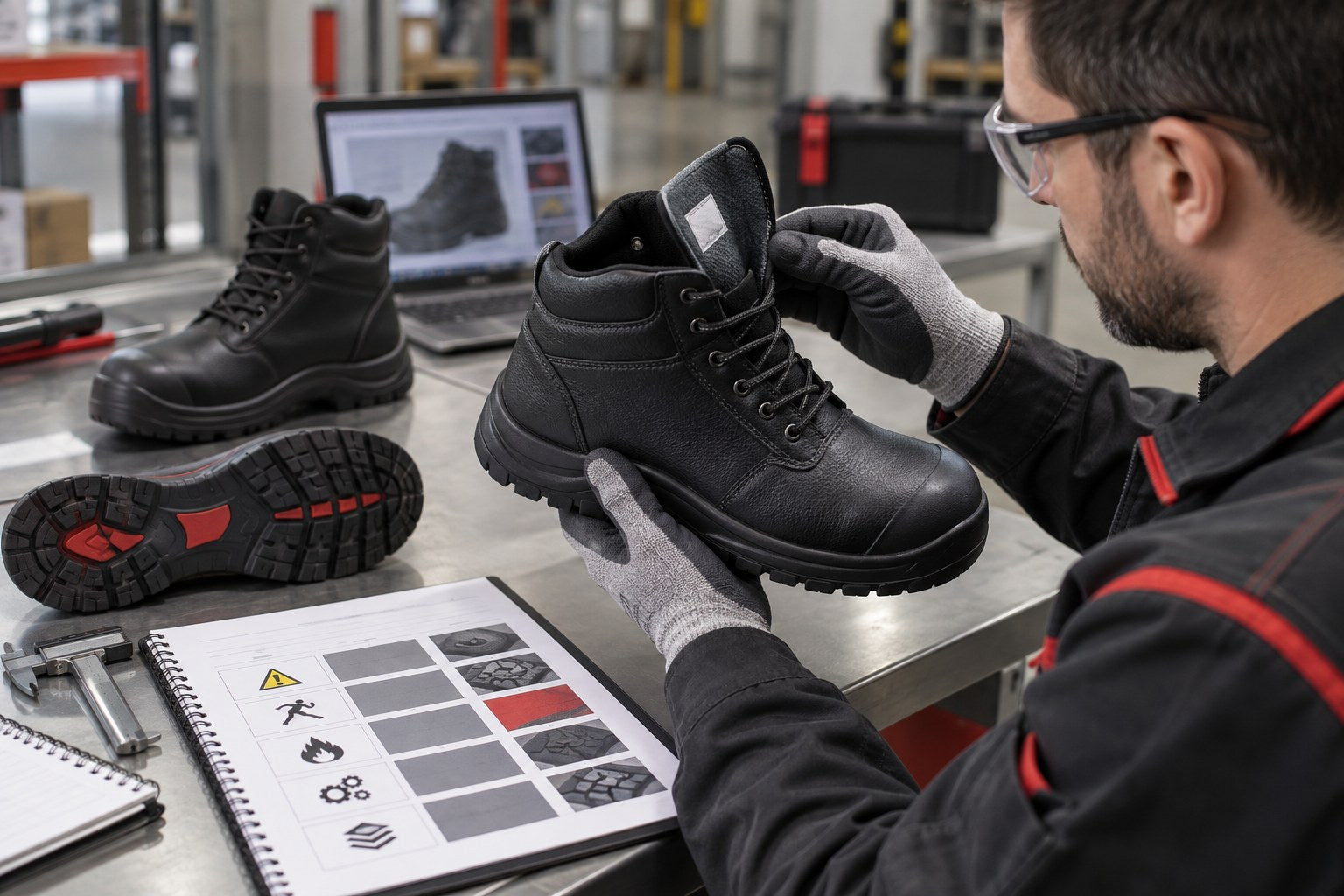
Turn each identified hazard into a specific exact-model marking or document check.
Read guide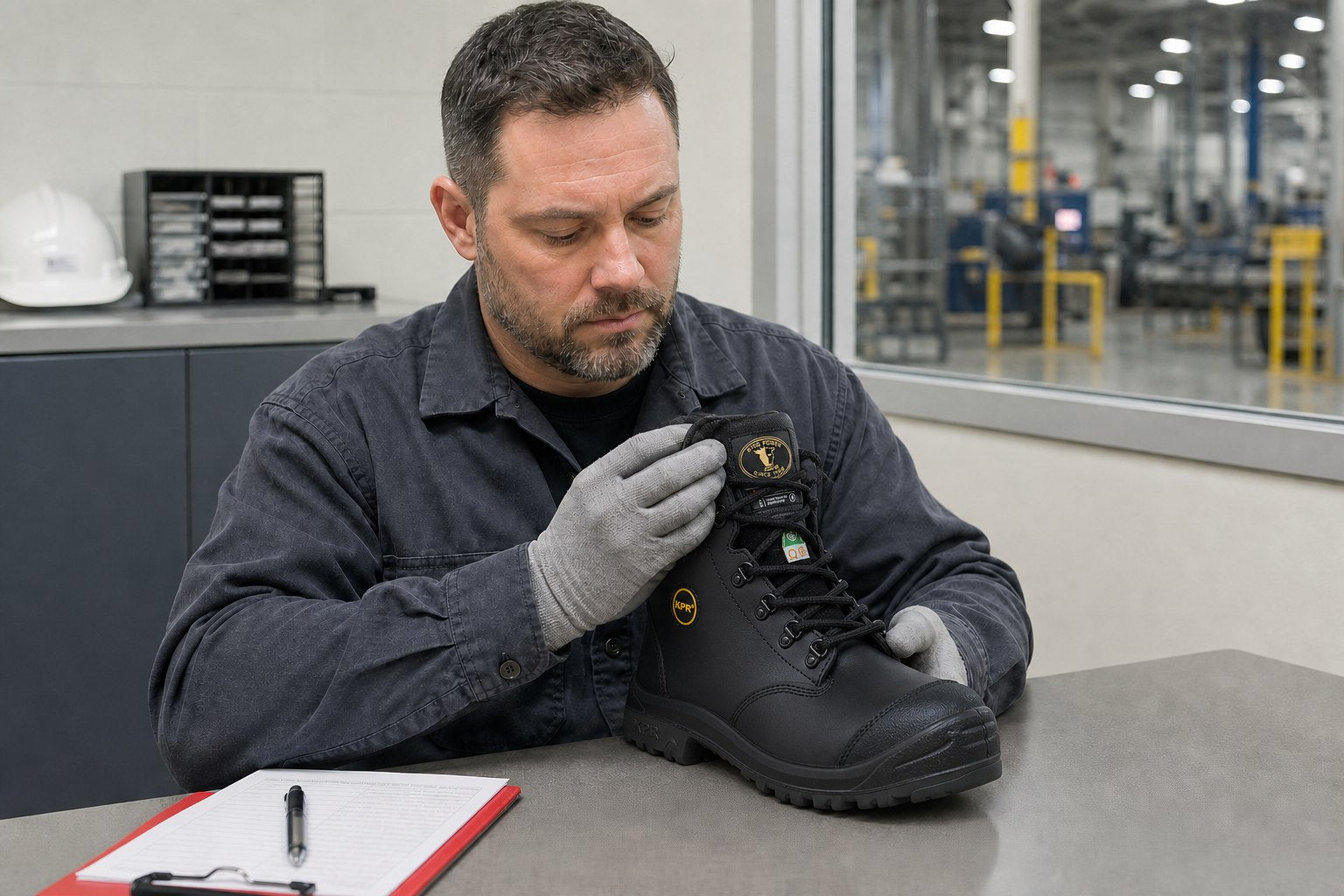
Use one complete page for the standards map, label codes and exact-model verification sequence.
Read guide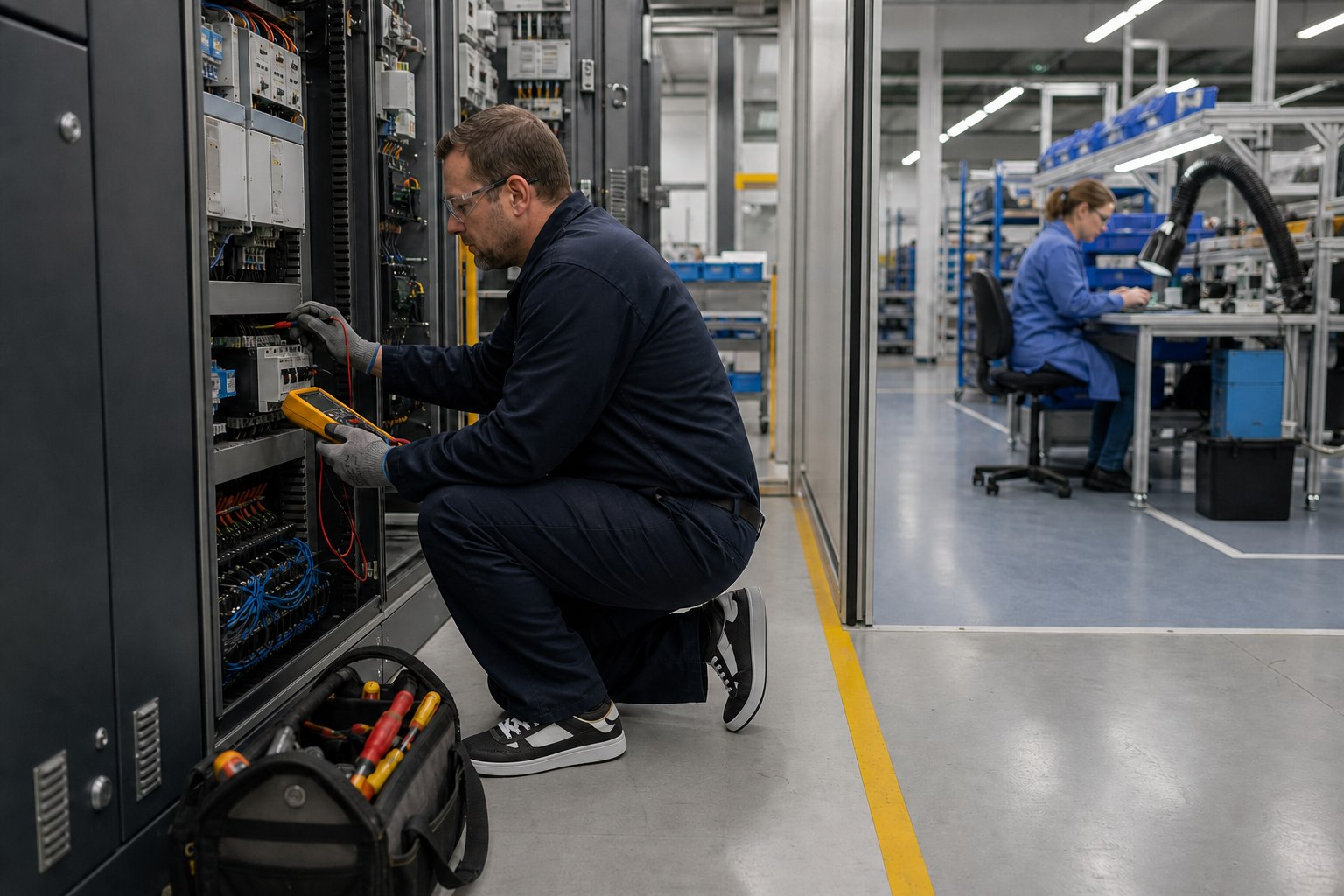
Compare shock protection and static control, then verify the model and workplace system in one guide.
Read guide
Read all nine symbol references, protection families and the complete exact-pair verification sequence on one page.
Read guide
Understand classification language, edition checks and exact-product documentation boundaries.
Read guide
Use a jurisdiction-first method without implying equivalence between ASTM, CSA and EN ISO systems.
Read guideMove from measurement to fit checks, break-in and long-shift comfort.

Measure both feet, compare the exact model and confirm length, width, heel hold and toe room.
Read guide
Use practical checkpoints for toe room, width, heel movement, socks and end-of-shift comfort.
Read guide
Increase wear time gradually while checking pressure, heel movement and task-specific comfort.
Read guide
Compare fit, weight, cushioning, task pattern and model construction for extended daily wear.
Read guideStart with the real environment and tasks before narrowing the footwear shortlist.

Compare walking distance, smooth floors, material handling, docks and long-shift fit.
Read guide
Review impact, puncture, uneven-ground, climbing, weather and jobsite marking requirements.
Read guide
Map floor conditions, machinery zones, movement patterns and shift length before choosing.
Read guide
Separate electrical-hazard and static-control terminology before comparing an exact model.
Read guide
Compare soil, gravel, grass, pavement, wet areas, tools and changing conditions.
Read guide
Review driving, loading, docks, ramps, stairs and mixed indoor-outdoor routes.
Read guideClean, dry, inspect and replace footwear without making protection claims from appearance alone.

Remove debris, use suitable cleaning methods and dry footwear without damaging the upper.
Read guide
Dry and inspect footwear after wet work while preserving model-specific water-protection boundaries.
Read guide
Check the upper, sole, tread, protective components, closure and fit after damage or heavy wear.
Read guideUnderstand the footwear system without treating one material or feature as proof of every protection category.

See how toe protection, underfoot protection, outsole, upper, fit and construction work as a system.
Read guide
Compare material, weight and workplace considerations without assuming performance from material alone.
Read guide
Separate puncture-resistant underfoot protection from the protective toe and other outsole claims.
Read guide
Learn how every KPR product uses DESMA direct-injection while exact materials vary by model.
Read guideTranslate workplace requirements into a documented, repeatable B2B footwear program.
Plan roles, hazards, jurisdictions, fit trials, model evidence, rollout and replacement.
Read guide
Review team purchasing support, model comparison, order planning and business enquiries.
Read guide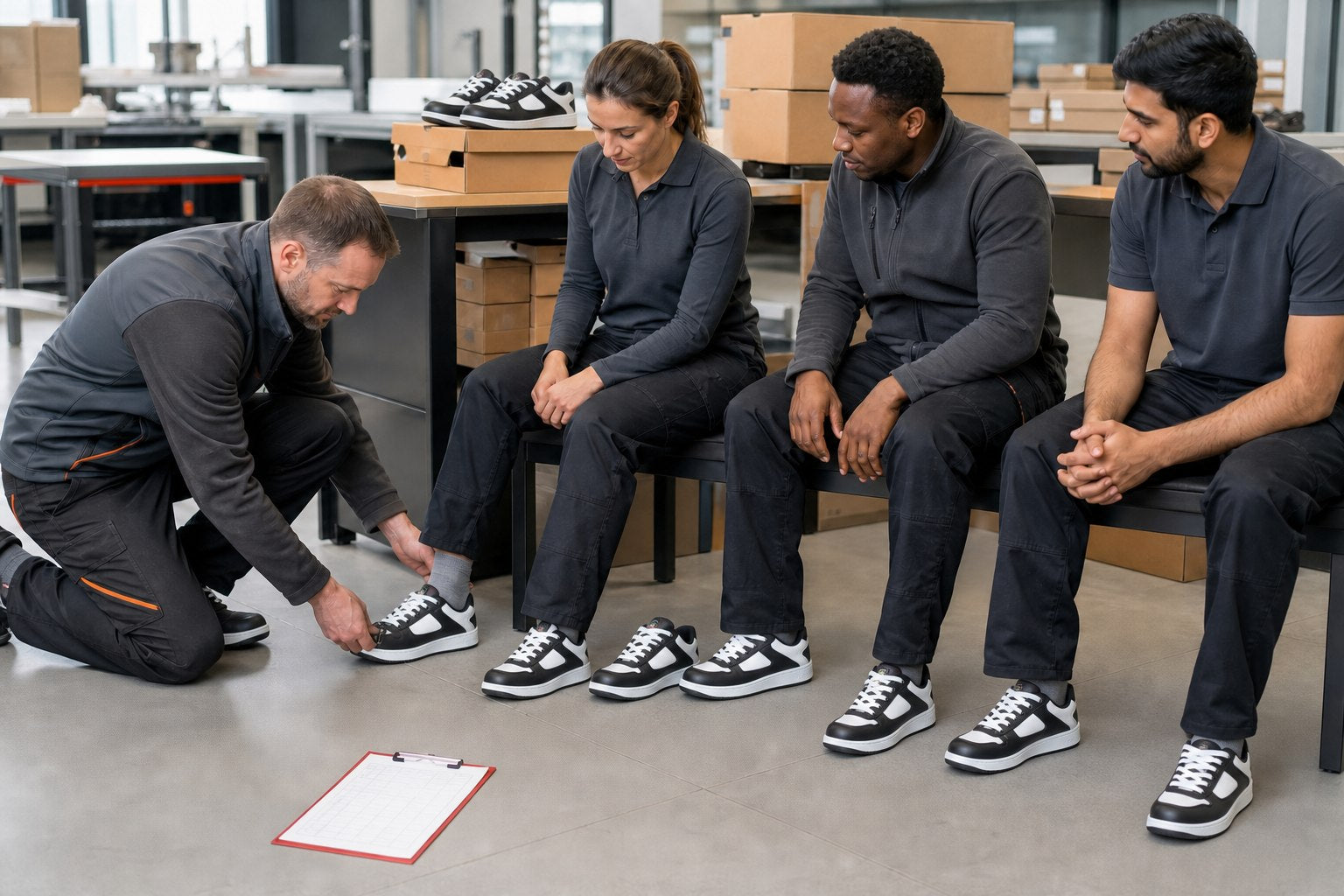
Build a measured roster, run an exact-model fit trial and plan exchanges before the workforce order.
Read guide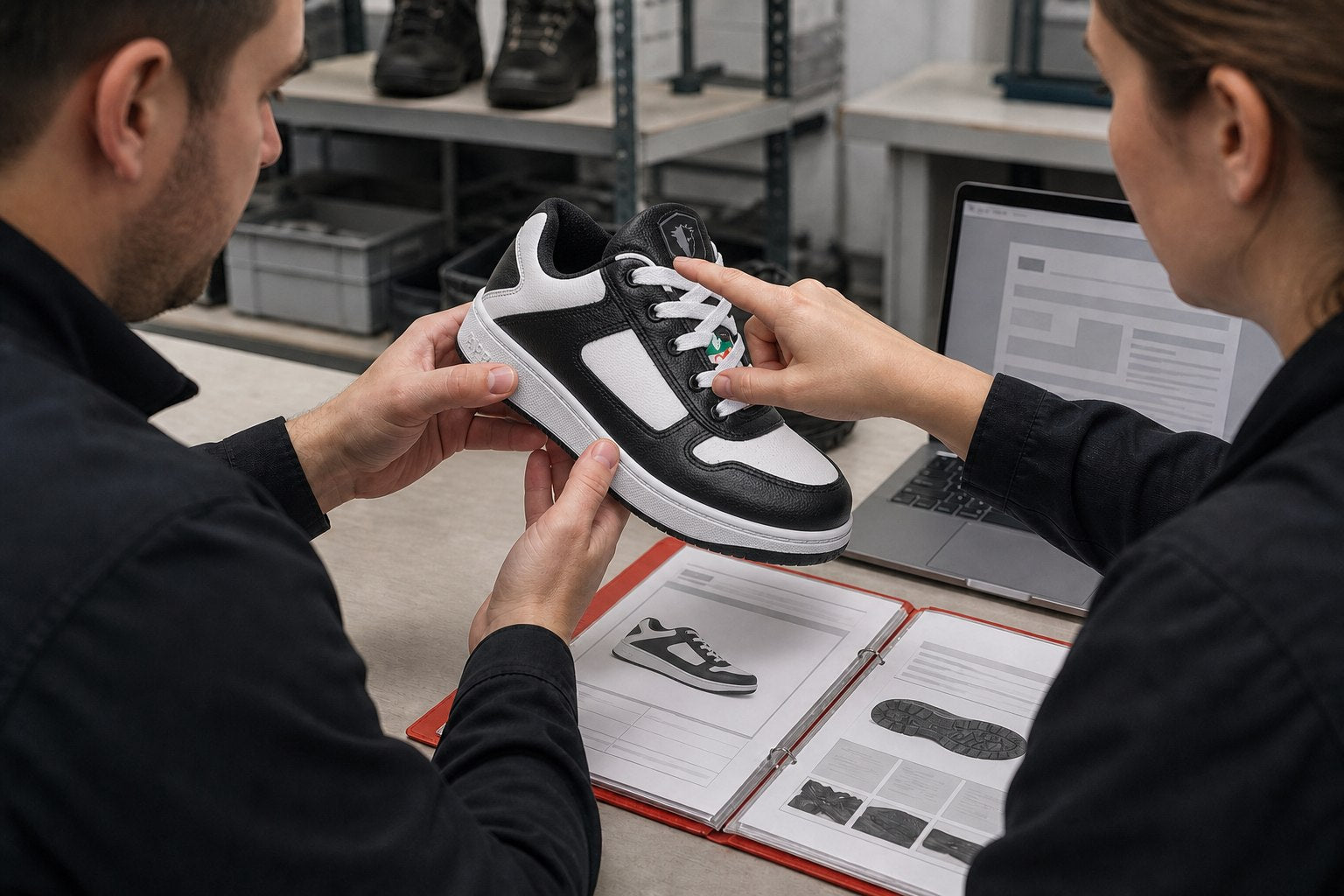
Prepare an exact-model request, verify the regional marking and send all required details on one page.
Read guideKPR educational content separates workplace requirements, regional terminology and product-level evidence. It does not replace the employer hazard assessment, local rules or the complete documentation for the exact model.
Ask KPR about an exact model