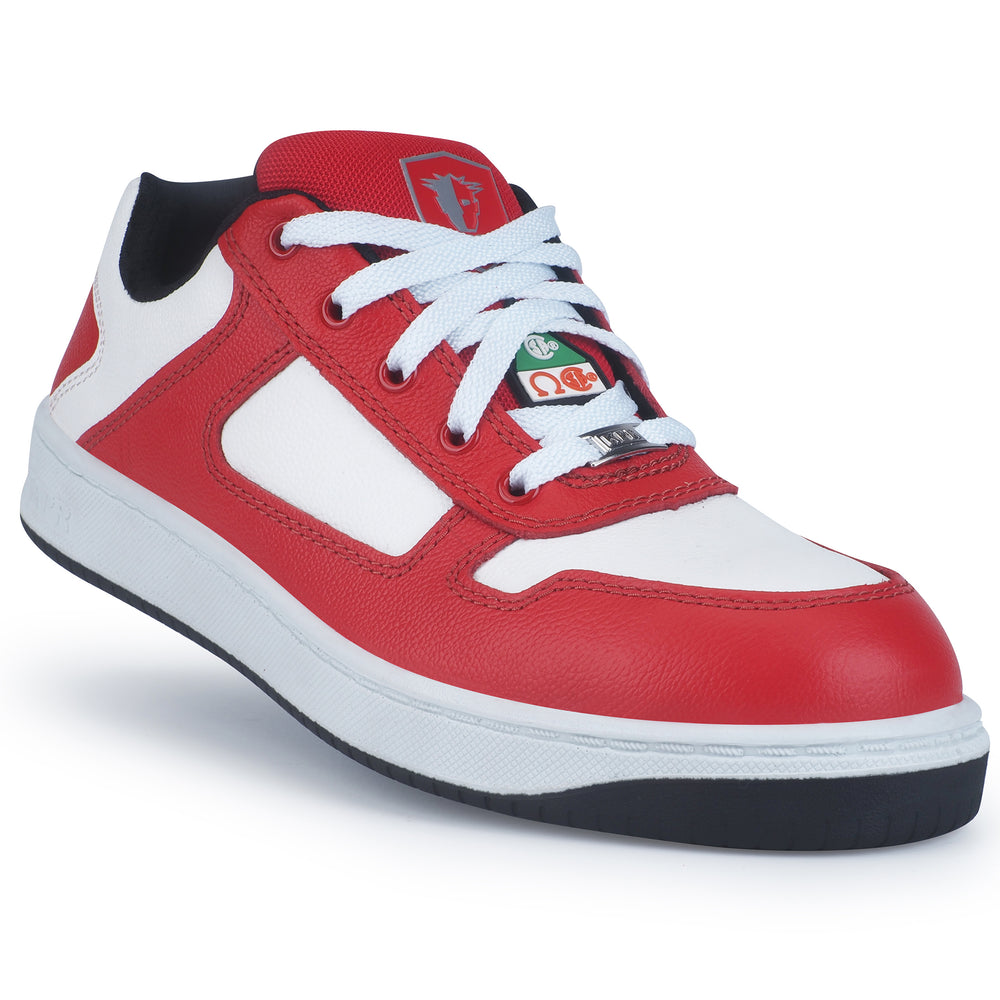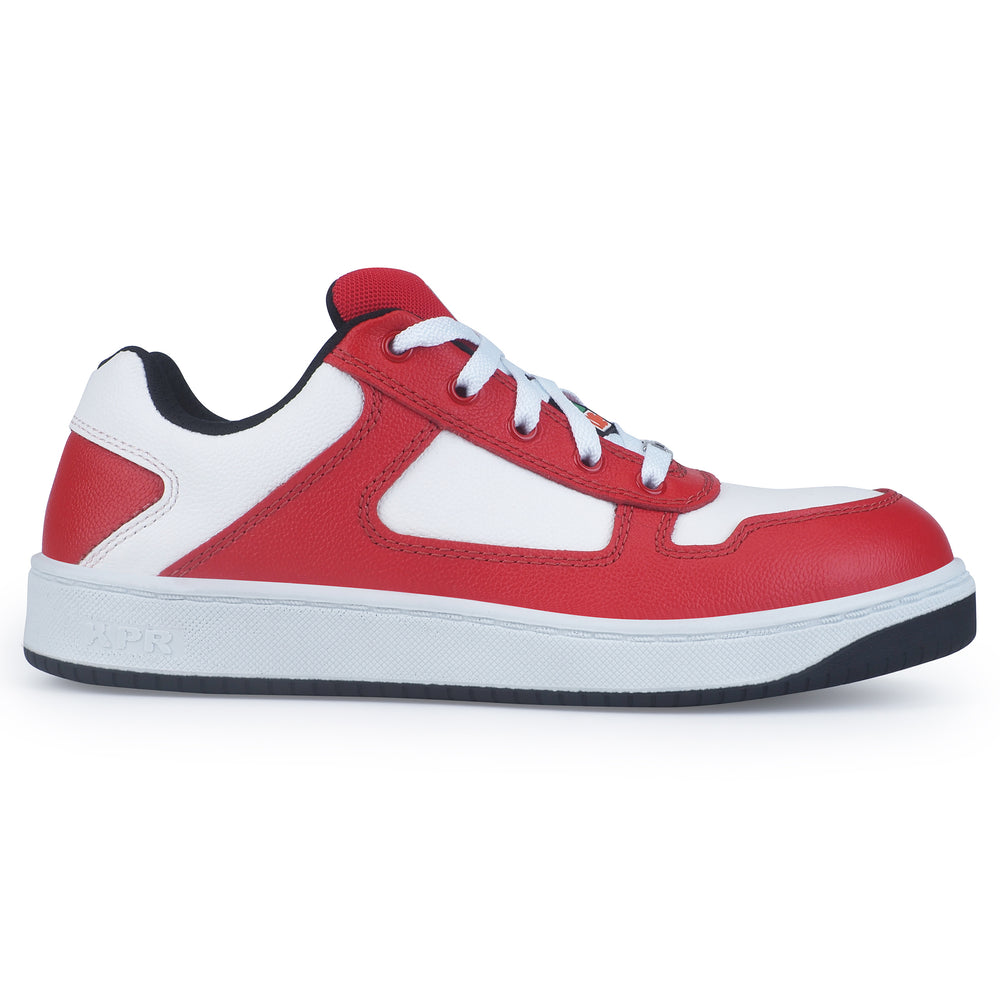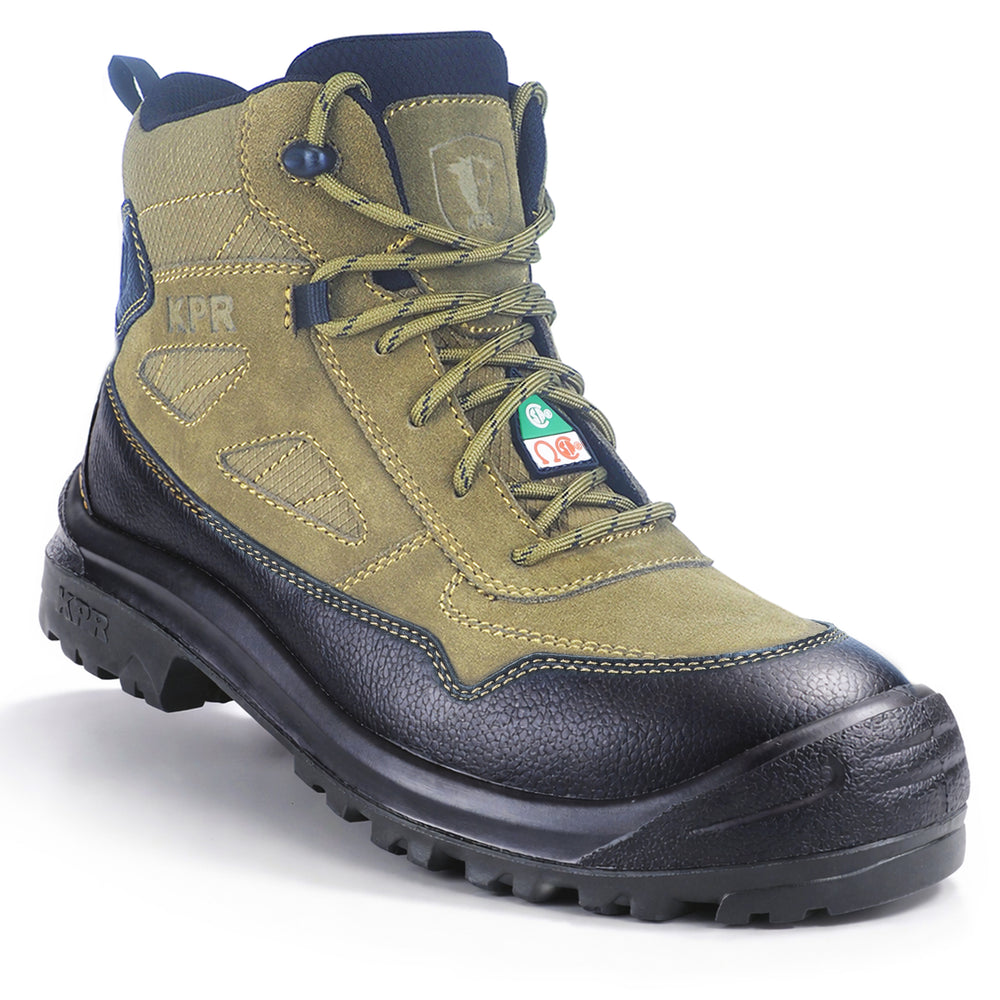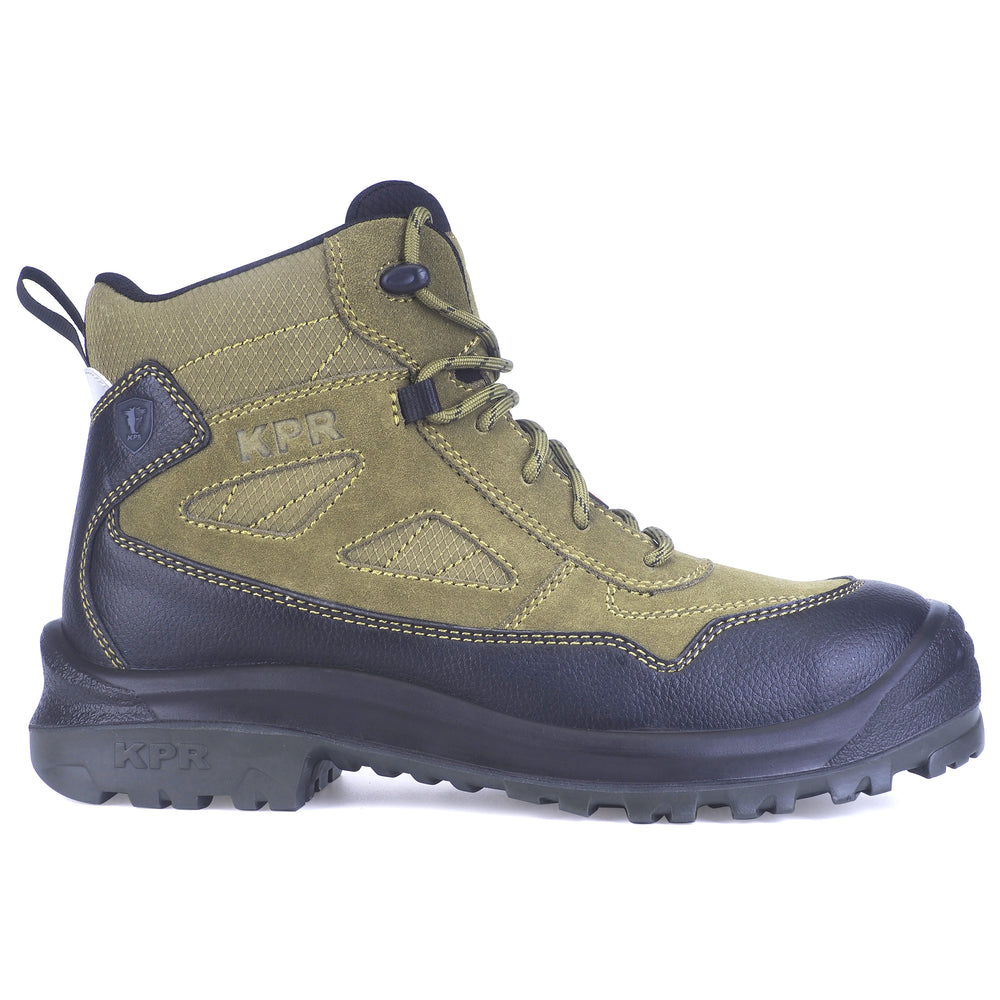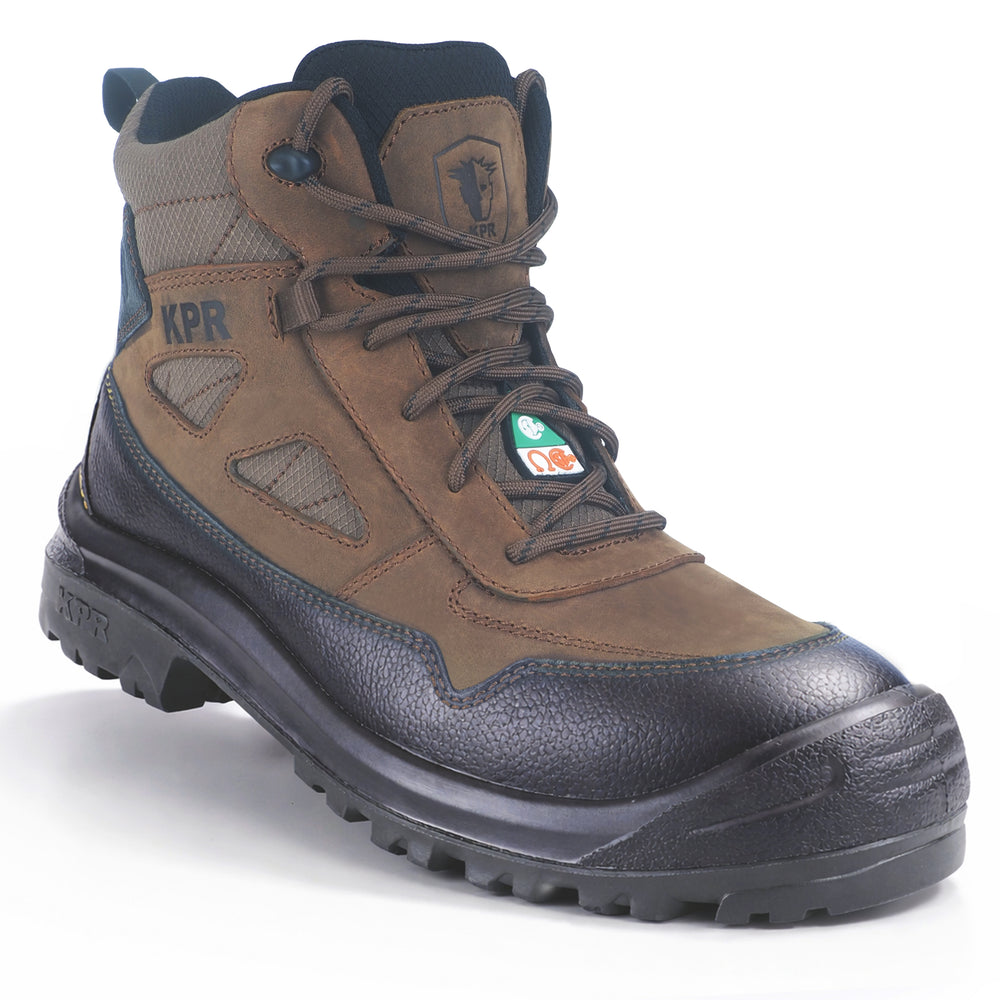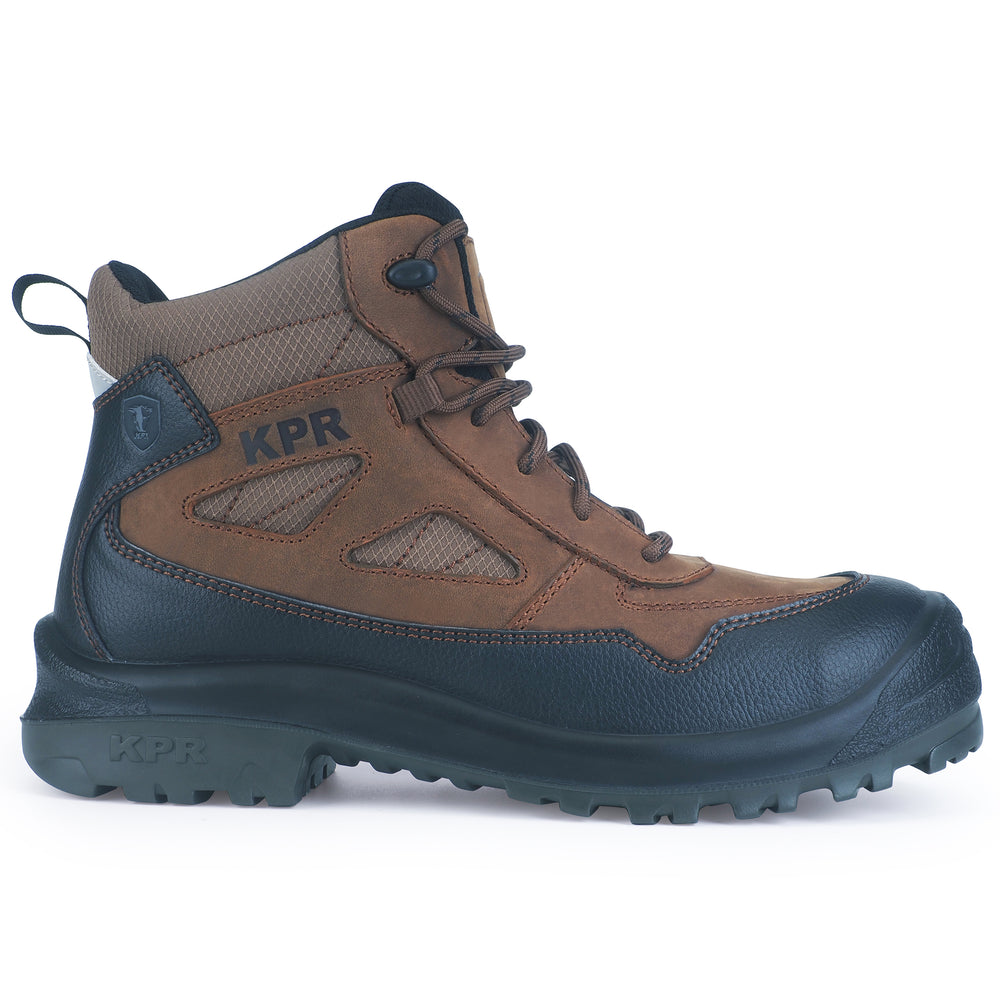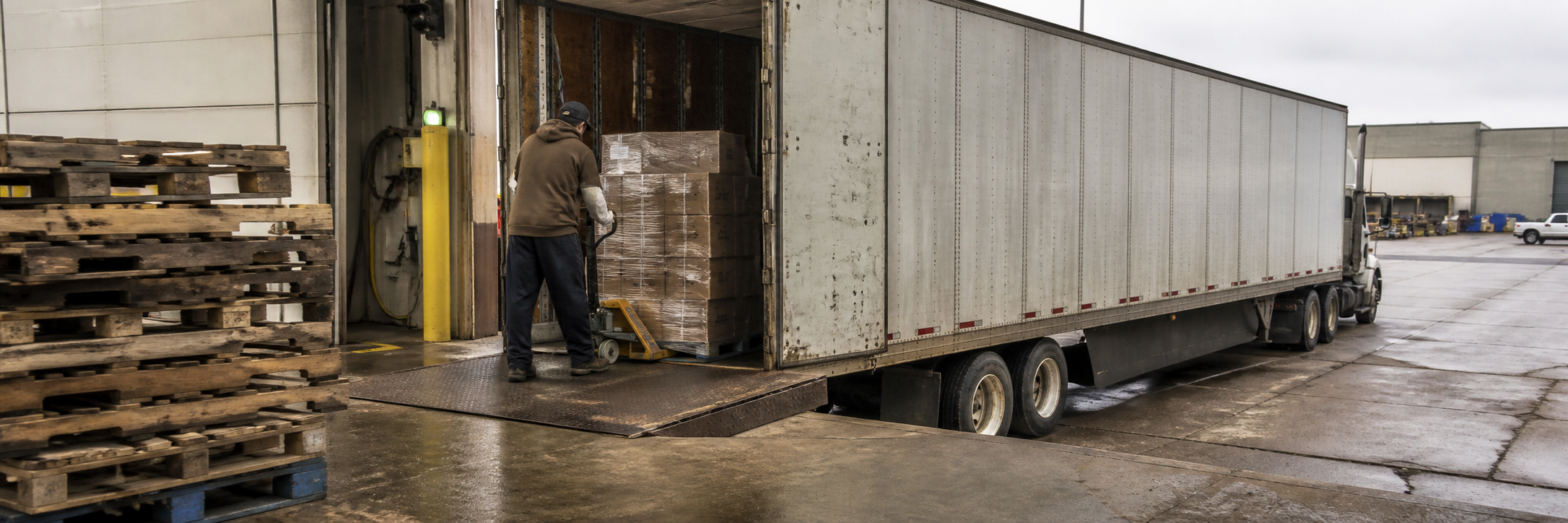
Select for the whole route, not only the vehicle
Transportation and delivery work combines pedal use, repeated vehicle entry, docks, ramps, stairs, freight handling and outdoor walking. The footwear must satisfy the workplace protection requirement while remaining stable and functional across the complete route.
Document the route
- Time spent driving compared with walking and loading.
- Required toe or puncture protection around freight and docks.
- Indoor, outdoor, wet, smooth or uneven surfaces.
- Weather exposure and the model's stated water protection.
- Repeated stairs, kneeling and vehicle entry.
Closure and heel control affect the route
Laces, pull-on designs, zippers and alternative closures change how the footwear is adjusted and removed. The closure should keep the heel controlled during stairs and ramps without creating pressure across the instep. Treat convenience as a fit factor, not as a safety certification.
Compare fit and movement
A secure heel helps control the foot during walking and vehicle entry. The forefoot needs enough width for the full shift, while excessive length can allow sliding. Test pedal movement in a safe stationary setting and walk on representative ramps and stairs.
Check the exact model record
Review toe, puncture, outsole, coverage, water, upper, closure and applicable marking information. A lightweight profile does not prove that a shoe lacks protection, and a tall boot does not prove that it meets the required standard.
Build a replacement routine
Drivers and delivery workers should inspect tread, sole separation, closures, upper damage and exposed protective components. Reassess footwear after a significant impact or penetration event and follow employer replacement rules.
Open the KPR transportation guide and compare the transportation footwear collection.