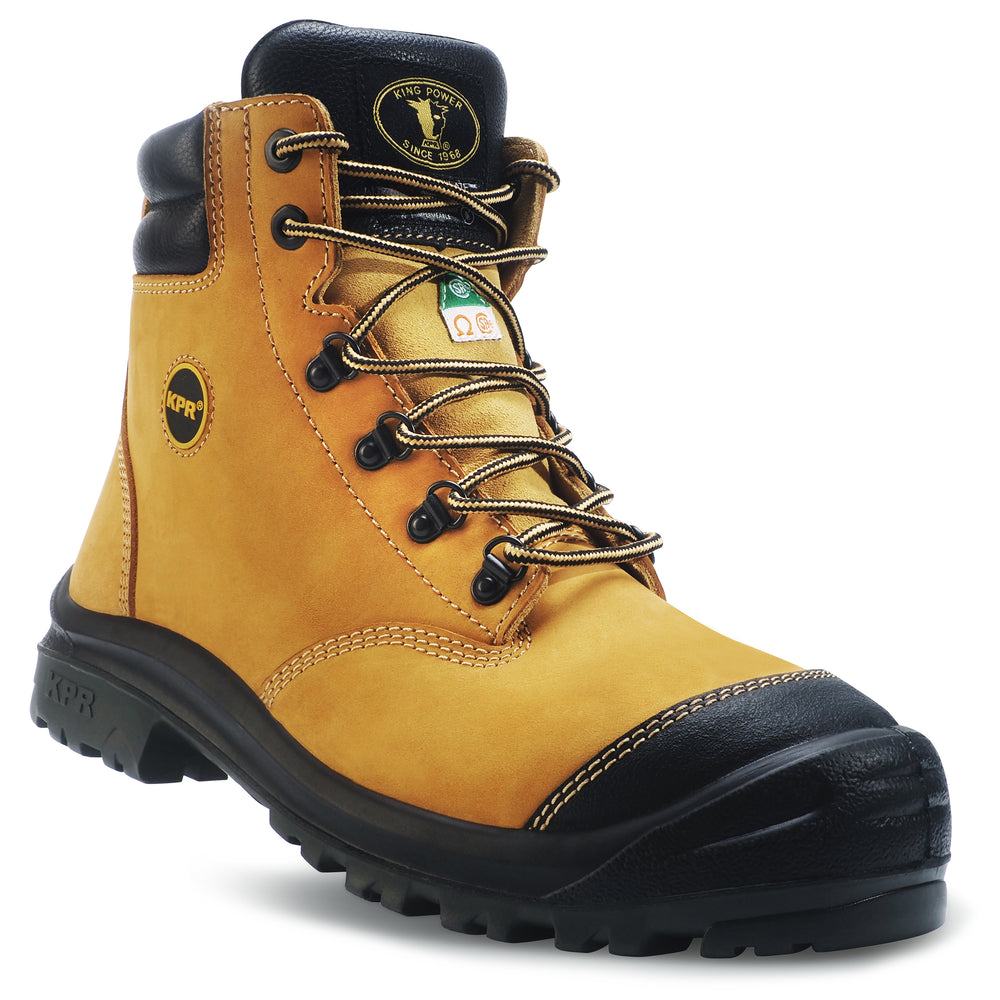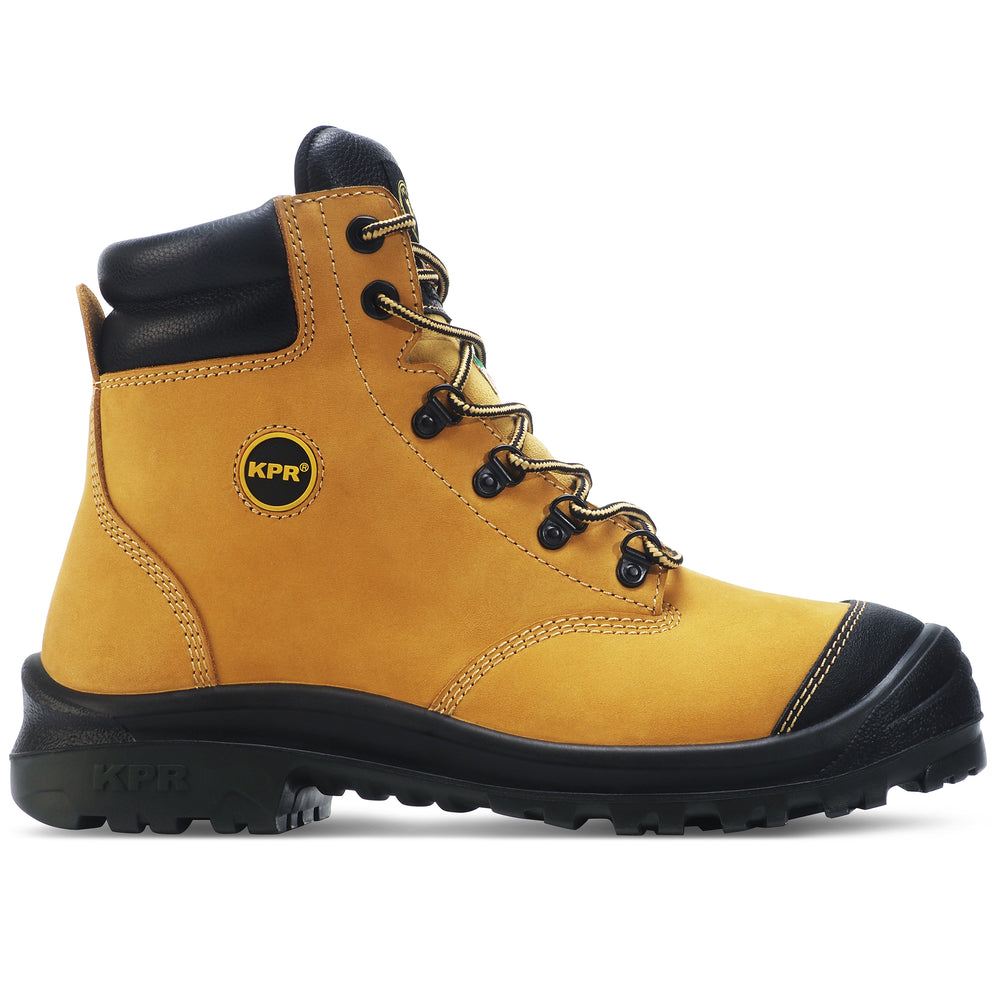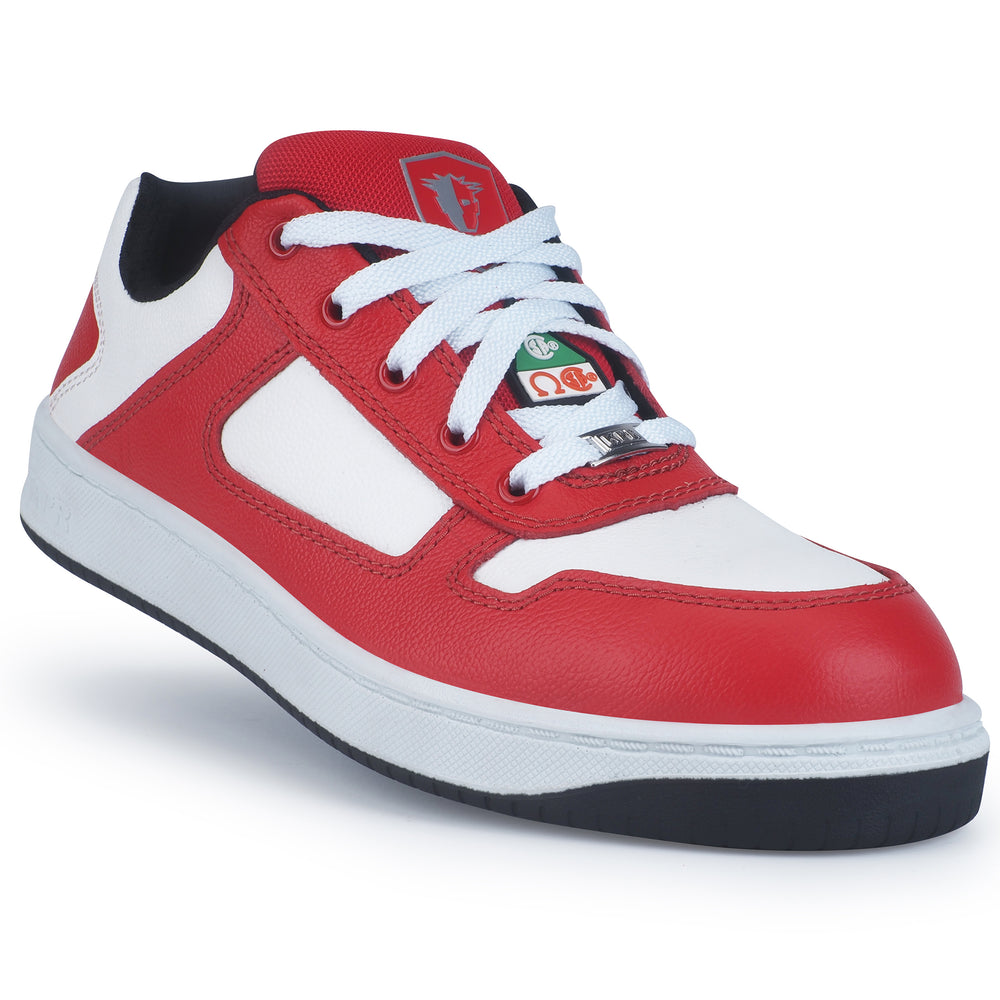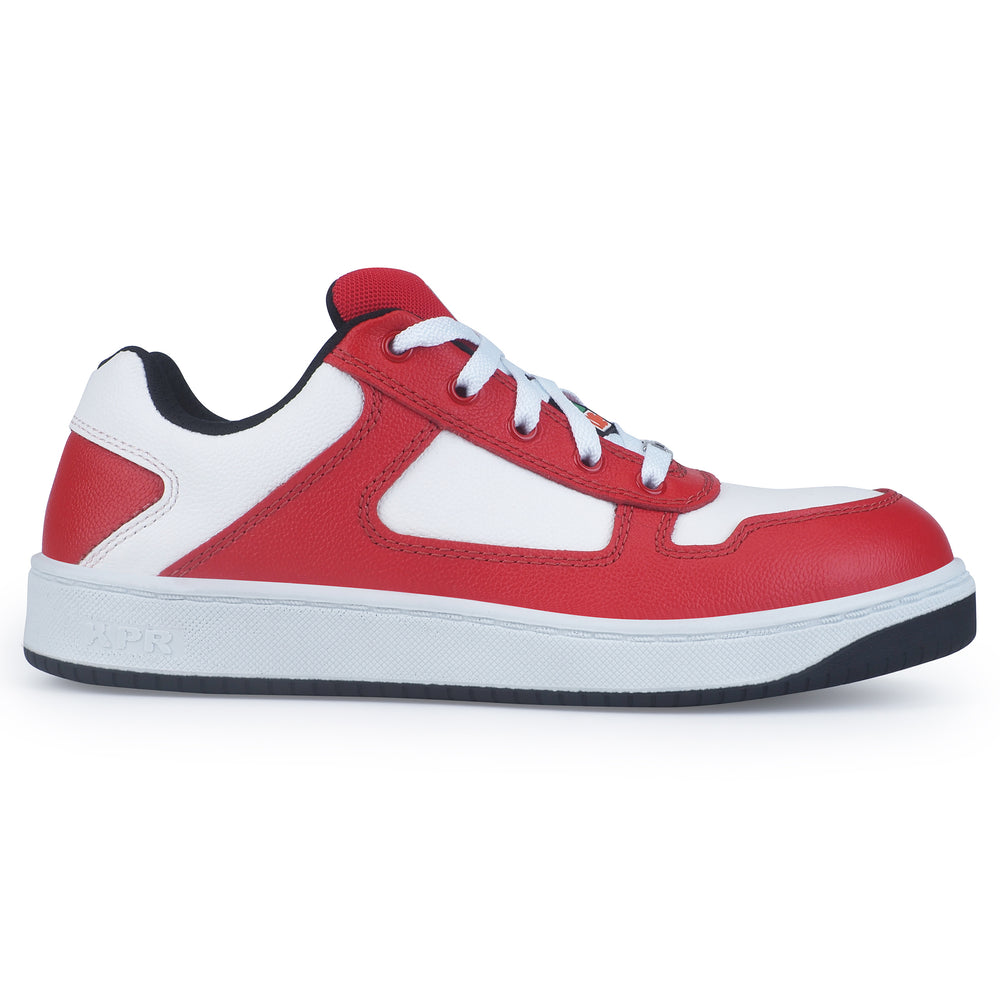
Follow the full outdoor route
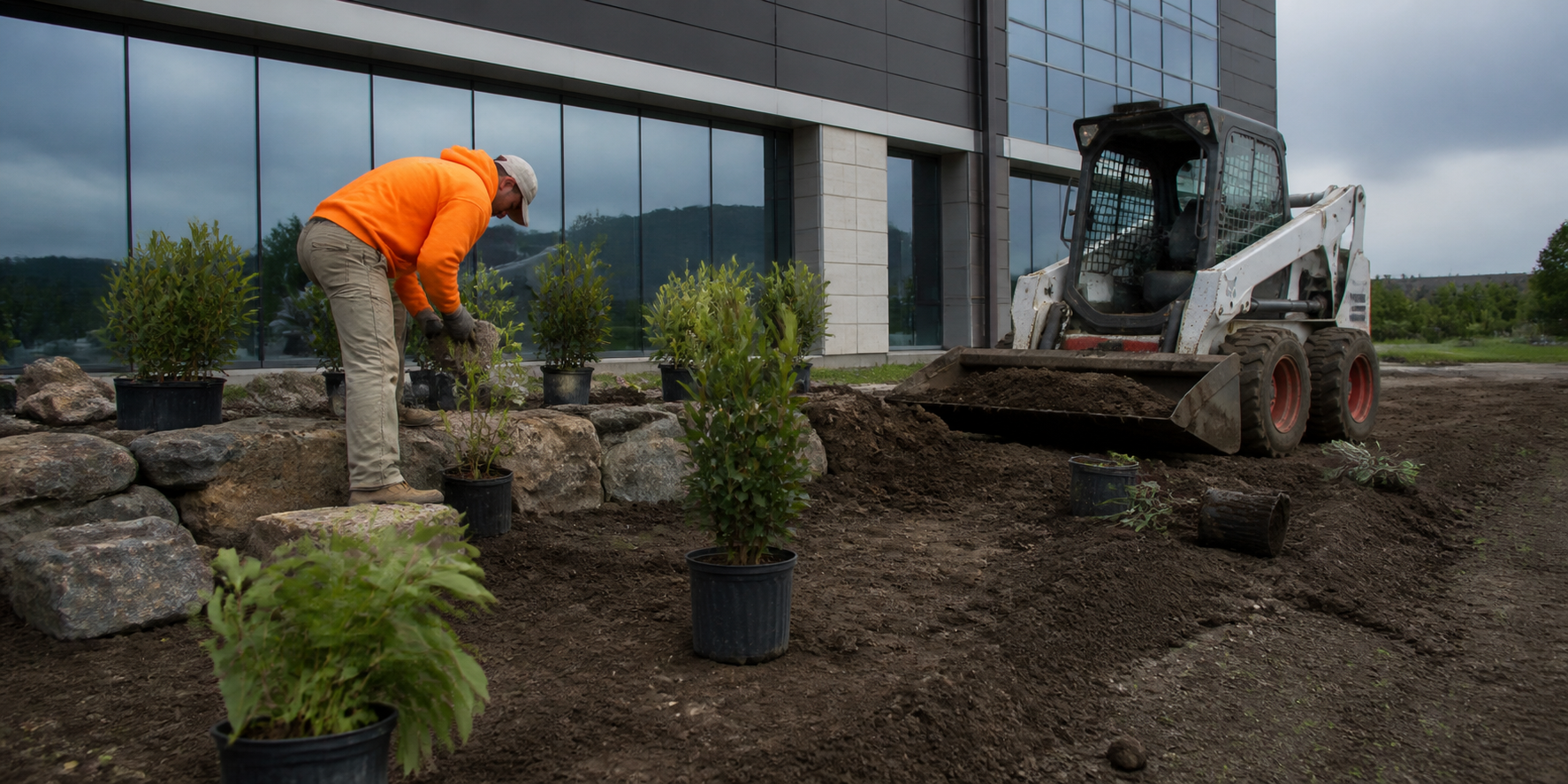
Outdoor and landscaping work can move from pavement to grass, soil, gravel, mud, slopes and wet areas in one shift. Choose footwear for the complete route, the tools used and the debris present, not for a single photograph of the job.
Separate the protection decisions
- Toe protection addresses impact and compression hazards.
- Puncture resistance addresses sharp objects entering through the sole.
- Water protection addresses moisture exposure within the stated model claim.
- Outsole and traction information addresses surfaces and contaminants.
- Coverage and closure affect debris entry, ankle area and fit.
One claim does not automatically prove another. Waterproof footwear is not automatically slip-resistant, and a deep tread pattern is not a substitute for model documentation.
Outsole material is only one part of traction
Rubber, PU, TPU and combined constructions can behave differently, but a material name alone does not predict performance. Tread geometry, compound, wear, contamination, temperature and the actual walking surface all matter. Use exact-model test information where available and keep the outsole clean and inspected.
Check weather and maintenance
Wet grass, mud and temperature changes can alter the work environment during the day. Inspect tread, seams, closures and upper condition. Clean debris without damaging the material, dry footwear away from strong direct heat and follow the exact model's care guidance.
Test fit on slopes and steps
Use normal socks and any orthotics. Walk uphill and downhill, step over curbs and simulate crouching. The heel should remain controlled, the forefoot should have enough width and the toes should not strike the front of the shoe.
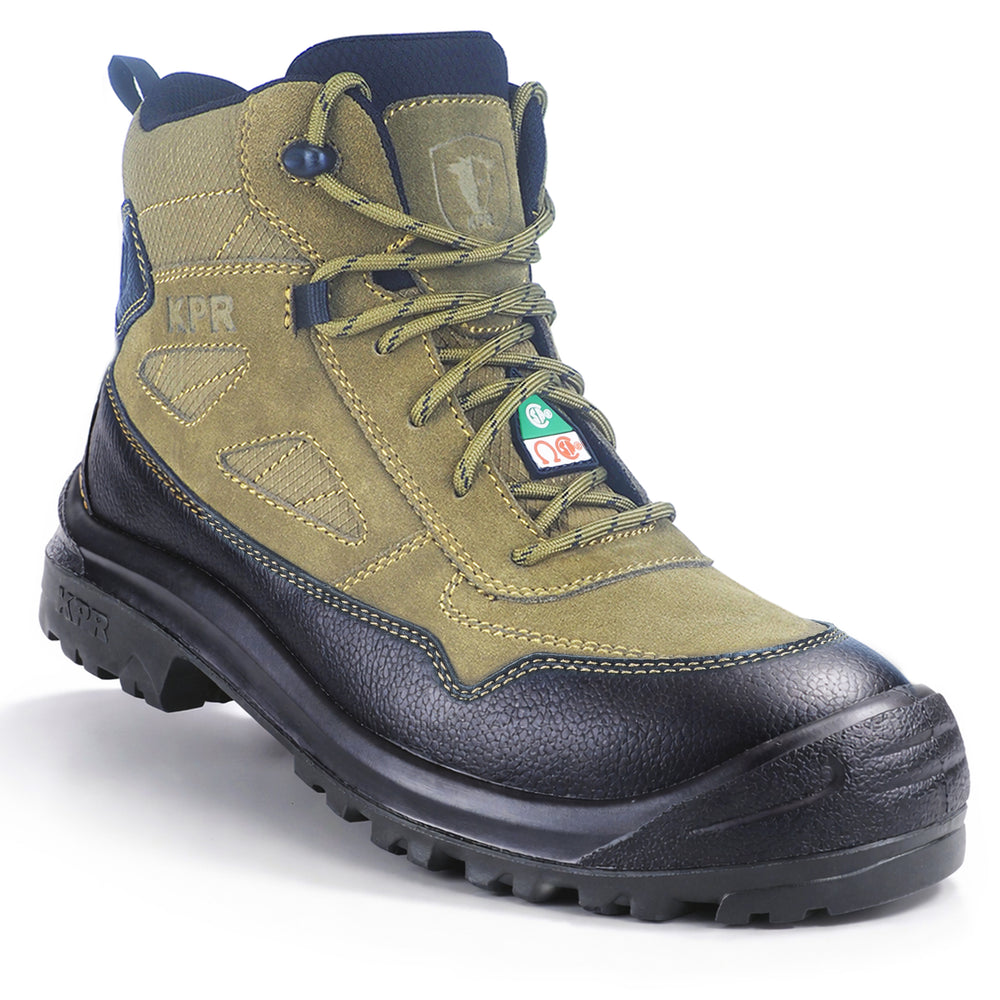
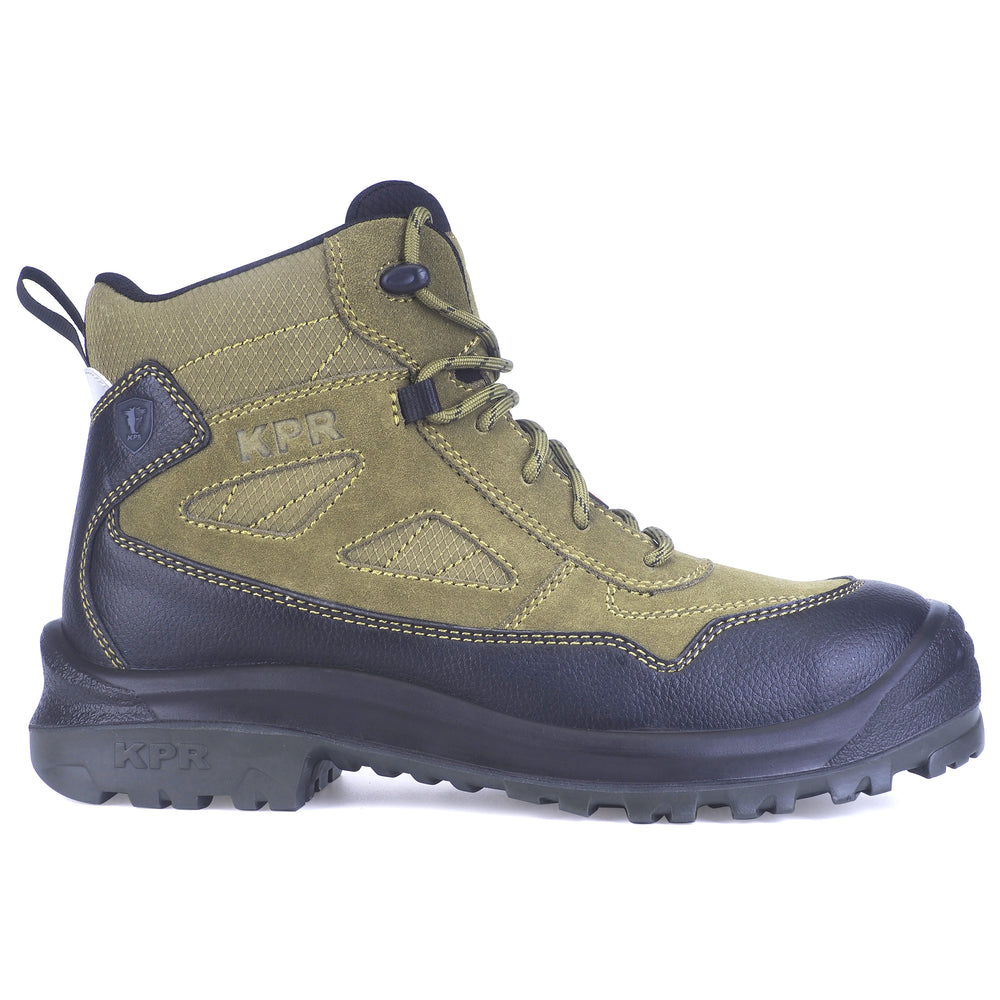
Use the KPR outdoor and landscaping guide, then compare the outdoor footwear collection by exact-model claims.