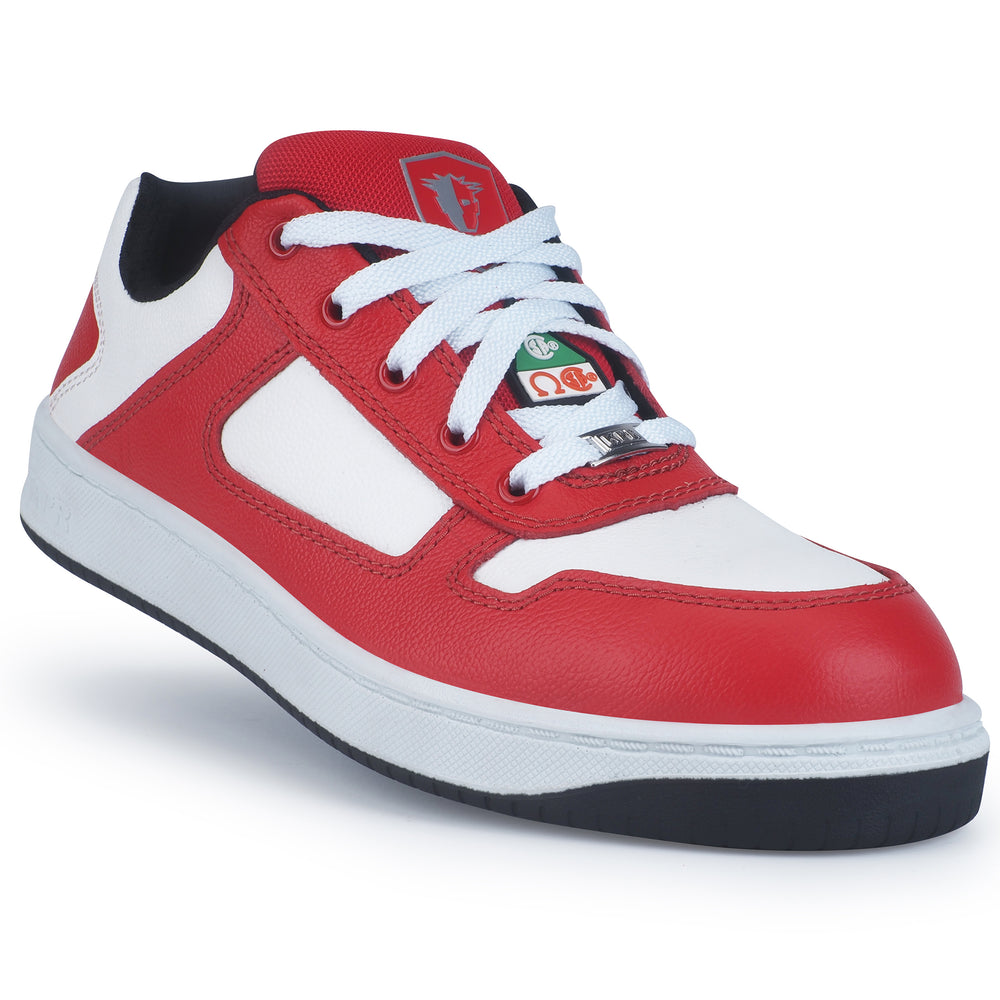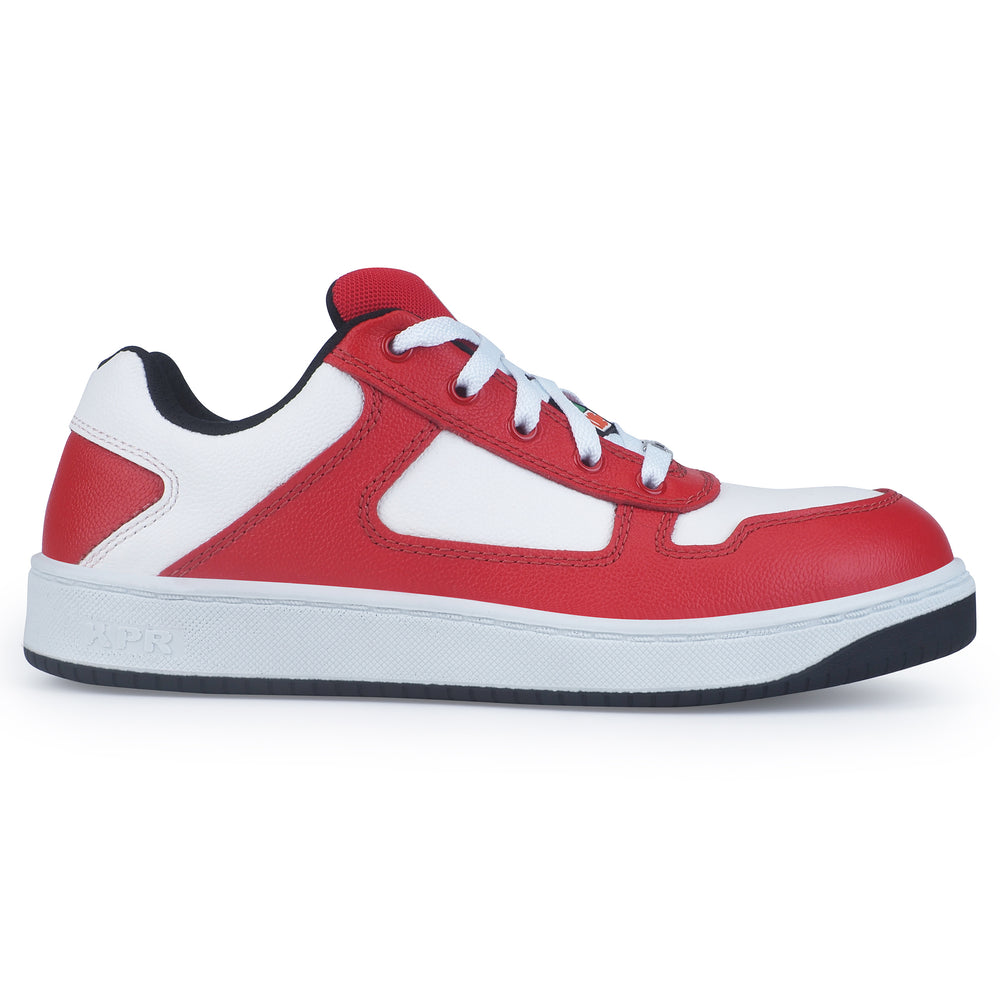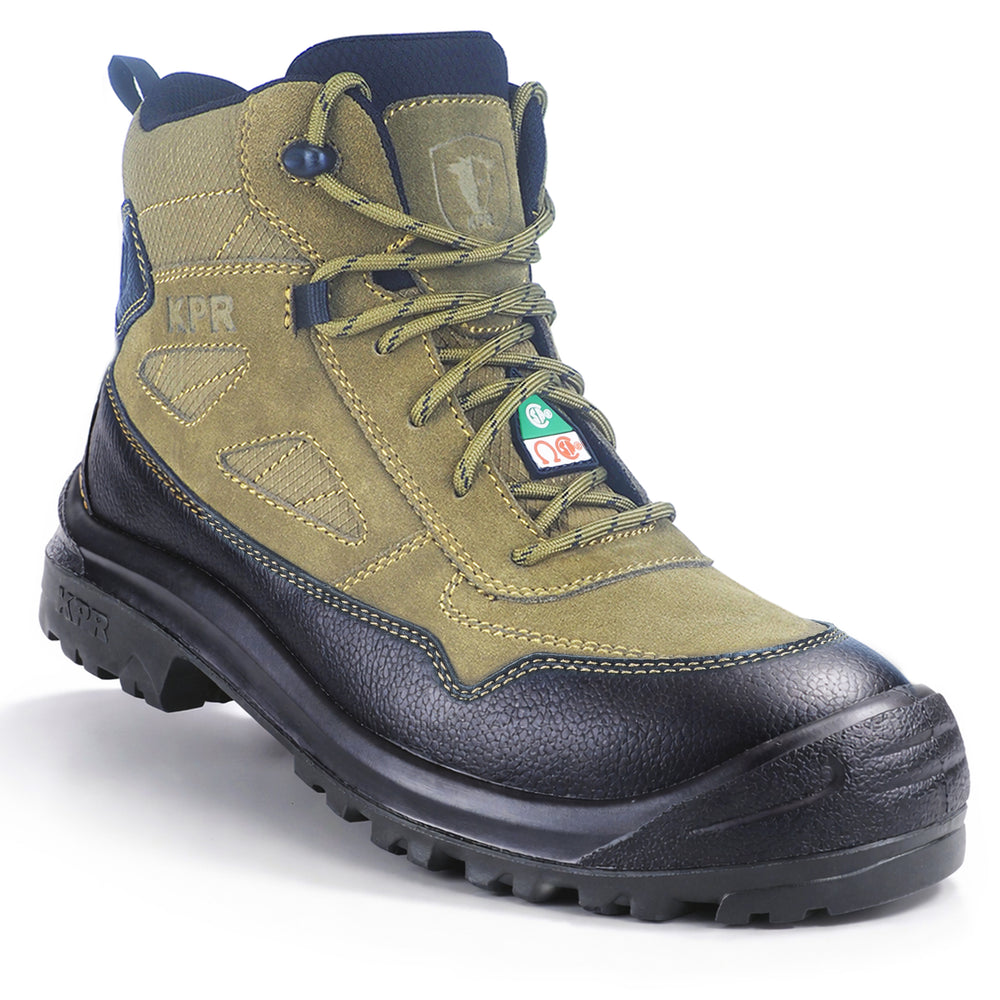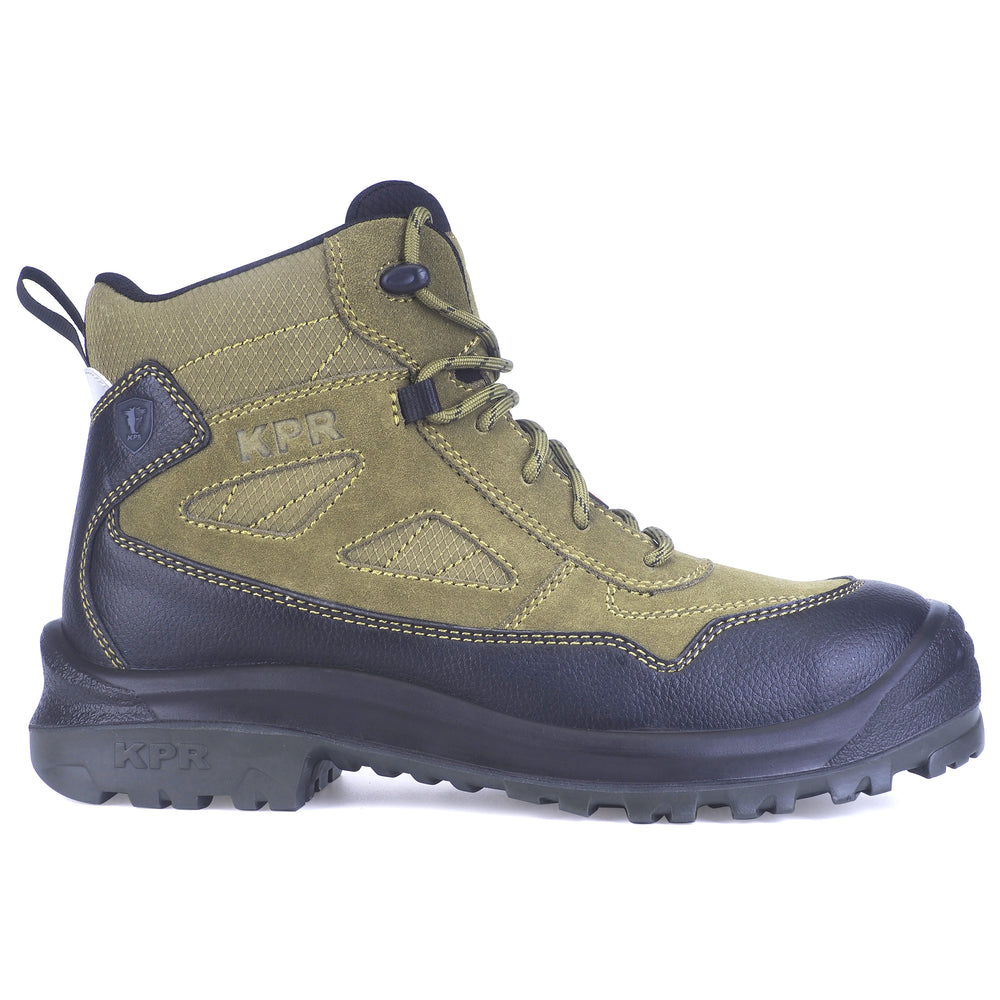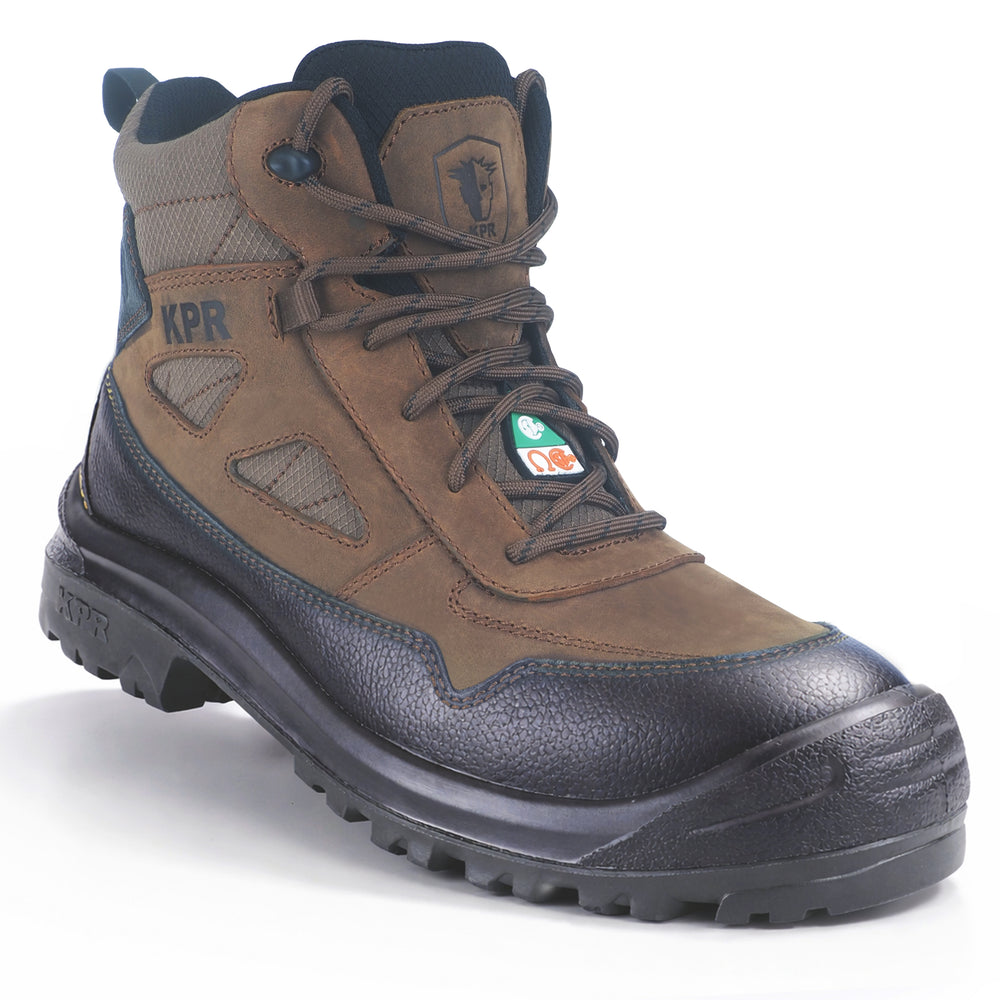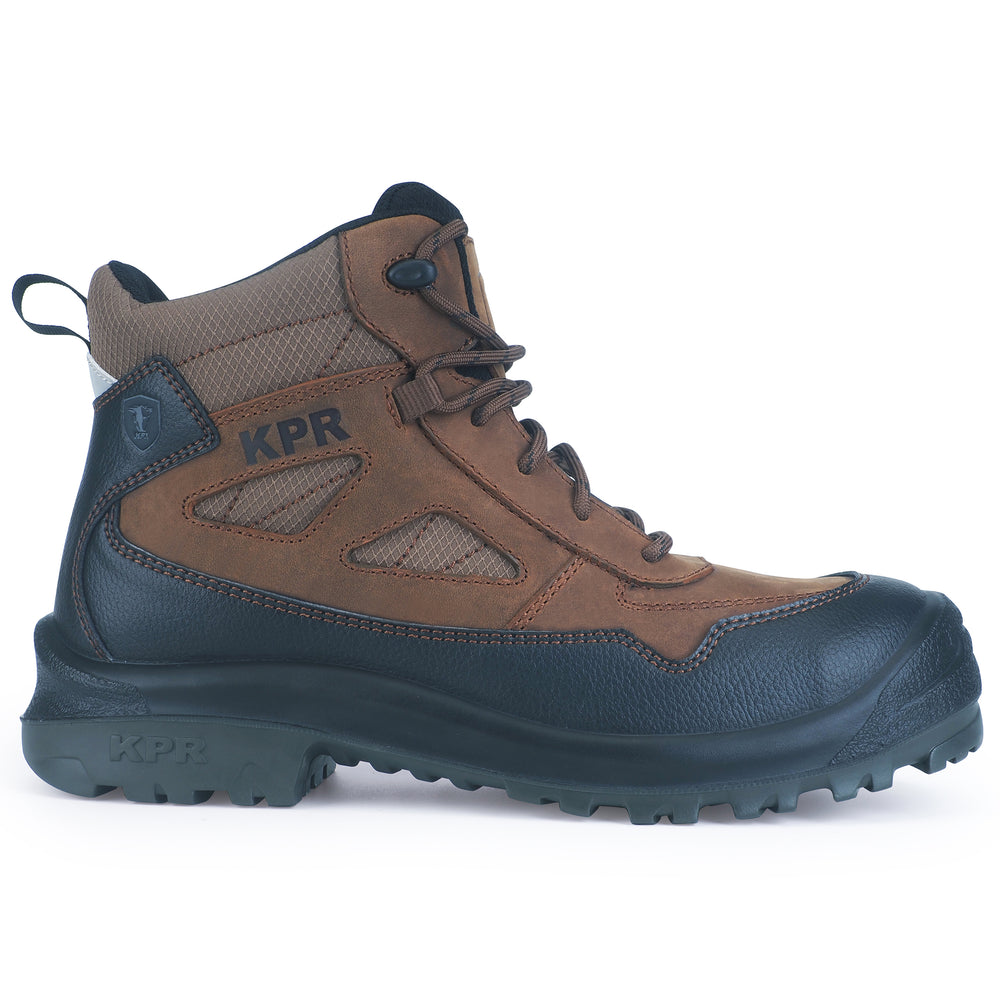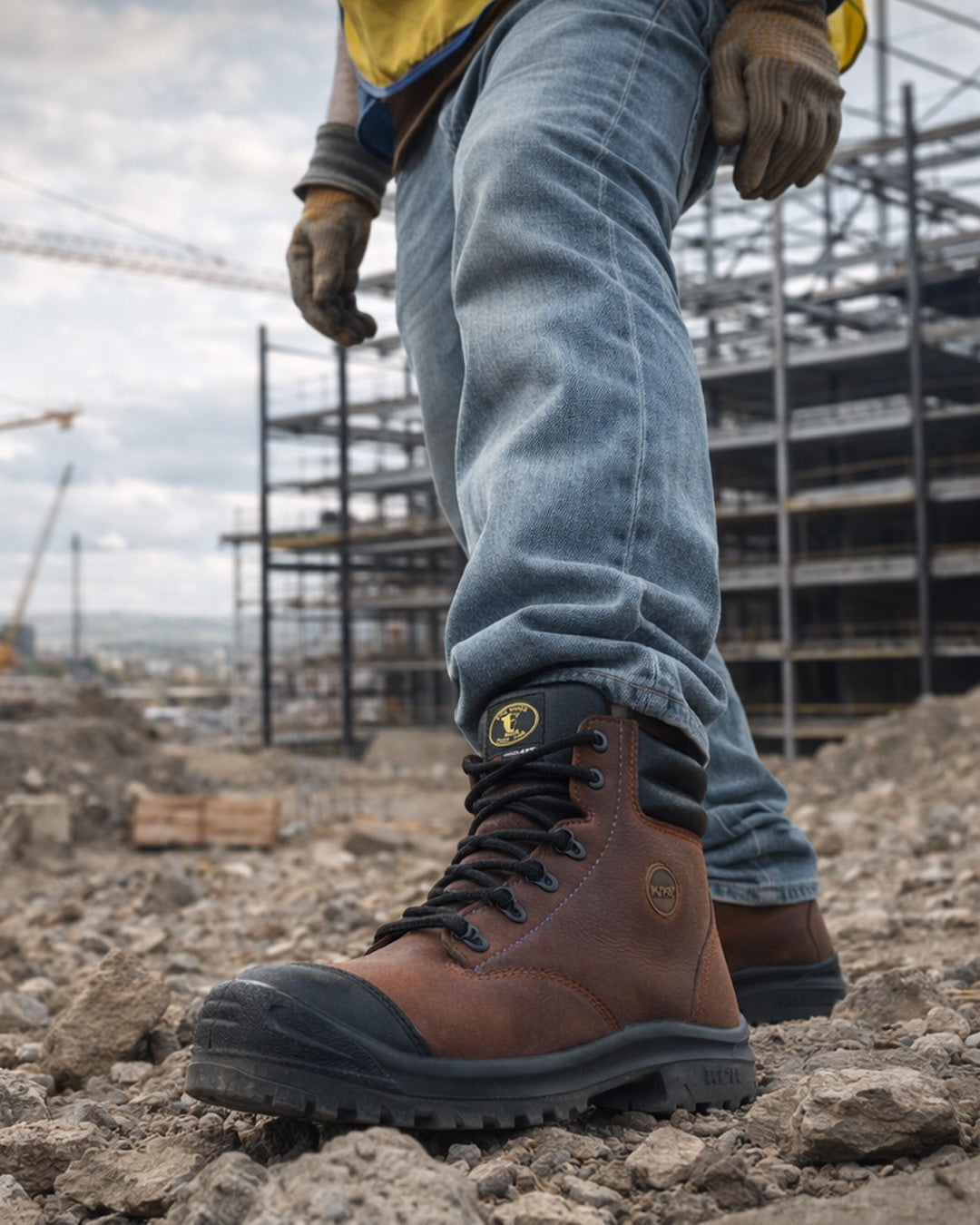
What direct injection means
In a direct-injection process, the prepared upper is positioned in a mold and the sole material is formed and bonded directly to it during manufacturing. The process joins the upper and sole system without treating the finished shoe as a simple glued-on outsole assembly.
The KPR construction rule
Every KPR footwear model uses DESMA direct-injection construction. This is a brand-level manufacturing statement. It does not mean every KPR product has the same upper, midsole, outsole, cushioning, toe cap, puncture barrier, water protection or safety marking.
What buyers should still verify
- Upper material and water-protection claim.
- Midsole and cushioning information.
- Outsole material, tread and available slip-performance documentation.
- Toe and underfoot protection on the exact model.
- Applicable regional marking and controlled product record.
- Size, width and intended work environment.
Why construction is only one decision layer
Manufacturing method can help explain how a shoe is built, but it does not replace a hazard assessment or exact-model certification. Two direct-injected models can be designed for different work environments and carry different protection features.
Questions for model documentation
Ask for the exact model and variant, the construction description, component materials, applicable marking and current technical record. Keep those details together so a B2B approval does not rely on a family-level description.
Explore KPR safety shoe anatomy and compare the current KPR range.