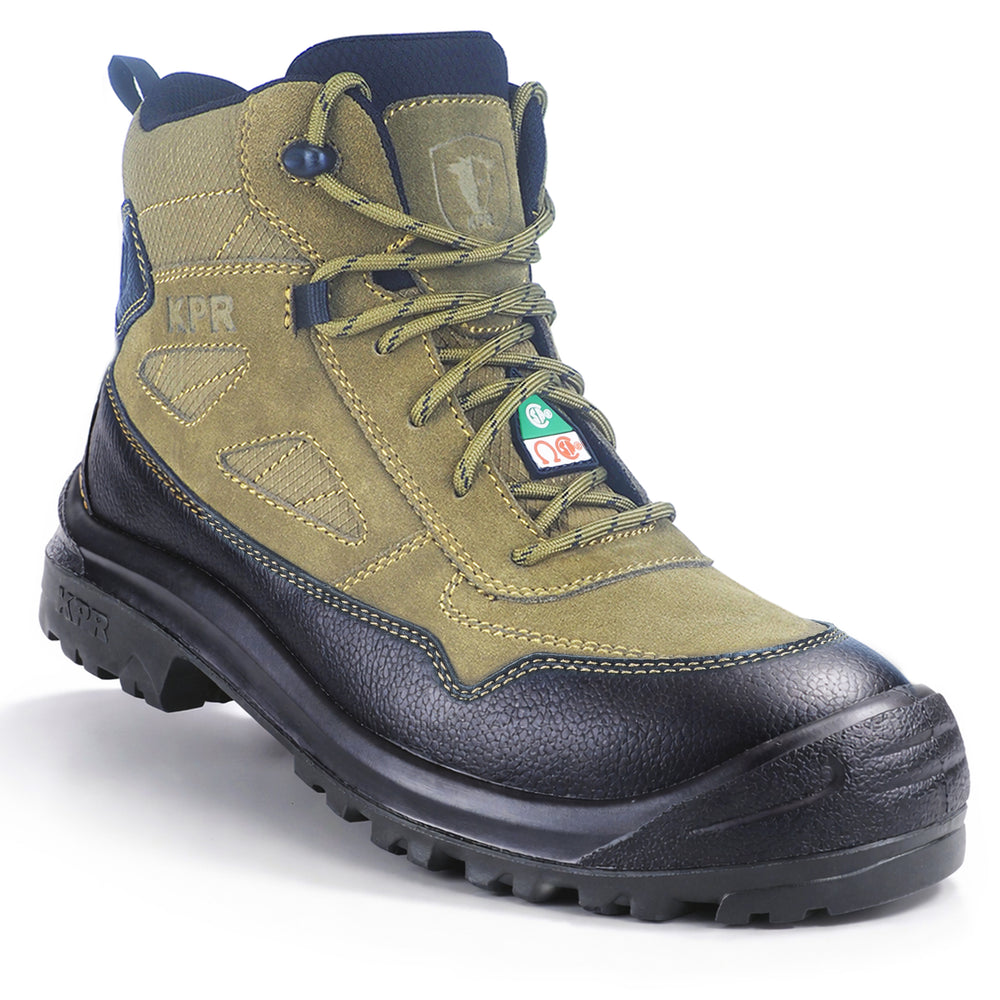
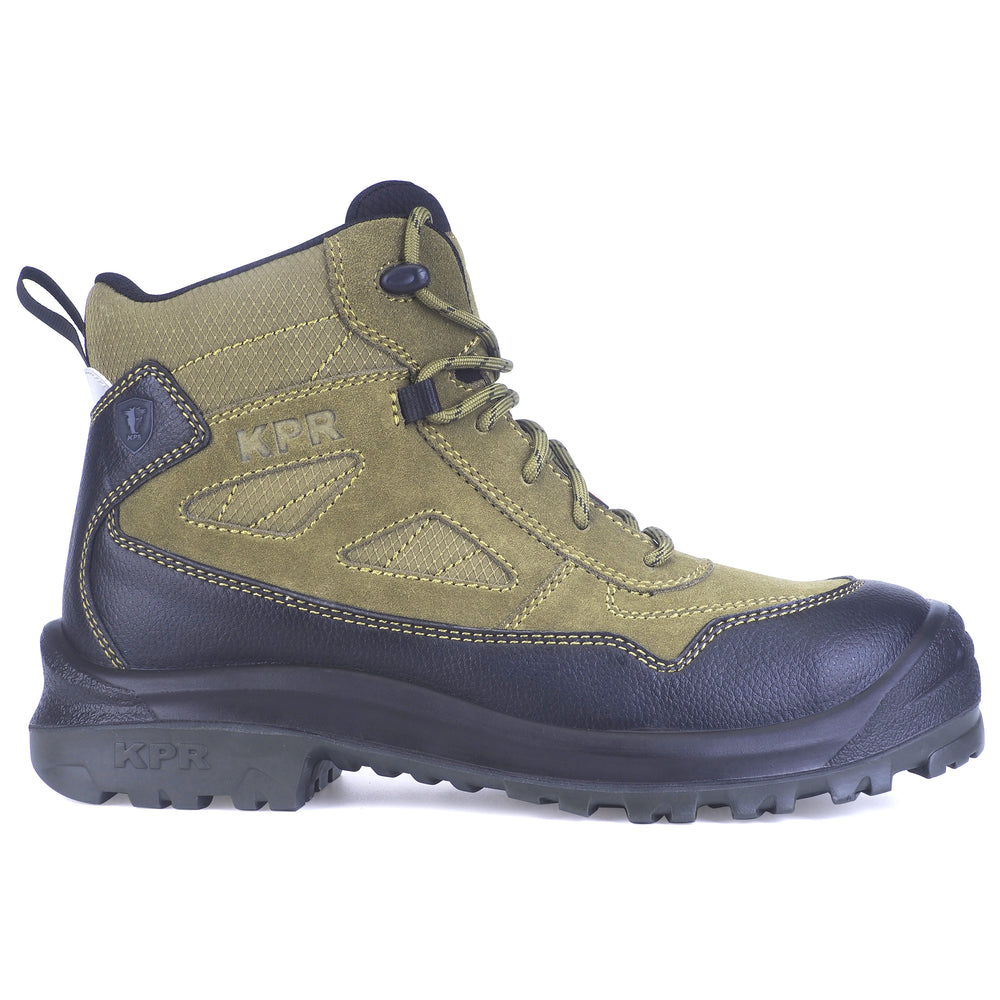
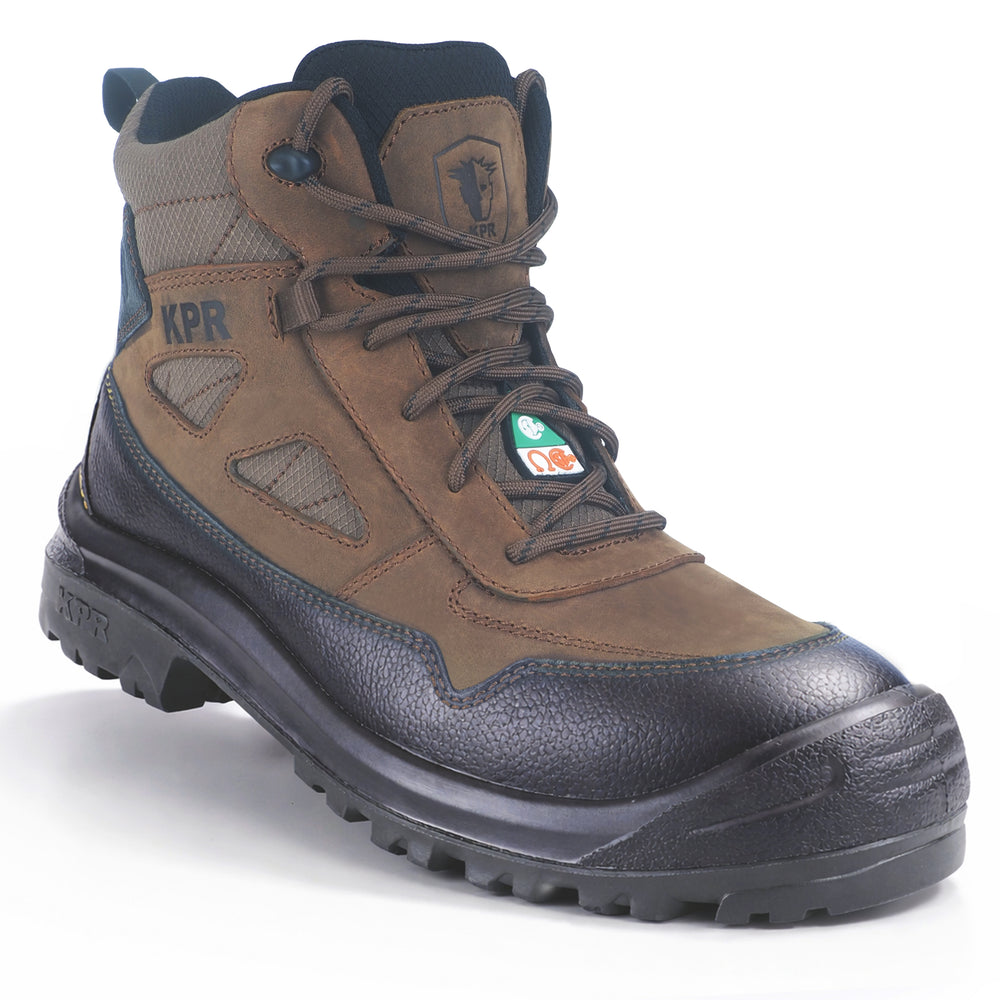
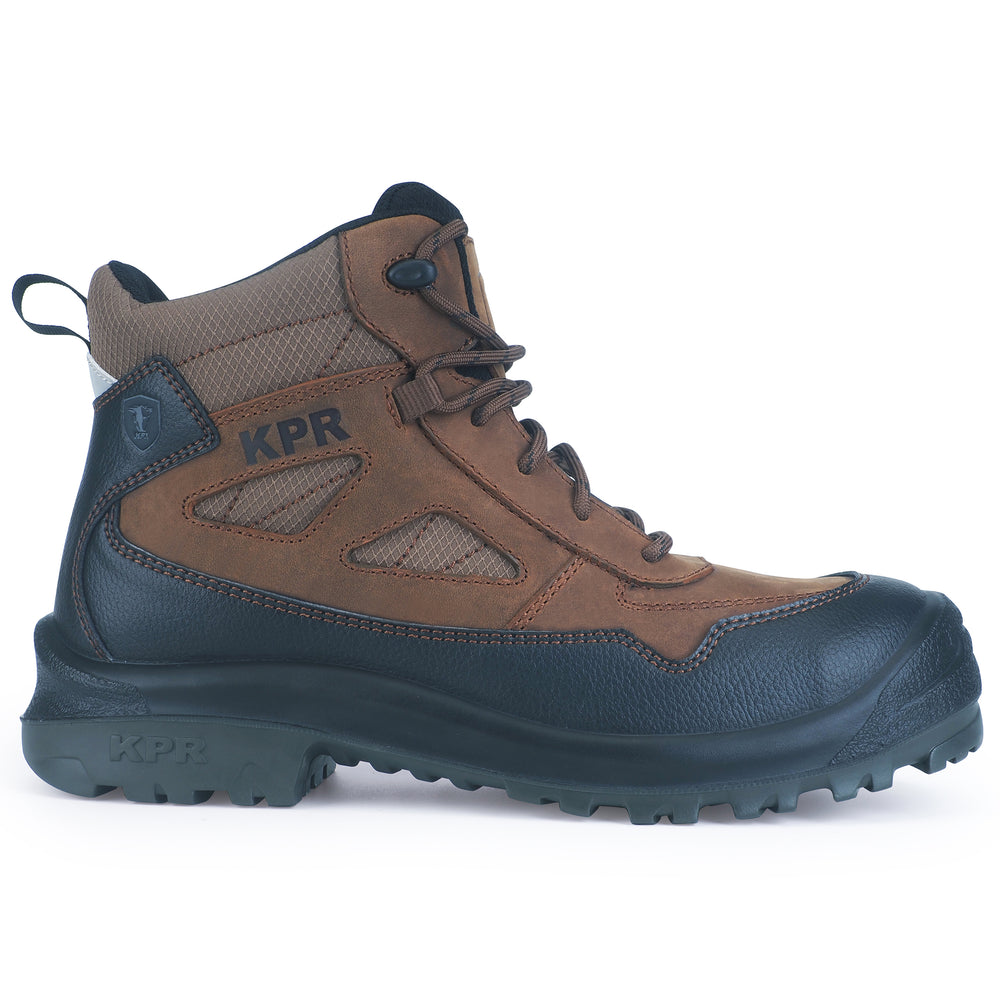
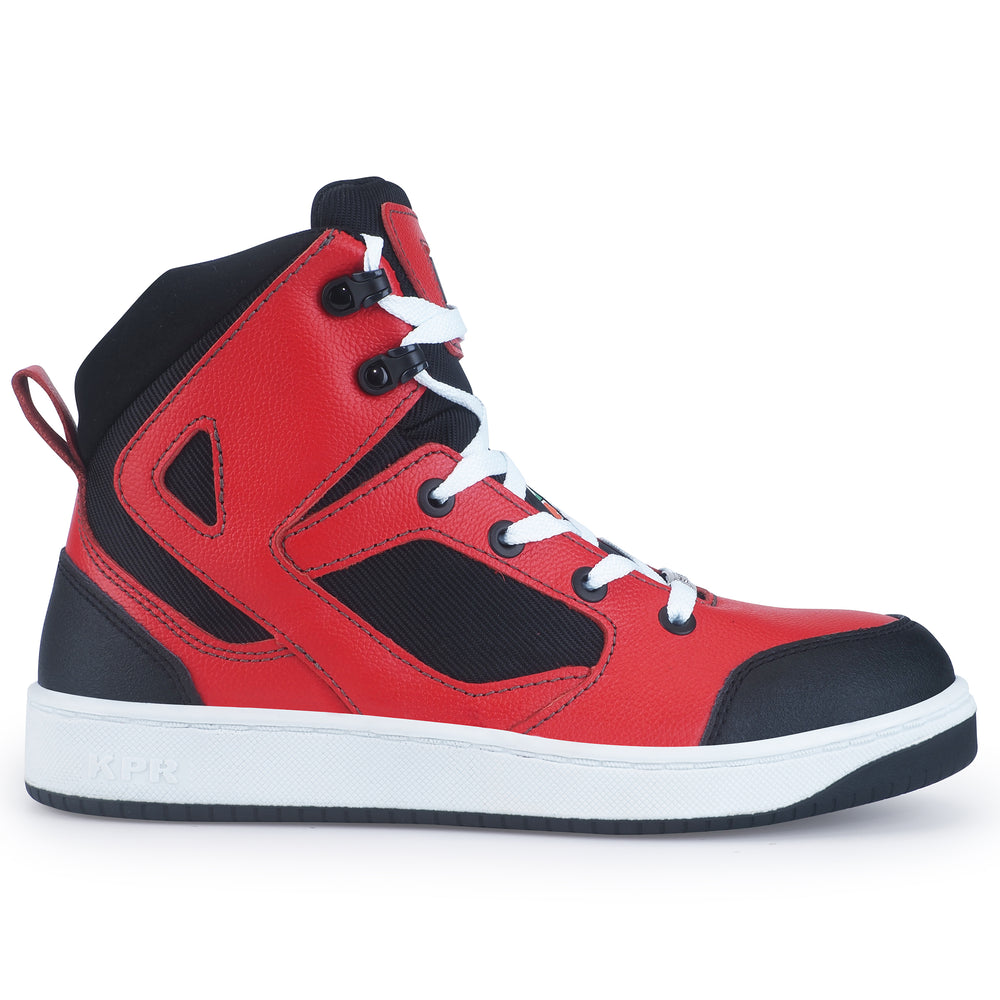
Water-resistant work boots are built to handle everyday moisture such as splashes, light rain and short periods on damp surfaces. That is different from a fully waterproof construction intended for prolonged exposure to standing water or heavy rain.
After a wet shift, dry the boot correctly
Remove surface dirt first, then loosen the laces and take out removable insoles. Wipe away excess water and place the boots in a ventilated area at room temperature. If the interior is damp, loosely fill the boots with clean absorbent paper and replace it as it becomes wet.
Avoid strong direct heat
High heat can harden leather, affect coatings and accelerate material aging. Drying naturally takes longer, but it is the safer approach for work footwear that combines multiple materials.
Clean before applying any protective treatment
Repellent sprays, conditioners and waxes work best on clean, dry footwear. Always choose a treatment that matches the upper material. A product that is appropriate for smooth full-grain leather may be unsuitable for textile, suede or nubuck.
Water resistance can change over time
Repeated flexing, abrasion, dirt and cleaning can reduce the effectiveness of surface treatments. If water begins absorbing into the upper more quickly than before, inspect the condition of the material and consider renewing the compatible water-repellent treatment.
Know when you need a different level of protection
If your work regularly involves deep puddles, standing water, sustained rain or wash-down conditions, choose footwear specifically designed and tested for that environment. Do not assume that a water-resistant model provides the same barrier as a waterproof model.
Inspect the whole boot, not just the upper
After wet work, check the outsole, flex points, stitching, molded joints and any visible seams. If you see cracking, separation or damage that could affect protective performance, stop treating the issue as cosmetic and assess whether the footwear should be replaced.
For a deeper comparison, read Water-Resistant vs Waterproof Work Shoes.