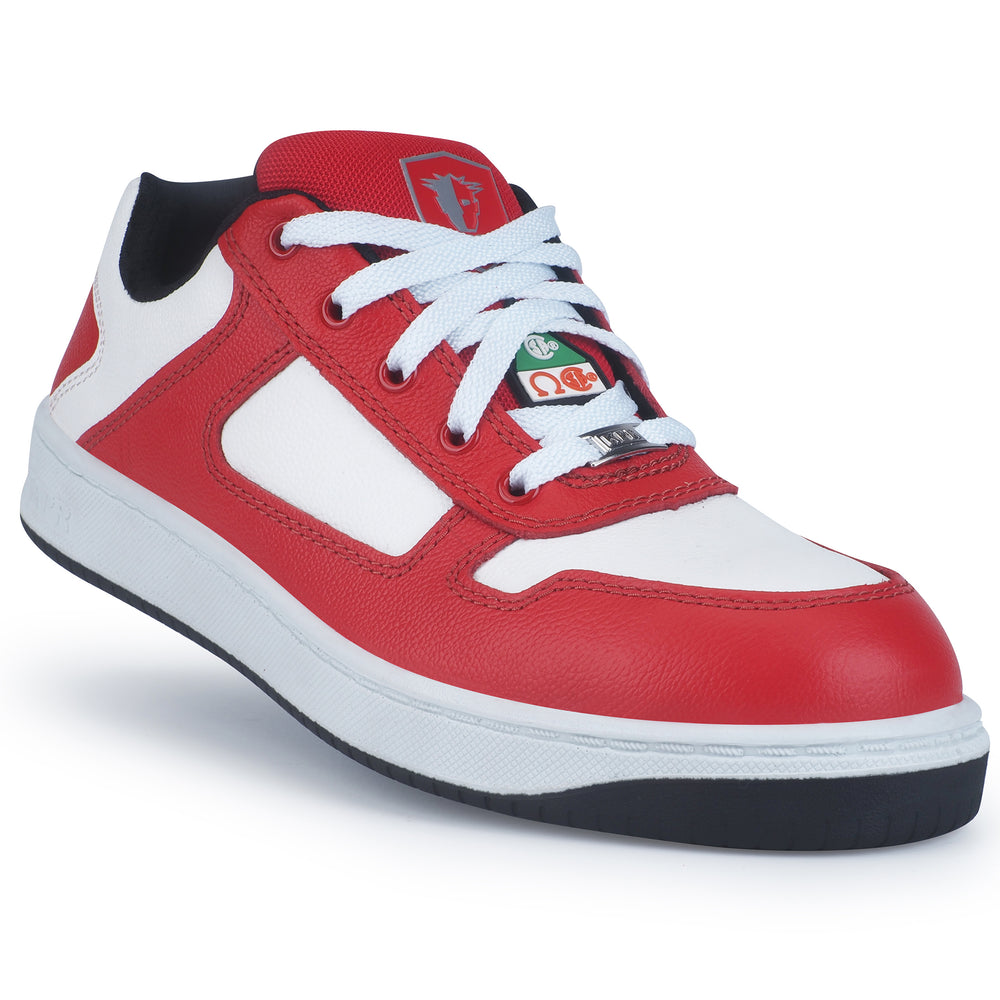
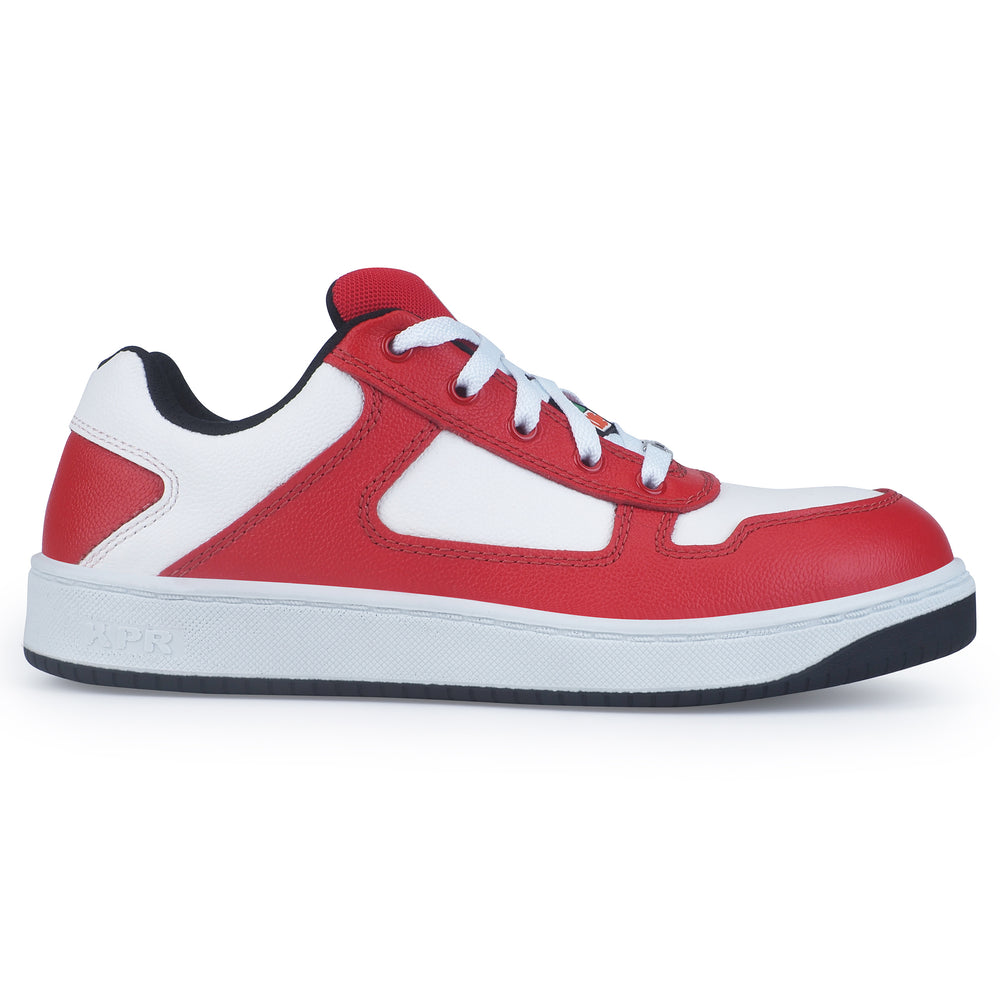
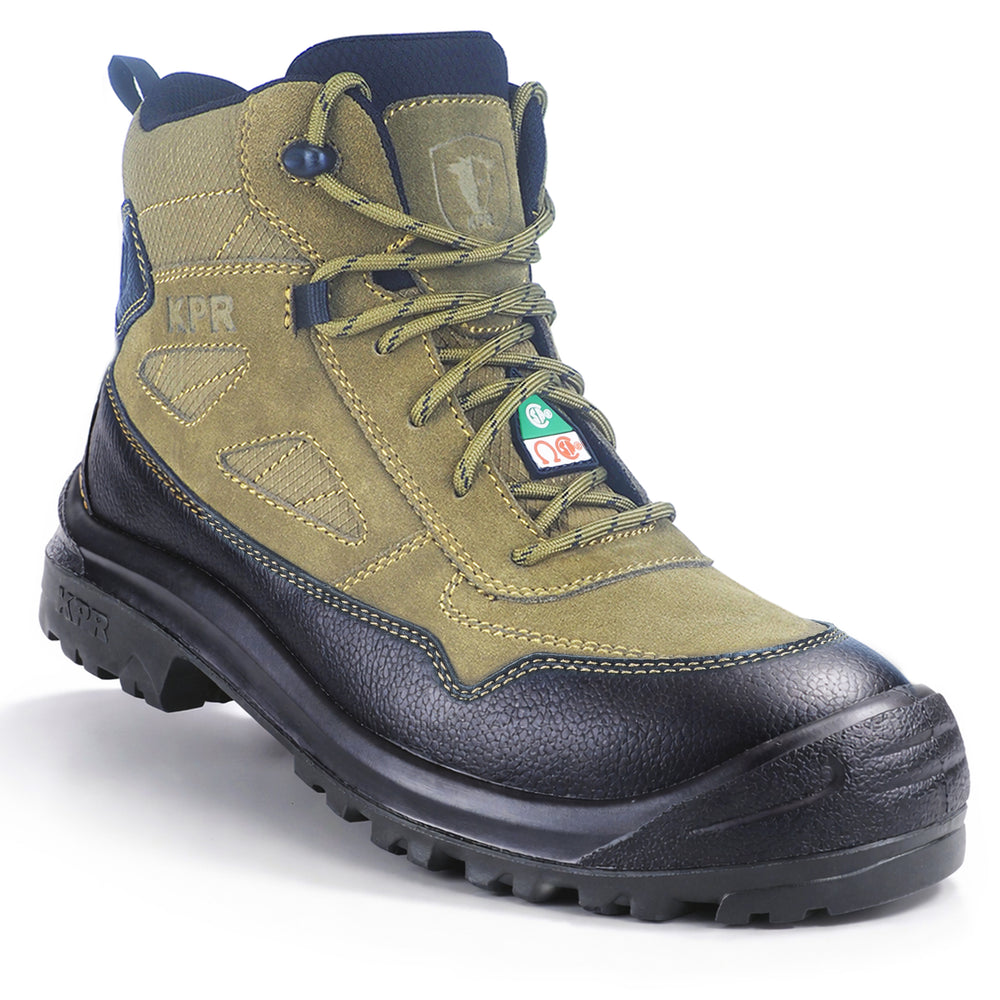
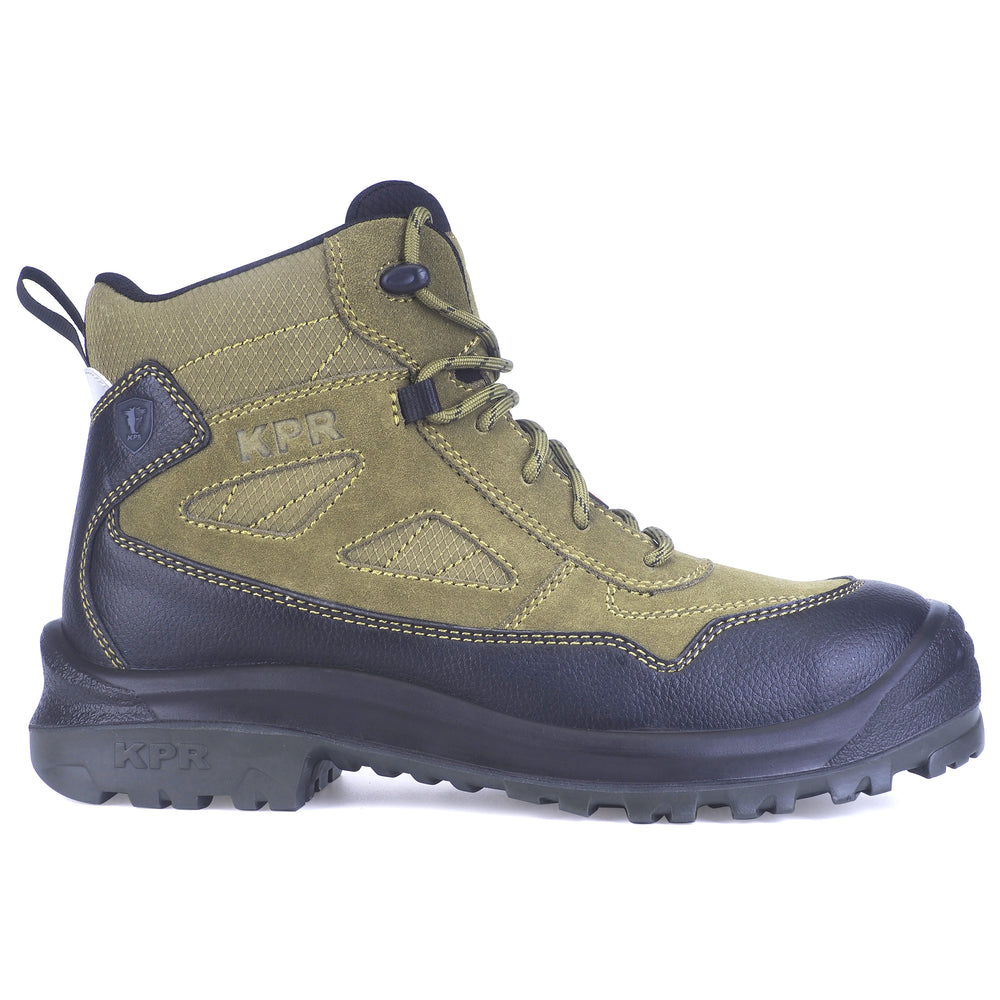
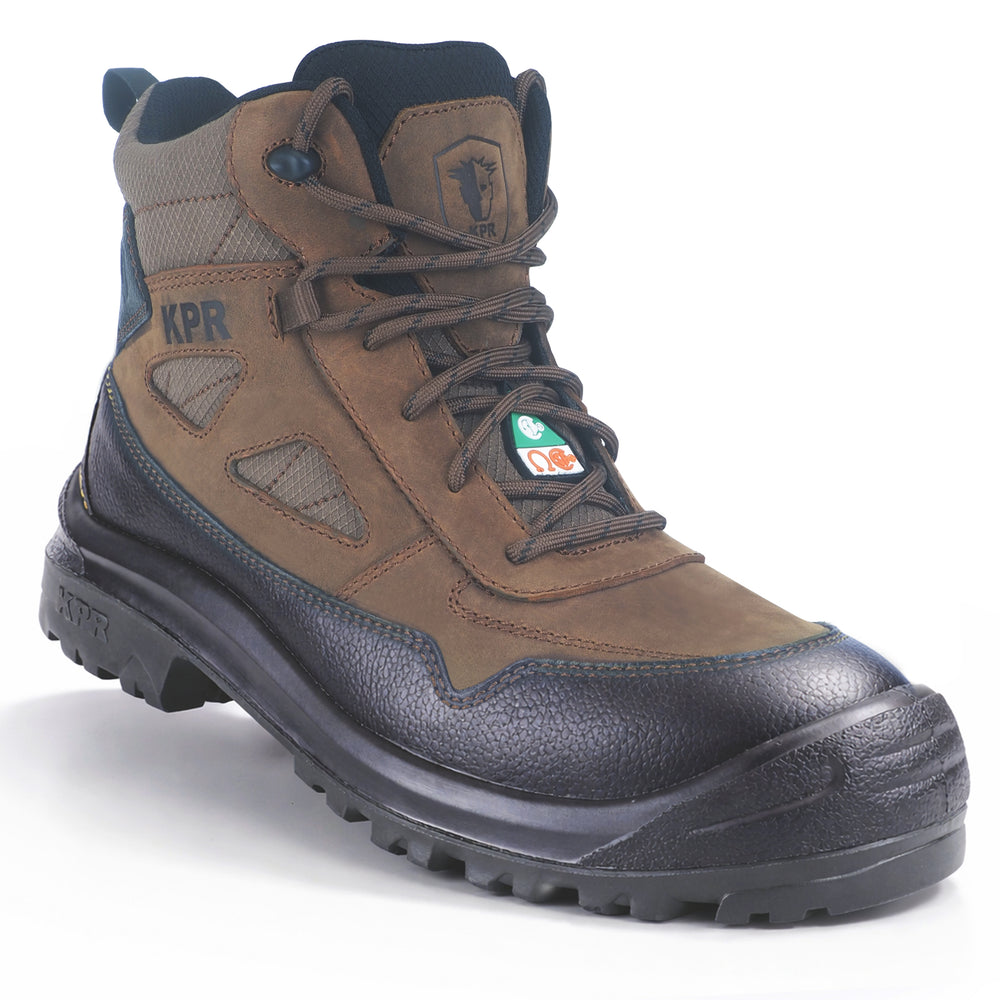
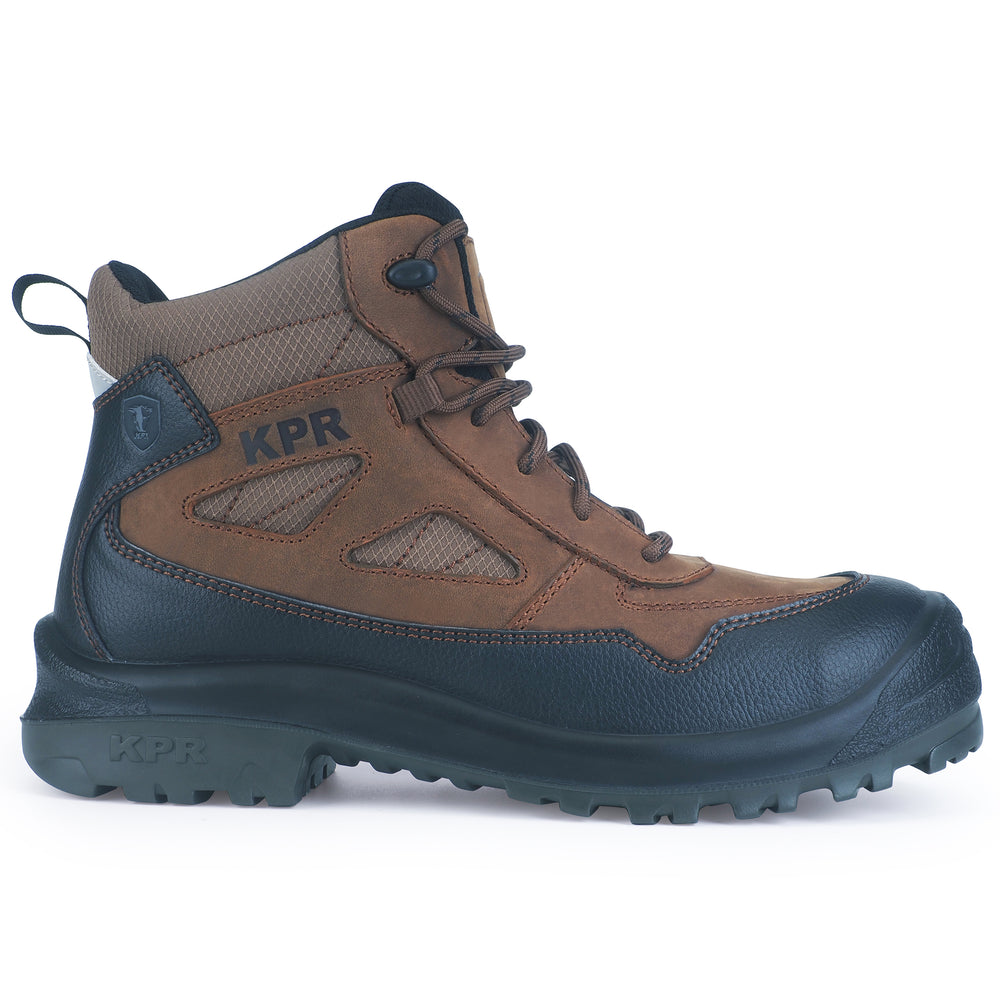
Workers who spend eight, ten or twelve hours walking and standing on concrete or other hard surfaces need safety footwear that balances protection with all-shift wearability. The best choice is not simply the softest shoe or the heaviest boot. Start with the hazards of the job, then compare comfort-related construction.
1. Define the protection you actually need
Before comparing cushioning, identify required workplace protection: protective toe type, puncture resistance, electrical performance, slip resistance and any other employer or site requirement. Comfort features should never replace required protection.
2. Pay attention to total weight
Every step lifts the shoe. For high-step-count jobs, a lighter protective construction can reduce the amount of mass you carry through the shift. Composite and other nonmetallic components can be useful when the job specification allows them.
3. Look at flexibility in the right place
A work shoe should flex where the forefoot naturally bends while still feeling stable under the heel and midfoot. Excessively stiff footwear can feel tiring during repetitive walking, while footwear that is too soft for the job may not provide the structure you need.
4. Check underfoot support, not just softness
Thick cushioning feels impressive when you first try a shoe on, but long-shift comfort also depends on stability, fit and how the midsole behaves after hours of repeated loading. Judge the whole platform rather than one soft layer.
5. Fit for the end of the shift
Feet often feel fuller later in the day. Try safety footwear with your normal work socks and make sure the toe box, width and heel hold still feel comfortable after walking for several minutes. A protective toe cap should not press against your toes.
6. Match the outsole to the floor
Warehouse concrete, oily manufacturing floors and outdoor mixed surfaces do not create the same traction needs. Choose an outsole pattern and slip-resistance specification appropriate to the workplace.
7. Think about the job as a complete system
Your footwear works together with socks, insoles, floor conditions, walking distance and task type. If your day includes ladders, kneeling, driving or frequent transitions between indoor and outdoor areas, include those motions in your fitting decision.
Continue with Best Safety Shoes for Warehouse Work or browse KPR Industries for job-specific guidance.