Build the brief before requesting prices
A workforce footwear program needs a repeatable decision record. Price and appearance come after worker roles, locations, hazards, required markings, fit needs and exact-model evidence.
1. People and locations
- Worker count, roles, countries, job sites and delivery points.
- Size range, width needs, socks, insoles and orthotics.
- Annual volume, onboarding demand and replacement pattern.
2. Hazards and tasks
- Impact, compression, puncture, surfaces and contaminants.
- Electrical-shock, static-control or other specialized conditions.
- Standing, walking, climbing, driving, kneeling and weather exposure.
3. Jurisdiction and marking
Record the exact workplace rule, standard, edition and required category for every destination. Do not approve one global model by assuming ASTM, CSA, EN ISO or another system is interchangeable.
4. Exact-model evidence
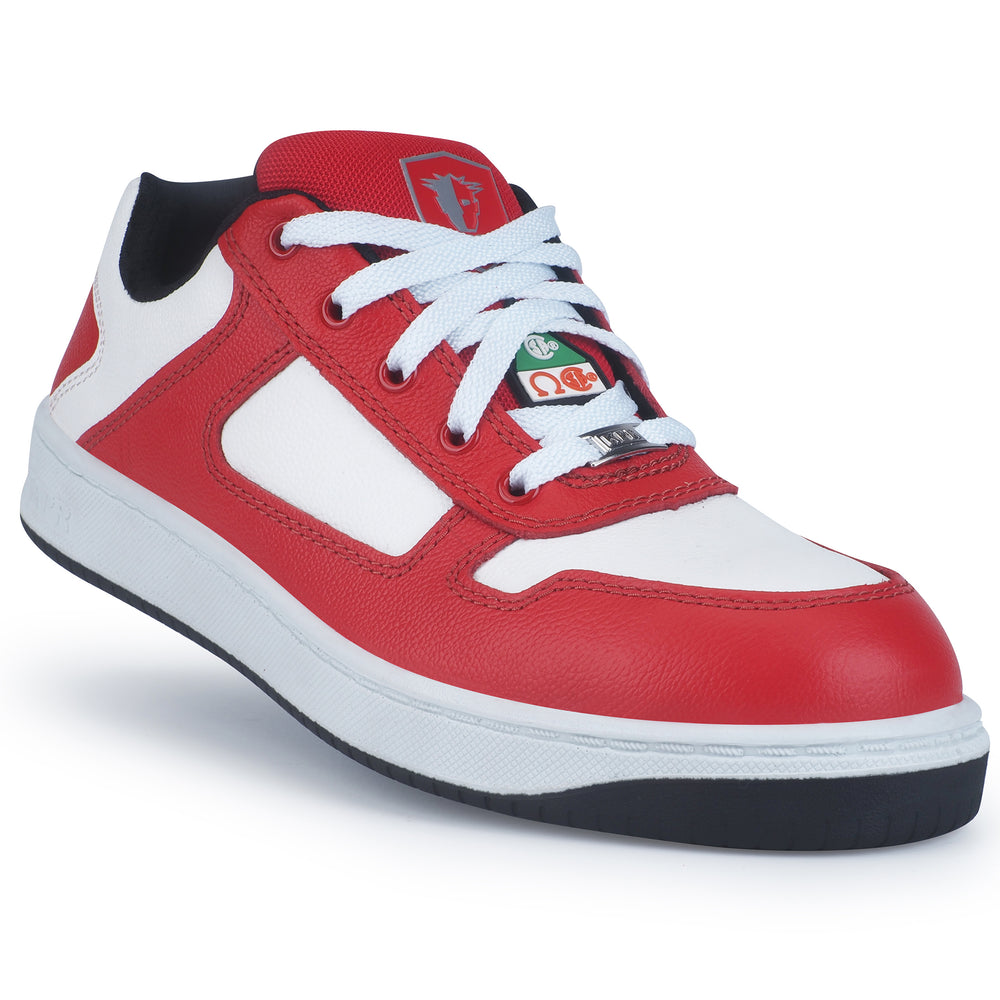
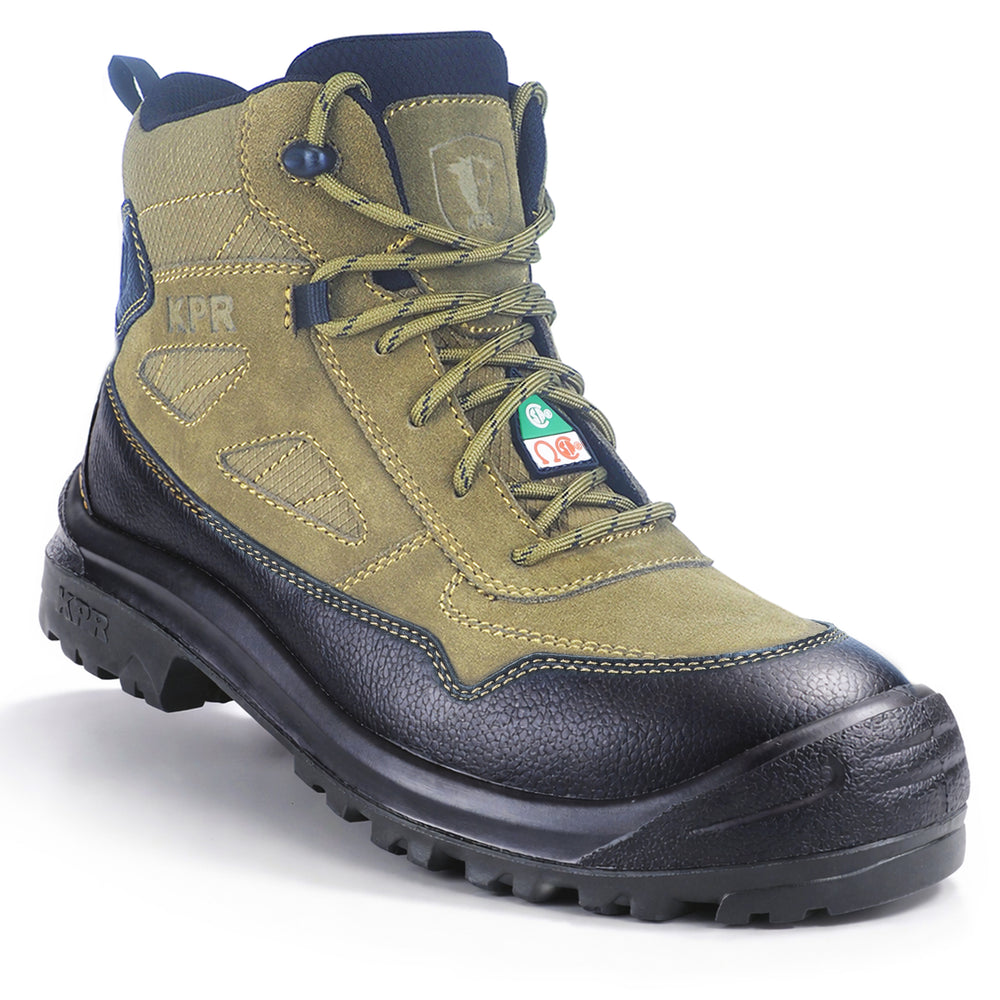
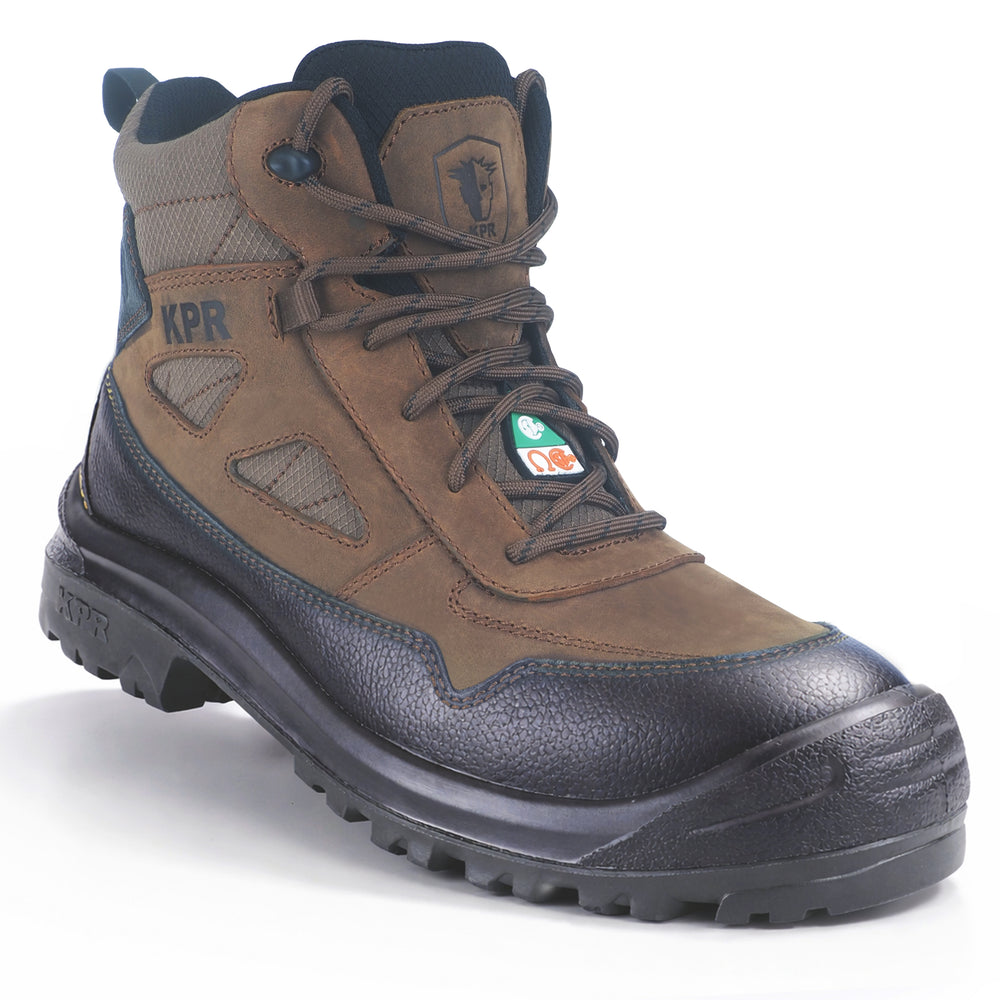
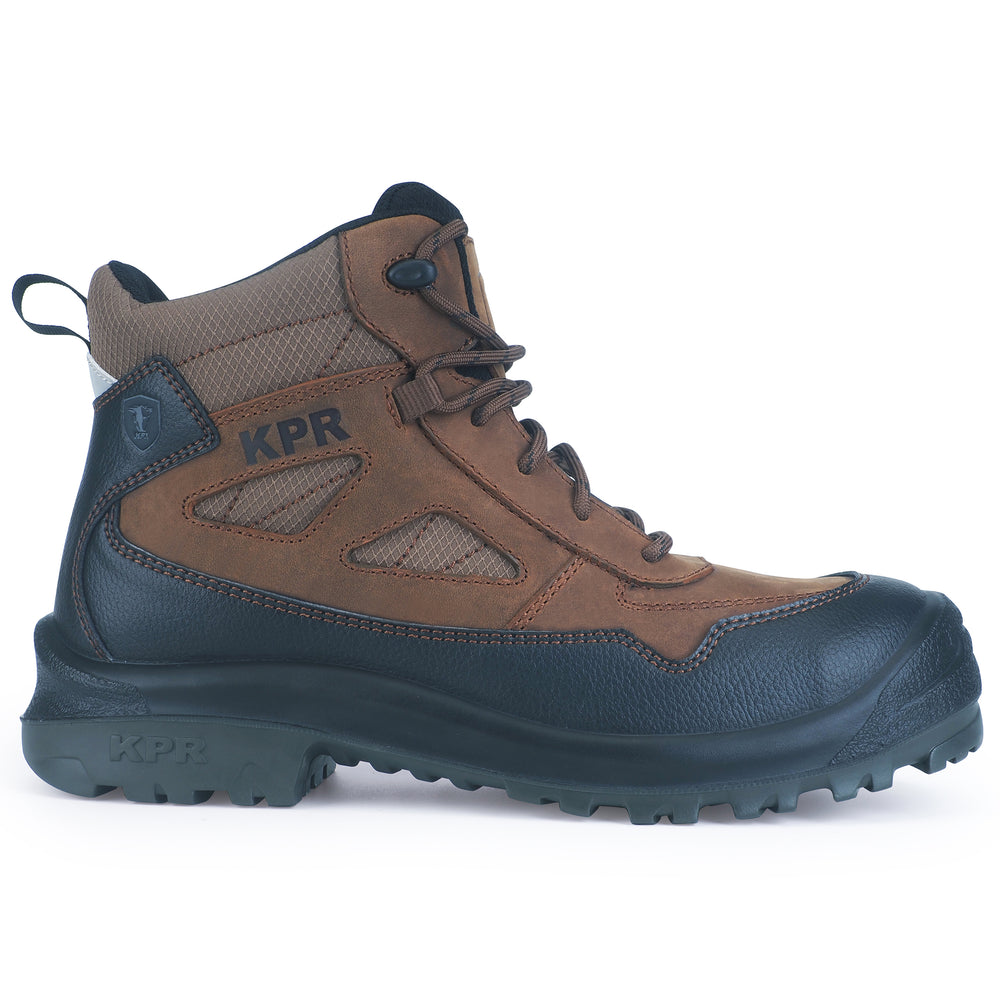
Collect the model and variant, permanent marking, certificate or controlled document, materials, construction, outsole, water claim, fit range and market availability. Every KPR model uses DESMA direct-injection construction, while protection and components still vary by model.
5. Trial and rollout
Use representative workers, normal socks and real tasks. Record size changes, pressure points, heel movement and role-specific feedback. Define the approved model list, ordering process, delivery schedule and exception path.
6. Review and replace
Assign responsibility for inspection, incident review, replacement and documentation updates. Reassess the program if the product, workplace, required standard or worker population changes.
Use the interactive KPR procurement center and contact KPR with the completed brief.