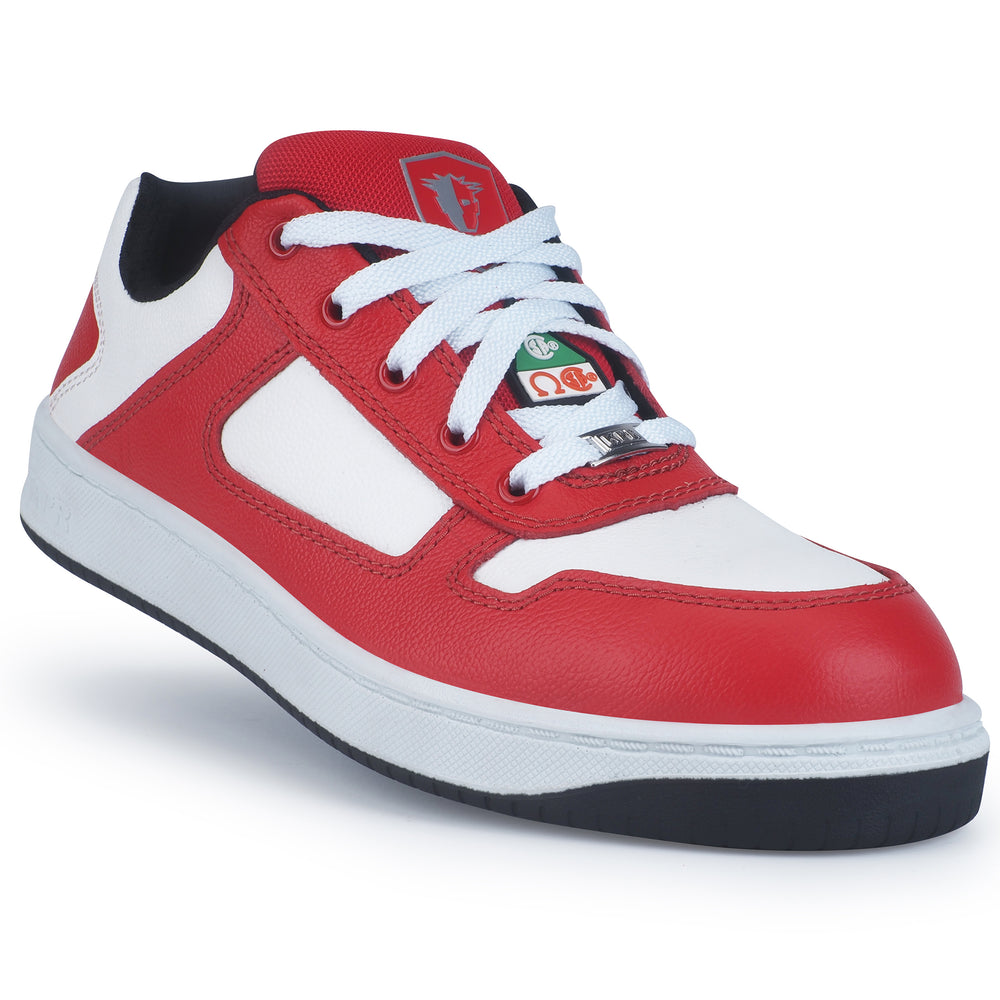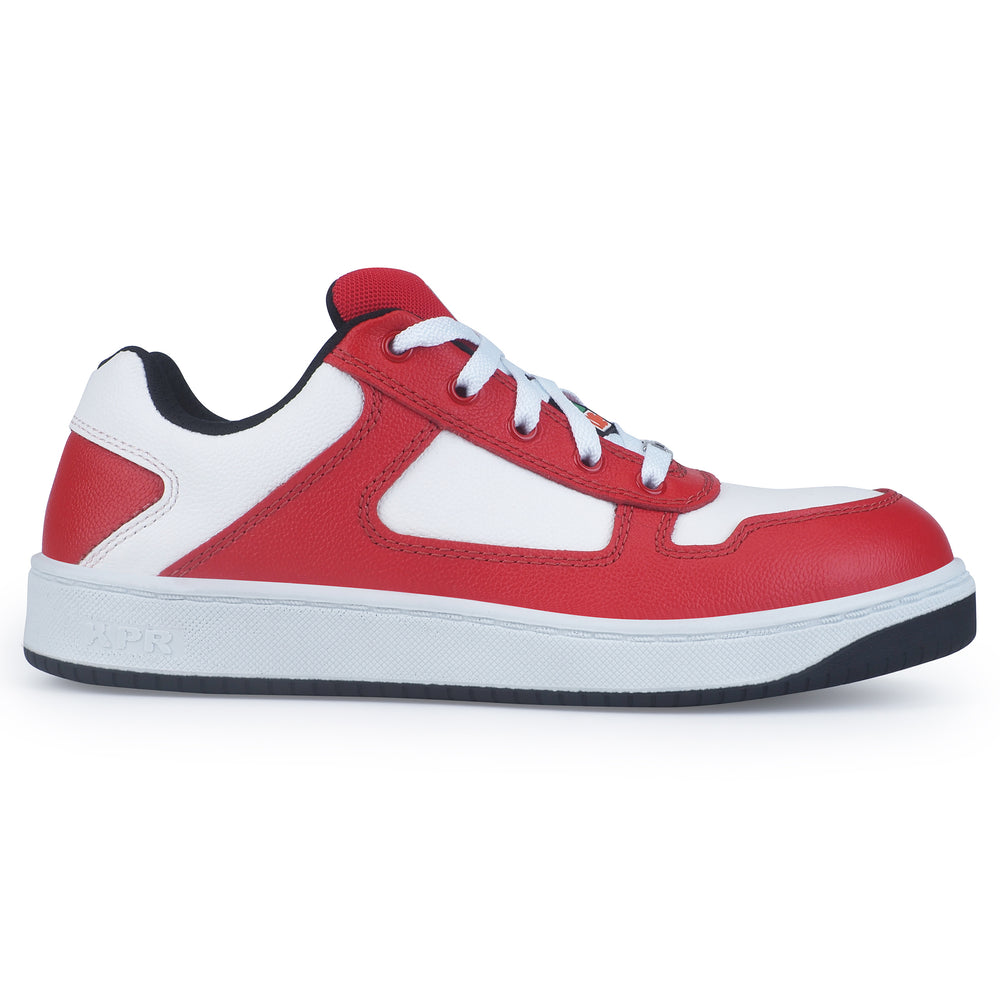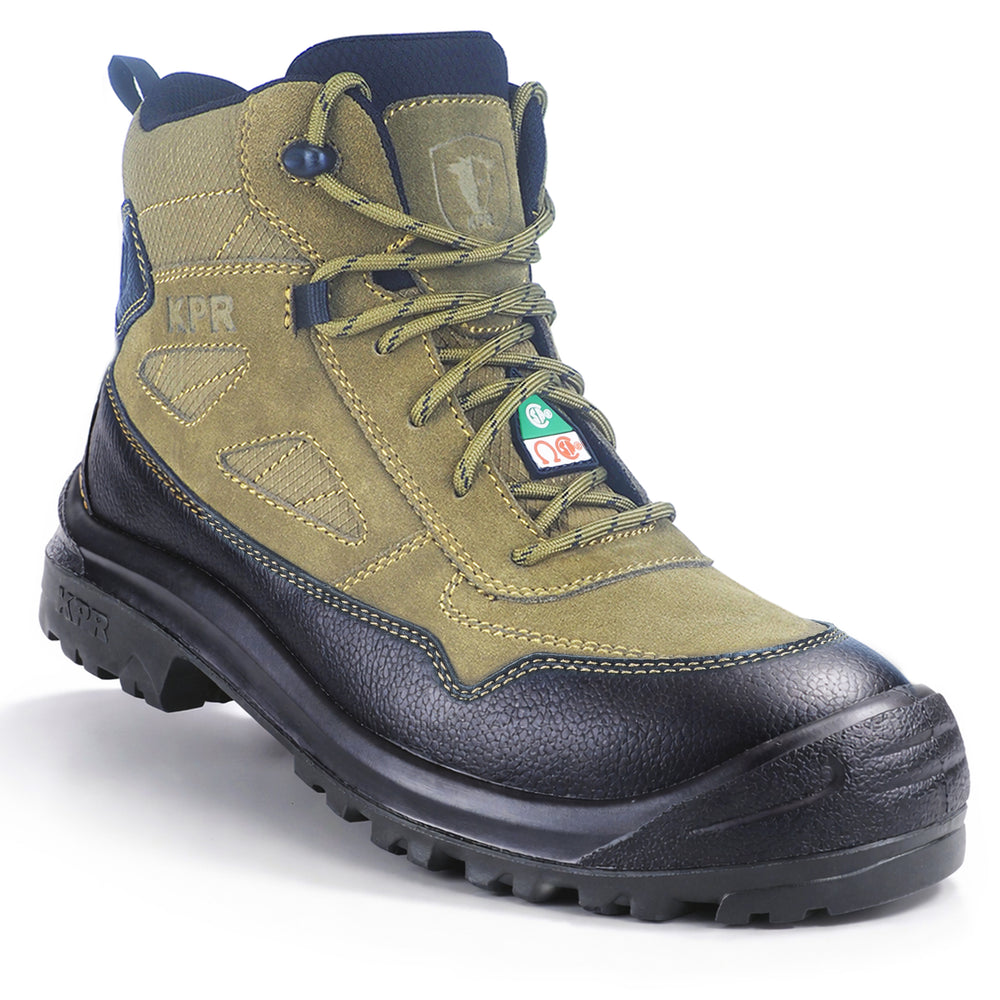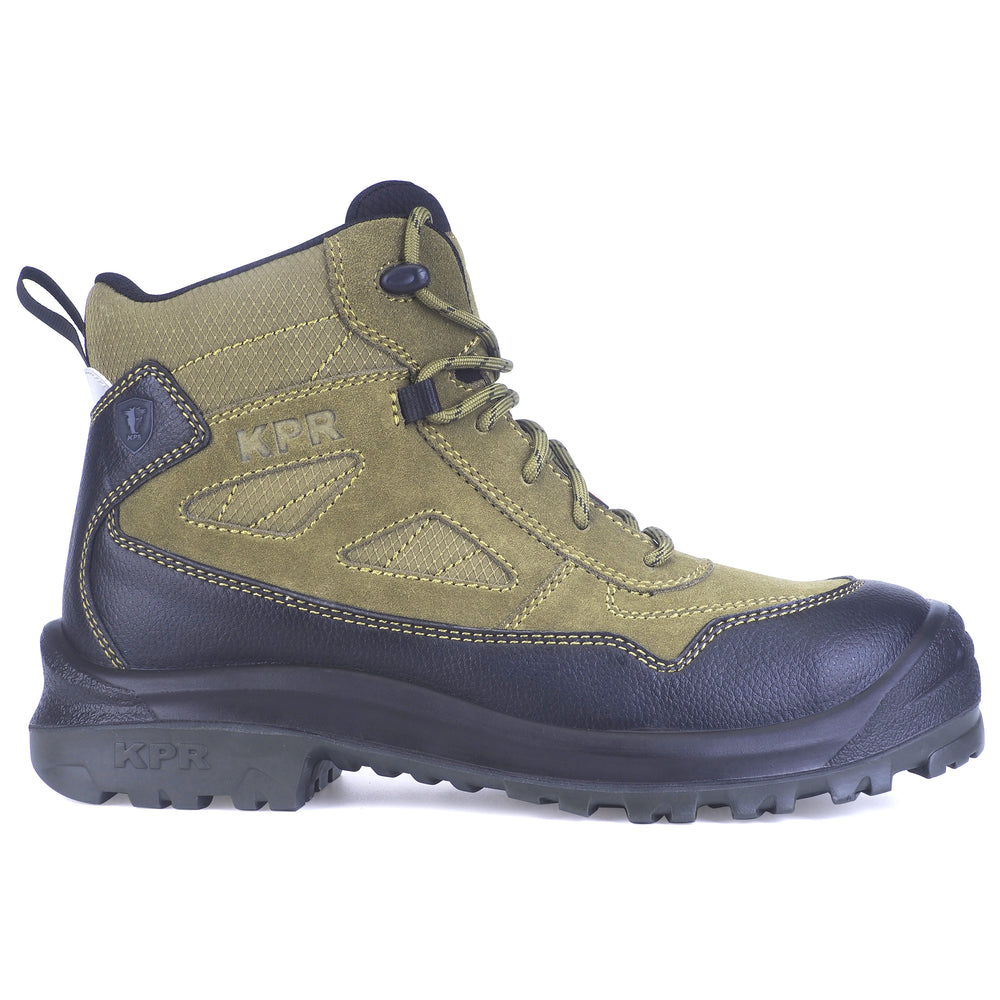
Start with the jobsite hazard assessment
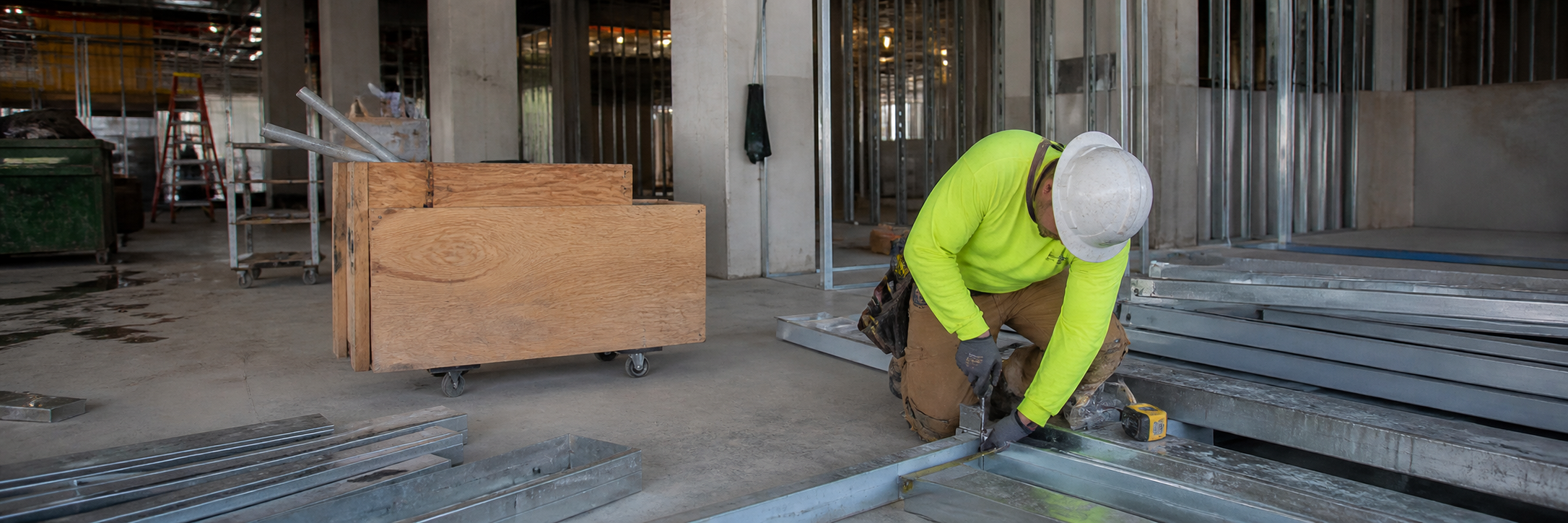
The best safety footwear for construction is the pair that matches the actual hazards, required marking, tasks and conditions on the site. Falling or rolling objects, sharp debris, uneven ground, ladders, weather and material handling create different priorities. Boot height or appearance alone does not prove protection.
What to document before comparing models
- Impact or compression hazards around materials and equipment.
- Nails, metal offcuts or other objects that could penetrate the sole.
- Uneven, muddy, wet, smooth or contaminated walking surfaces.
- Climbing, kneeling, crouching and repeated walking requirements.
- The exact employer, project or jurisdictional marking requirement.
Model fields to verify
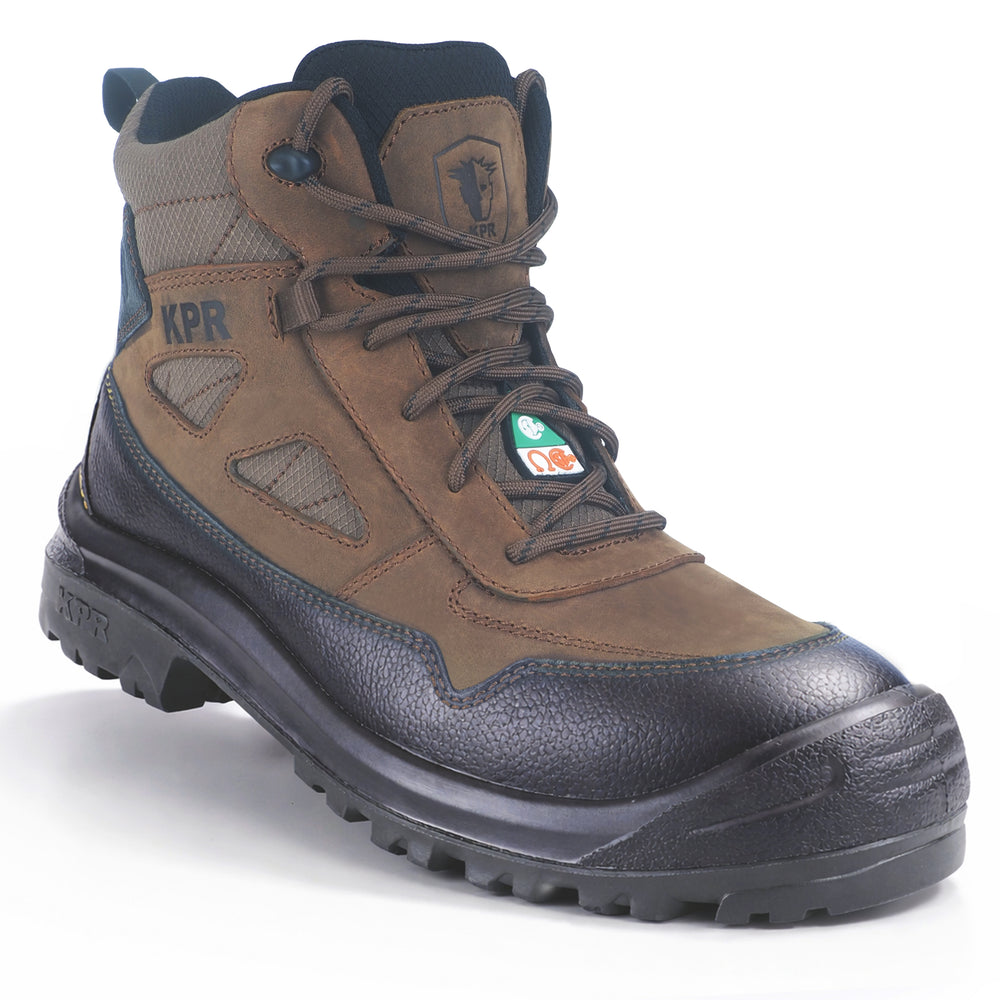
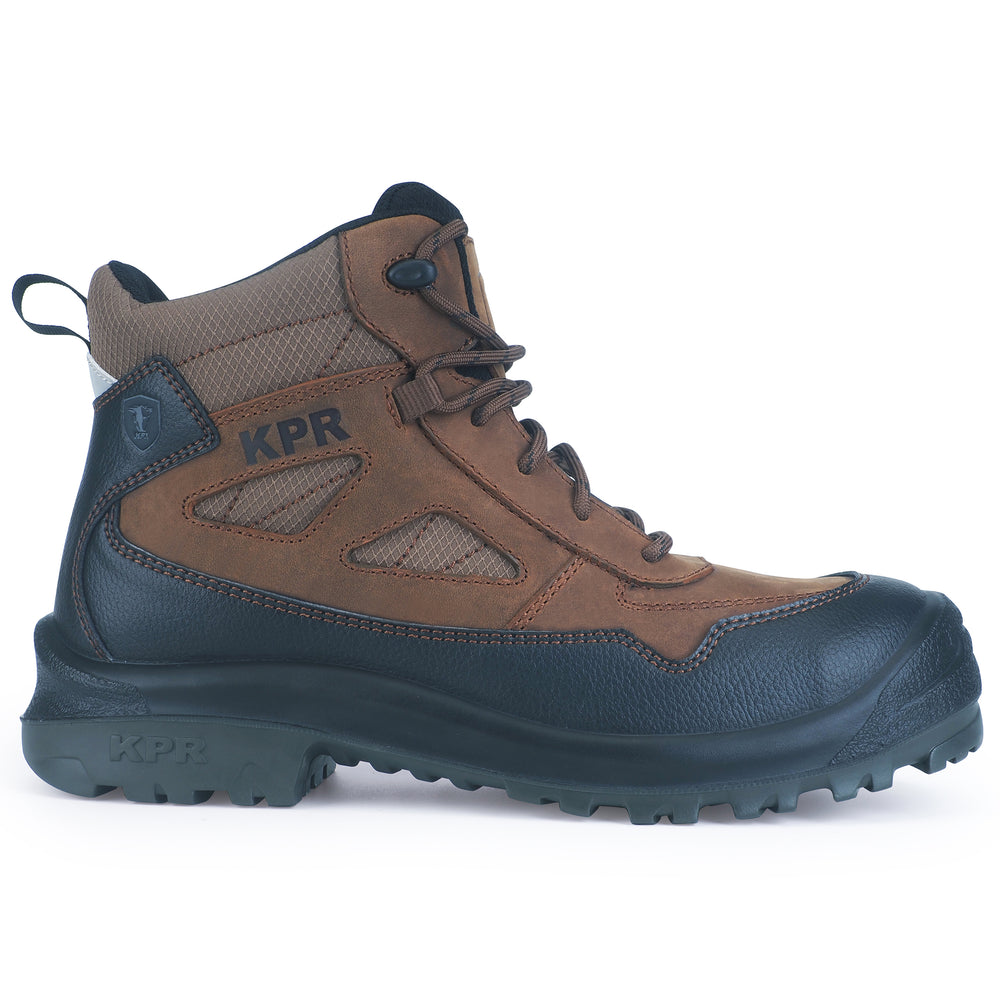
Check the exact product record for toe protection, puncture resistance, outsole information, water protection, upper material, boot height, closure, width and applicable standard marking. A safety toe does not automatically prove puncture resistance, slip performance or water protection.
Toe, underfoot and metatarsal protection are separate
A protective toe addresses defined impact and compression hazards at the front of the foot. Puncture resistance addresses a different underfoot hazard. Metatarsal protection addresses the upper foot beyond the toe area. Require the exact marking for every protection category instead of inferring a complete system from one feature.
Read the whole footwear system
The upper, lining, closure, protective components, cushioning layers and outsole affect fit and daily use. Material names alone do not prove a safety rating, slip result, water claim or suitability for ladders and uneven ground.
Fit test for real tasks
Measure both feet while standing and use normal work socks, insoles and orthotics. Walk, climb and kneel during a trial. The heel should remain secure, the forefoot should not be compressed and the longest toe needs functional room without sliding.
Common selection mistakes
- Choosing the heaviest-looking boot instead of checking the label.
- Assuming waterproof also means slip-resistant.
- Assuming a toe cap also protects underfoot.
- Ignoring width and socks until after a bulk order.
Use the KPR construction work guide to organize the decision, then compare construction footwear by exact-model information.