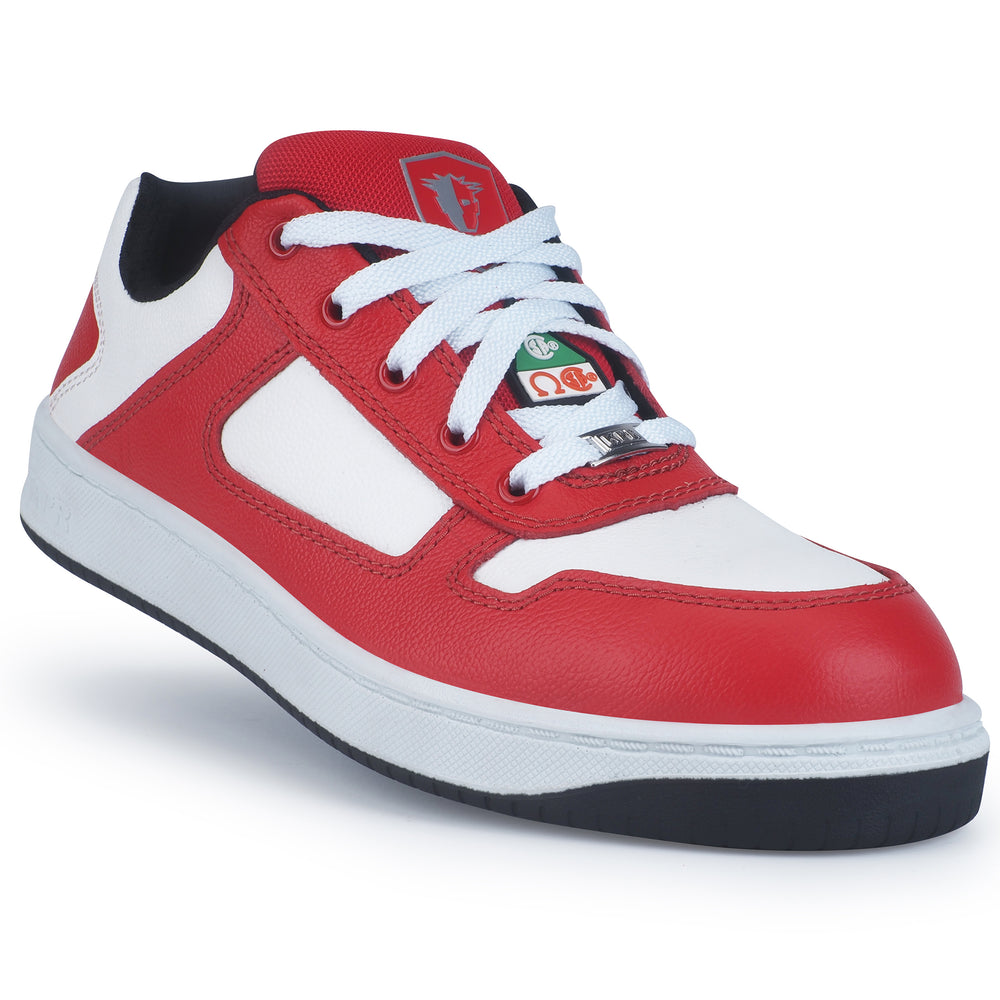
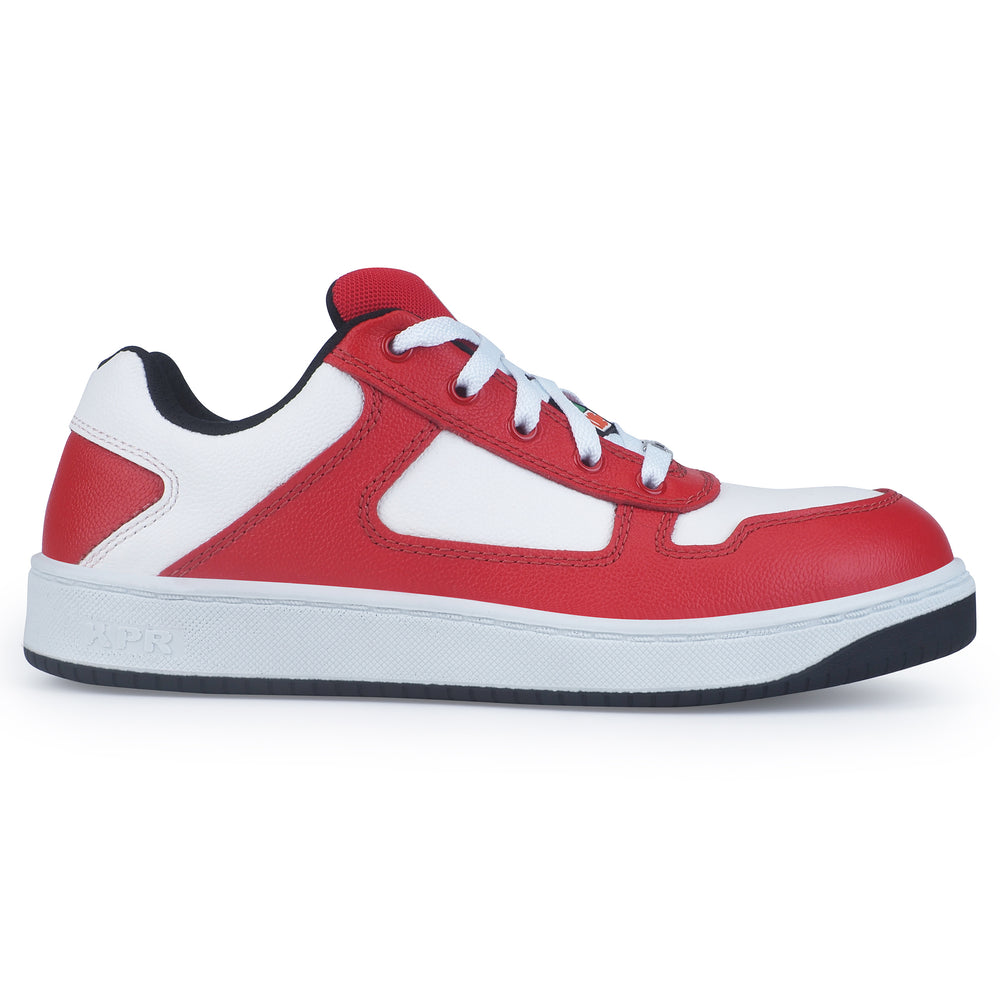
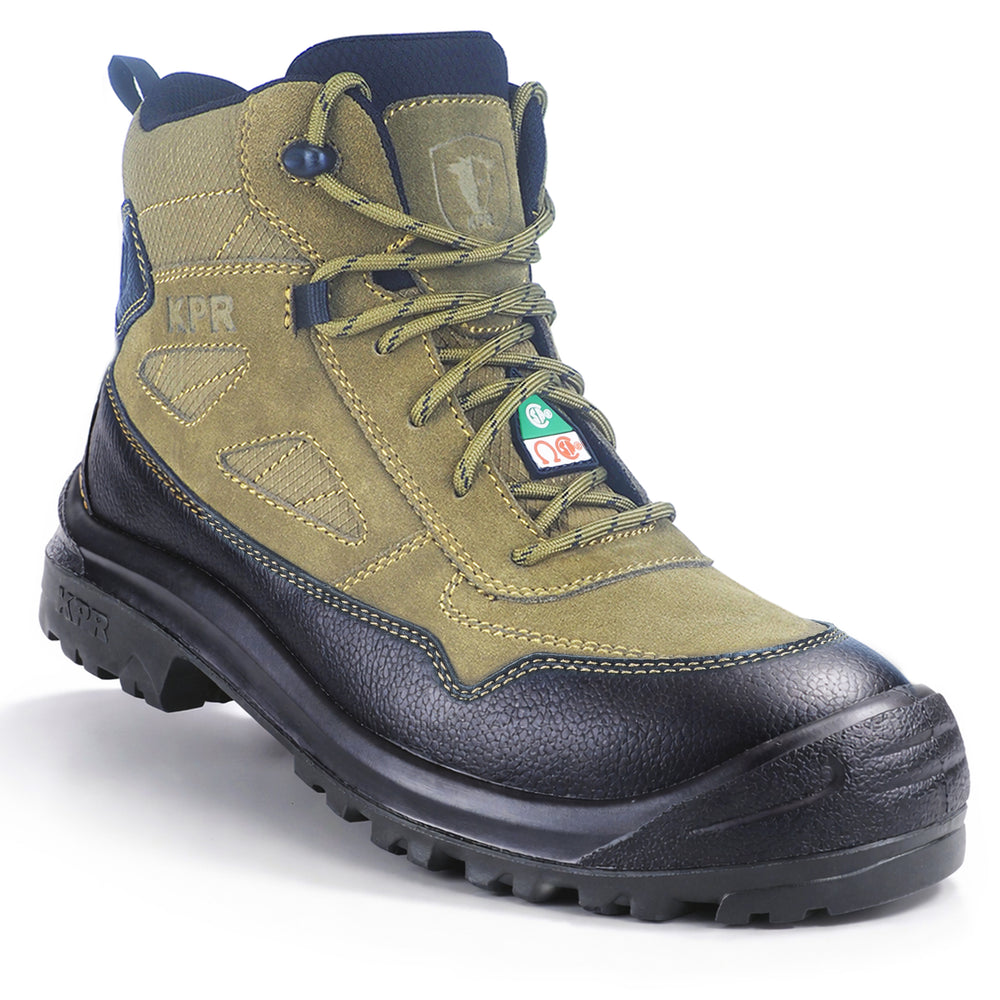
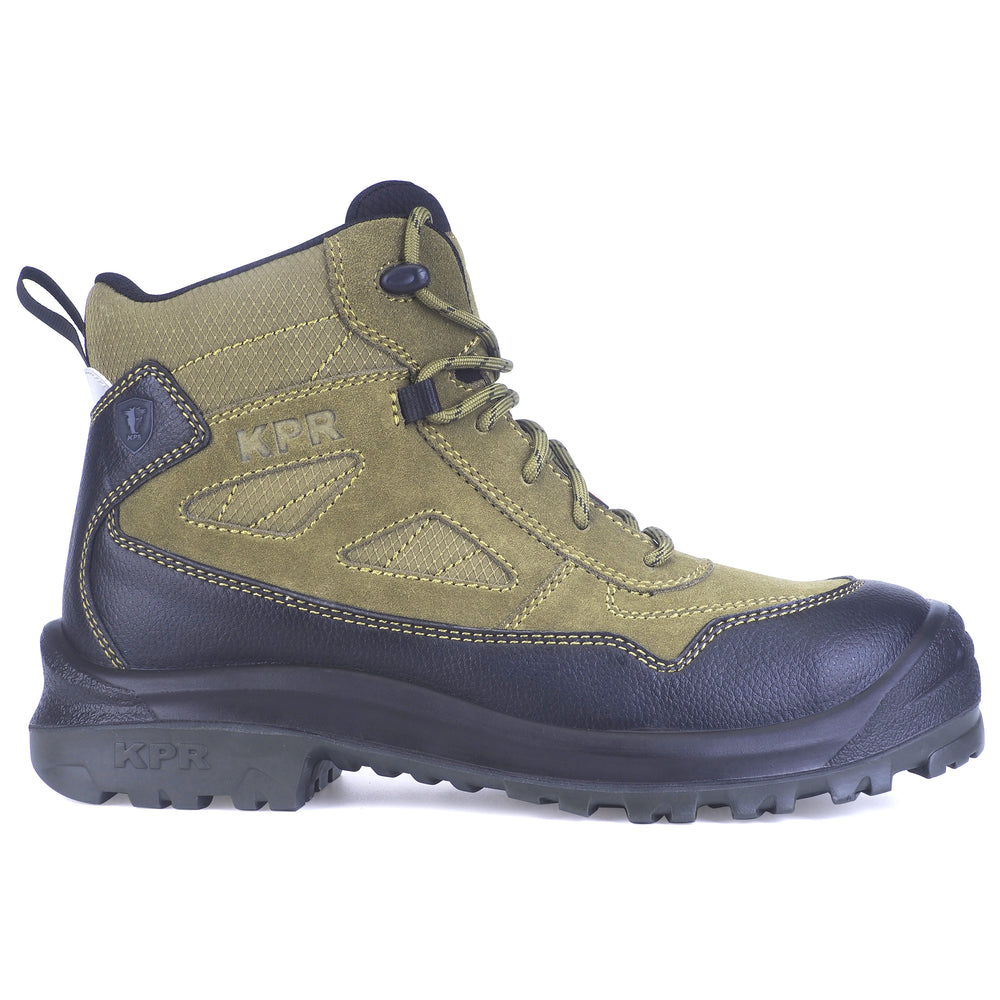
Manufacturing is not one footwear environment
A production floor can include assembly stations, machine areas, carts, components, loading zones, smooth floors and contaminants. Select footwear for the specific area and task instead of assuming one model fits every worker in the facility.
Map the work before choosing a pair
- Identify impact, compression and underfoot hazards.
- Record floor material and any water, oil or process contaminants.
- Separate standing stations from walking, picking and loading routes.
- Confirm whether the workplace calls for electrical-hazard protection, static control or neither.
- Document the exact required standard and model marking.
Compare the complete model
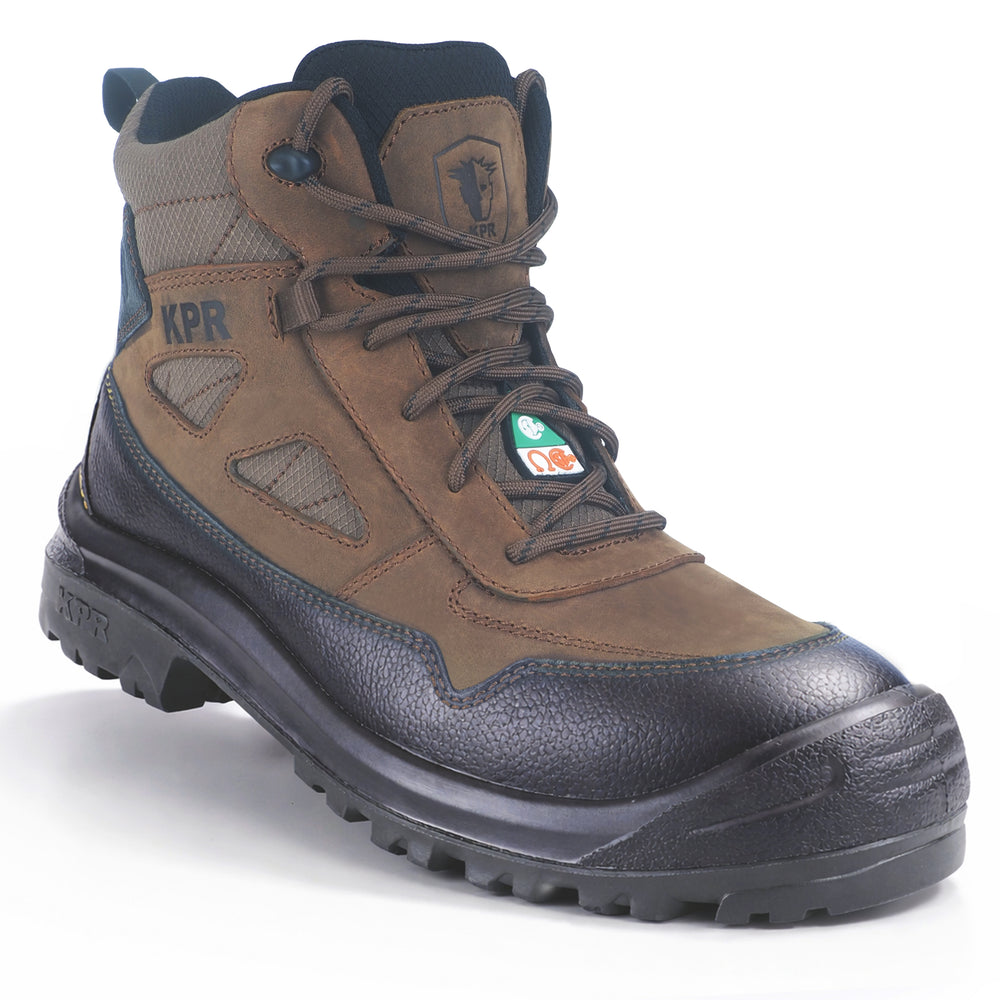
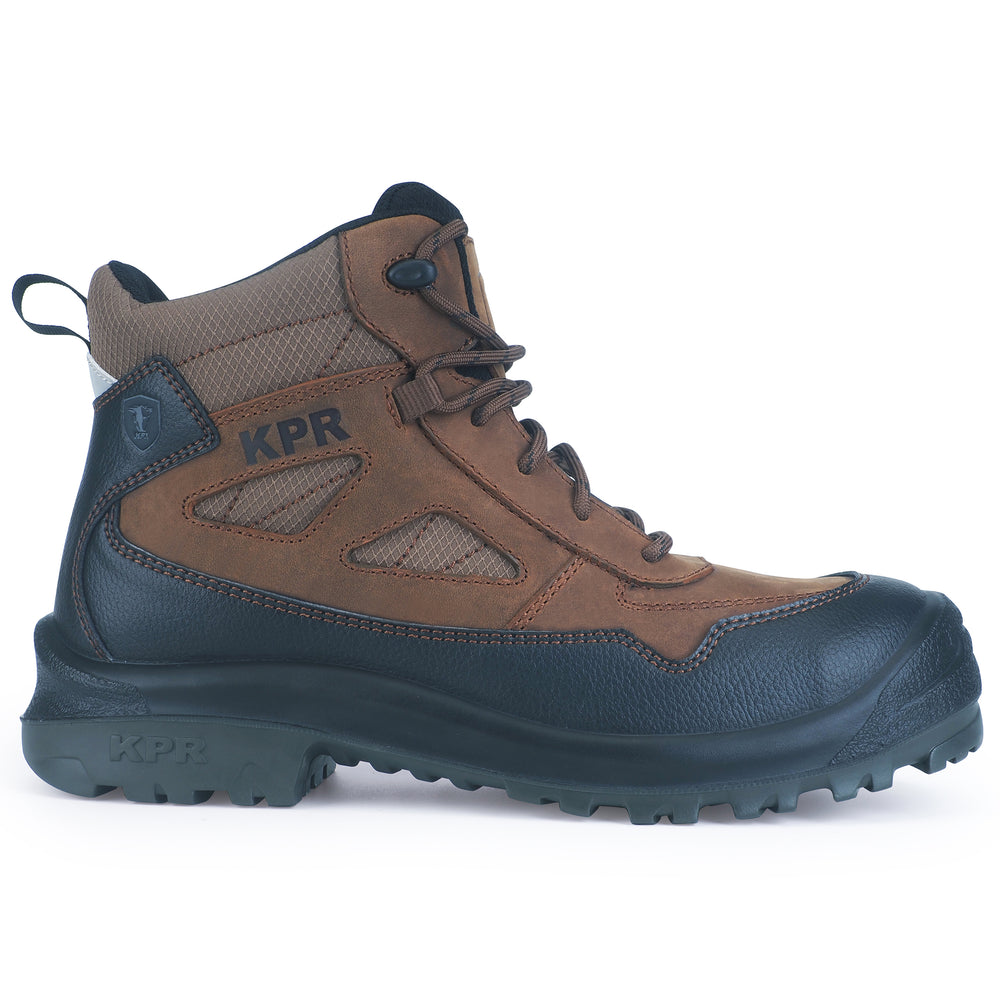
Review toe protection, puncture resistance, outsole information, width, cushioning, weight, flexibility, upper material and closure. EH, SD, ESD and ESR are not interchangeable terms. Never infer one designation from another or from the outsole material.
Material names describe components, not certified performance
| Component | Questions to verify |
|---|---|
| Leather, synthetic or textile upper | Durability, flexibility, cleaning method, water claim and exact-model construction. |
| Midsole and cushioning | Underfoot feel, stability, flexibility and whether a separate puncture claim exists. |
| Rubber, PU, TPU or combined outsole | Exact compound, tread, test information and suitability for the actual floor and contaminants. |
| Lining and insole | Fit volume, moisture management, removable components and orthotic compatibility. |
No component name by itself proves slip resistance, chemical resistance, electrical performance or heat performance.
Plan fit across a workforce
A workforce trial should represent different roles, foot widths, sizes, socks and orthotics. Test the shoes on the actual shift pattern. Record pressure points, heel movement and fatigue feedback by model and size rather than relying on one sample wearer.
Keep the decision traceable
Retain the product record, applicable label, trial notes, approved sizes and review date. Recheck the program if the model, components, workplace process or required standard changes.
Open the KPR manufacturing guide and use the workforce procurement sequence for team purchasing.