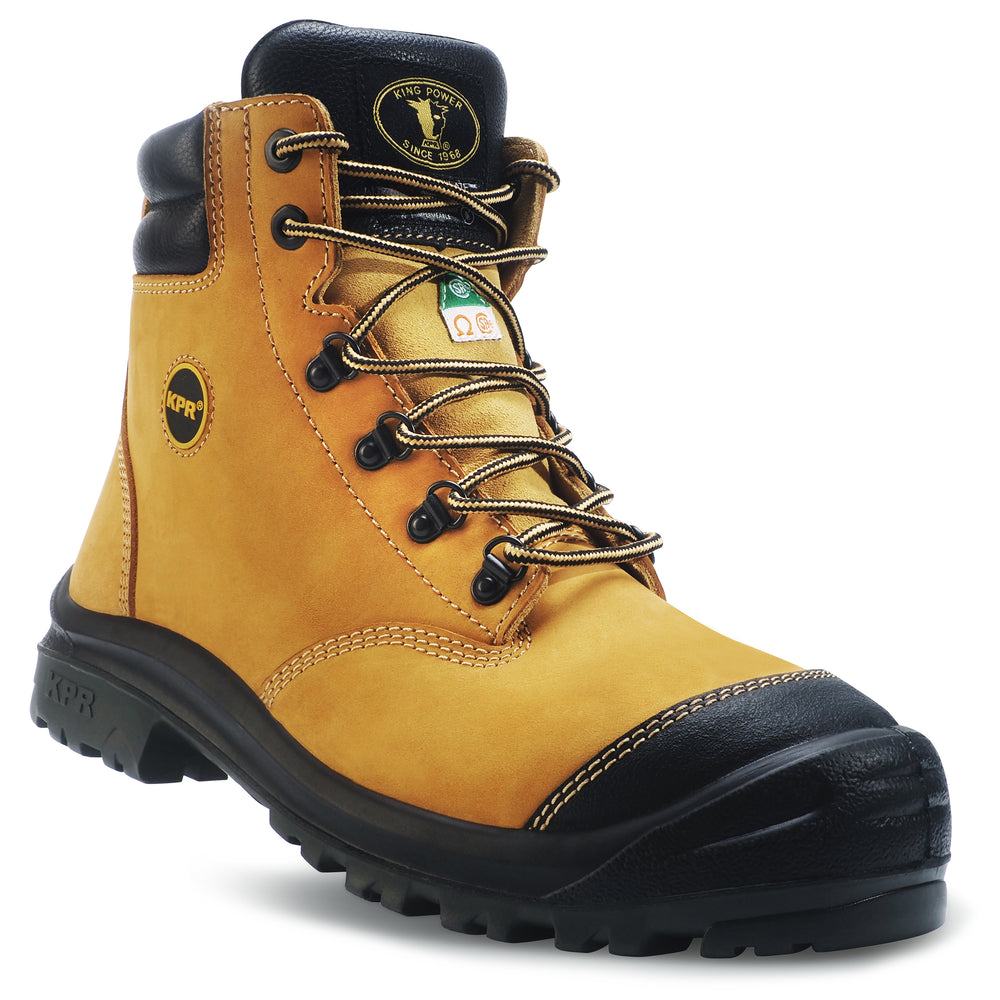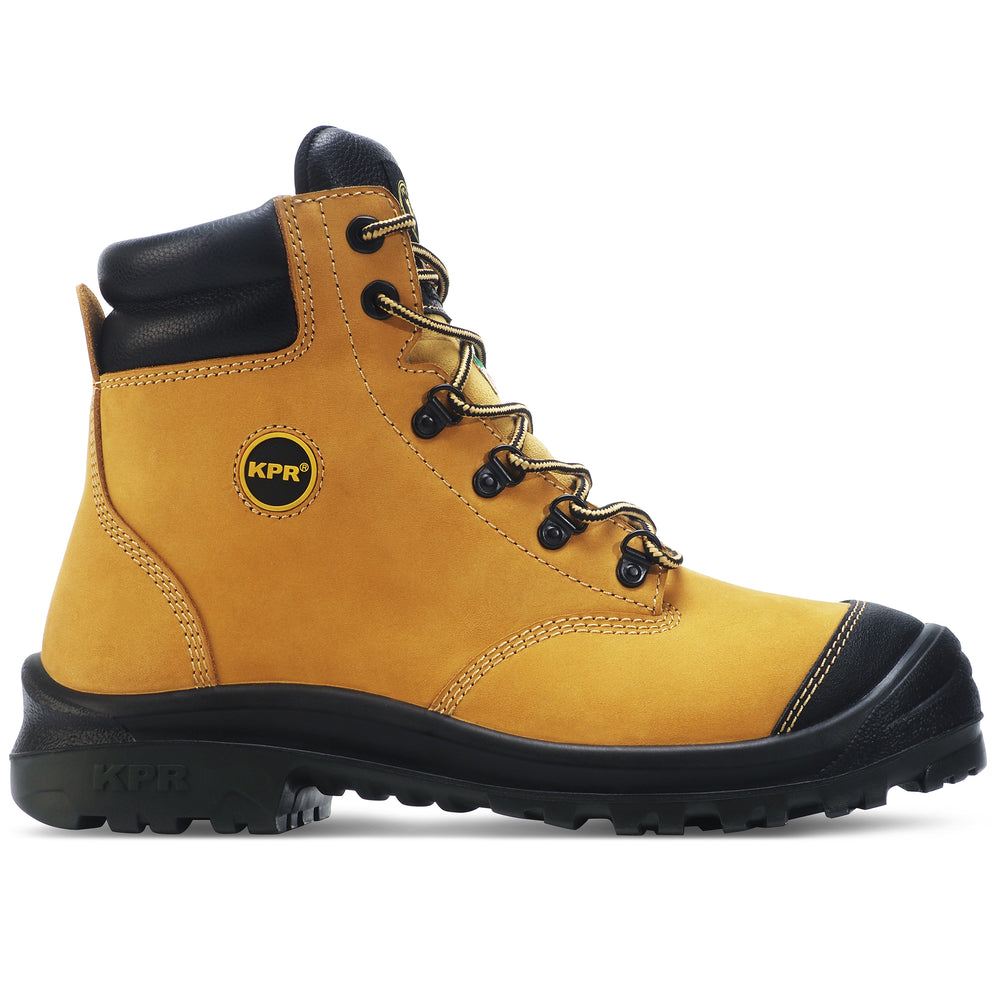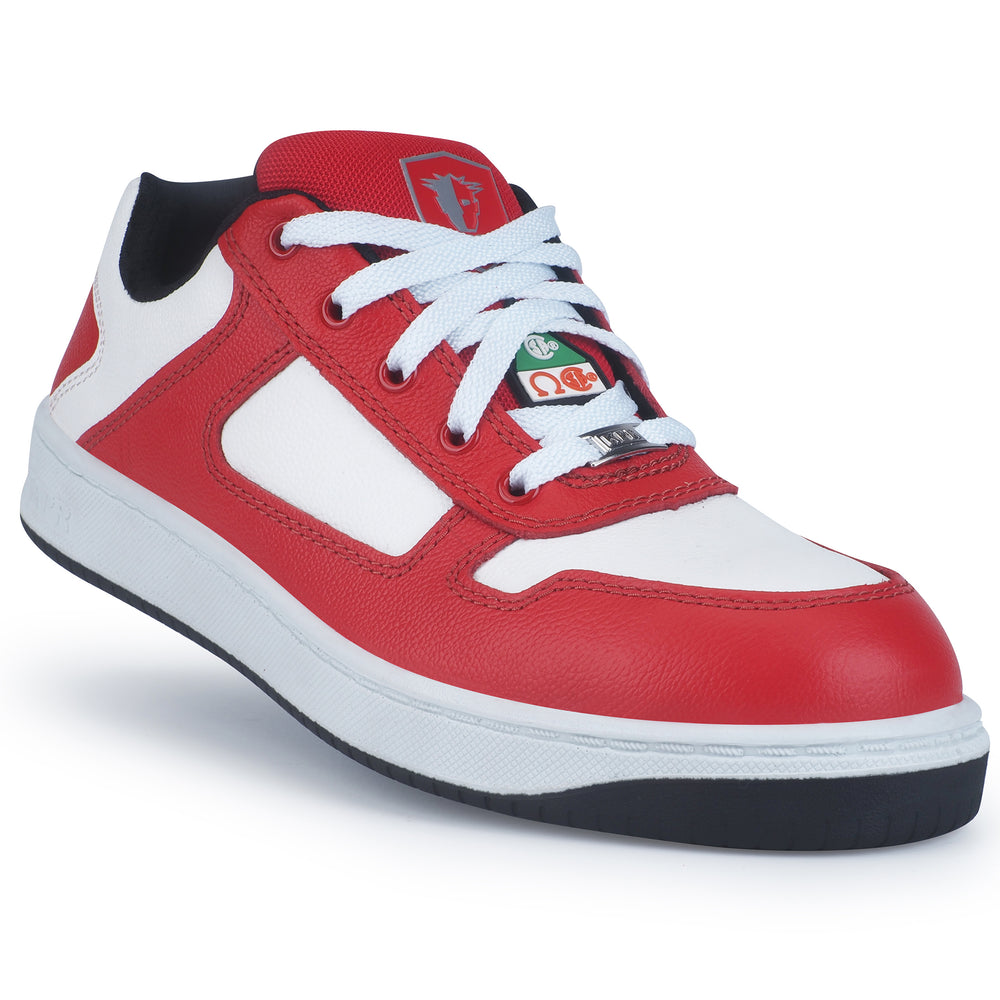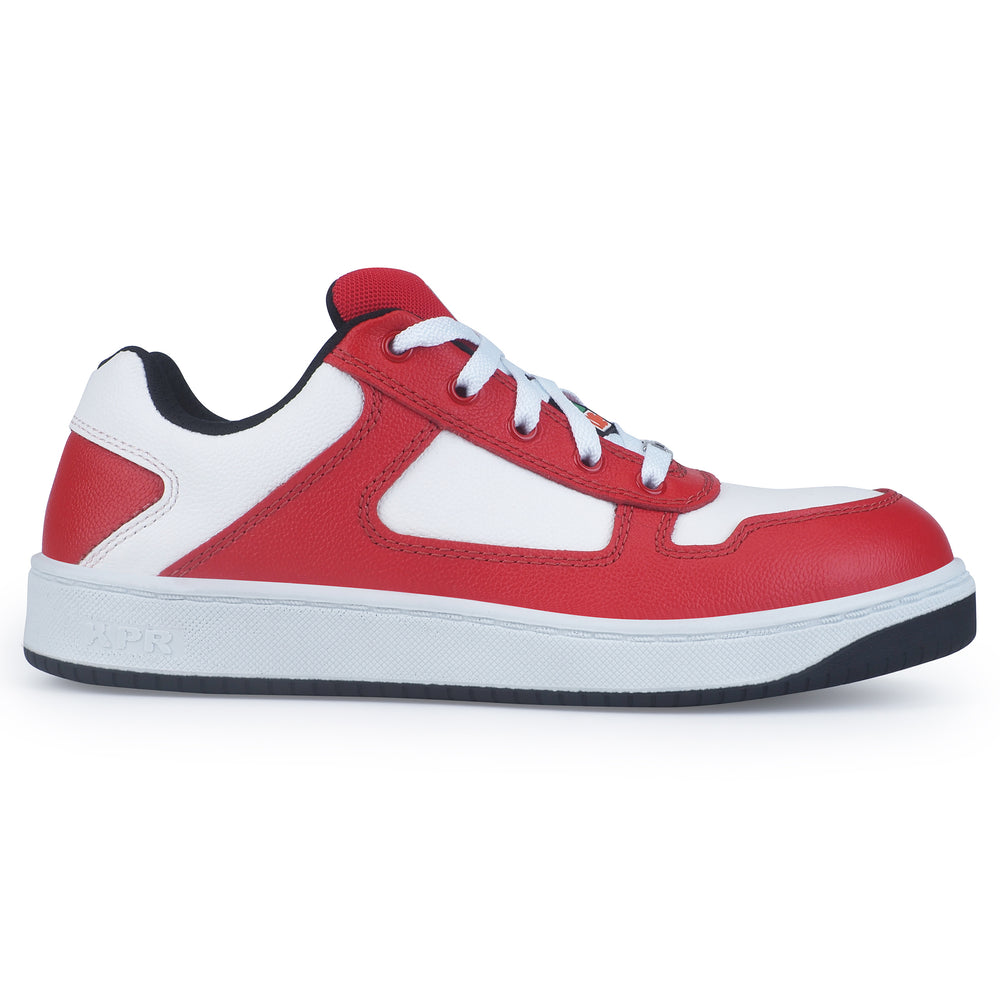
First identify the electrical risk
Electrical-work footwear cannot be chosen from a generic electrical label. The workplace may require secondary electrical-shock protection, static-dissipative footwear, electrostatic discharge control, conductive footwear or another specialized system. These categories solve different risks and are not interchangeable.
Questions for the employer or safety team
- Is the concern accidental electric shock, static buildup, sensitive equipment or ignition risk?
- Which standard, edition and permanent marking is required?
- What other protective measures are part of the electrical-safety procedure?
- Can moisture, contamination, wear or aftermarket components affect the footwear?
EH is secondary protection
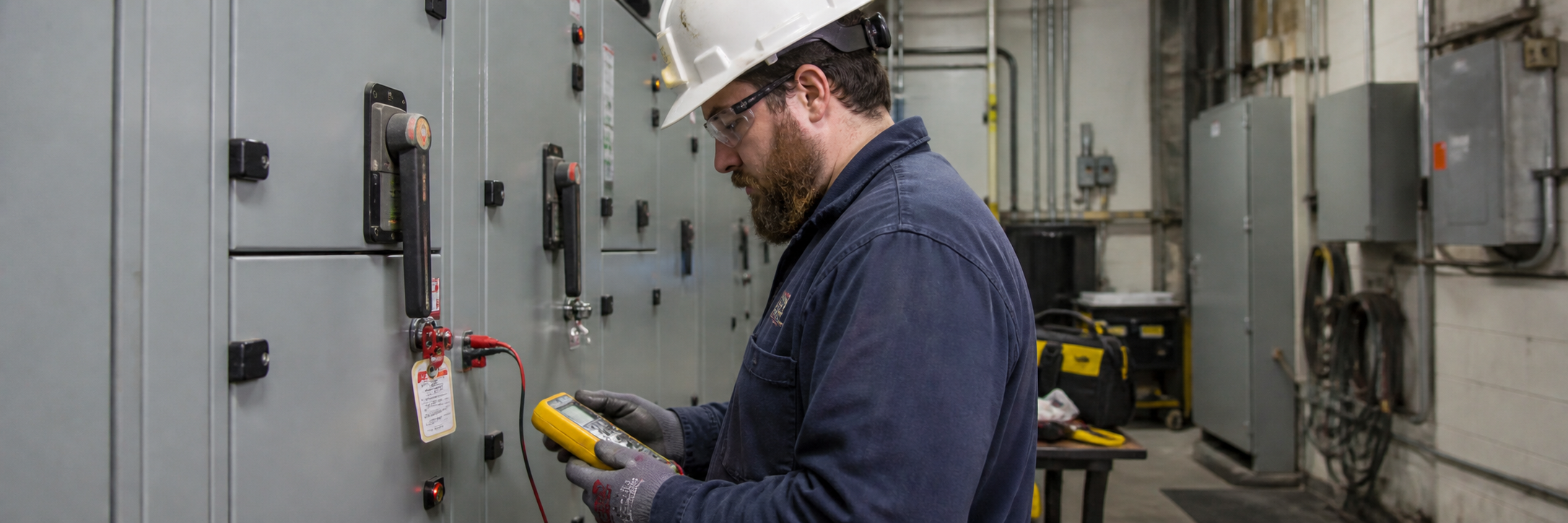
Electrical Hazard footwear should be treated as a secondary protective measure under the conditions covered by the applicable standard. It is not permission to contact energized conductors and it does not replace de-energization, insulation, work practices or other required PPE.
Metal-free is not an electrical rating
Metal-free describes component selection. It may matter for metal-detection environments or product weight, but it does not prove EH, SD, ESD, conductive or any other electrical performance. Only the applicable permanent marking and exact-model documentation can support that claim.
Verify the exact pair
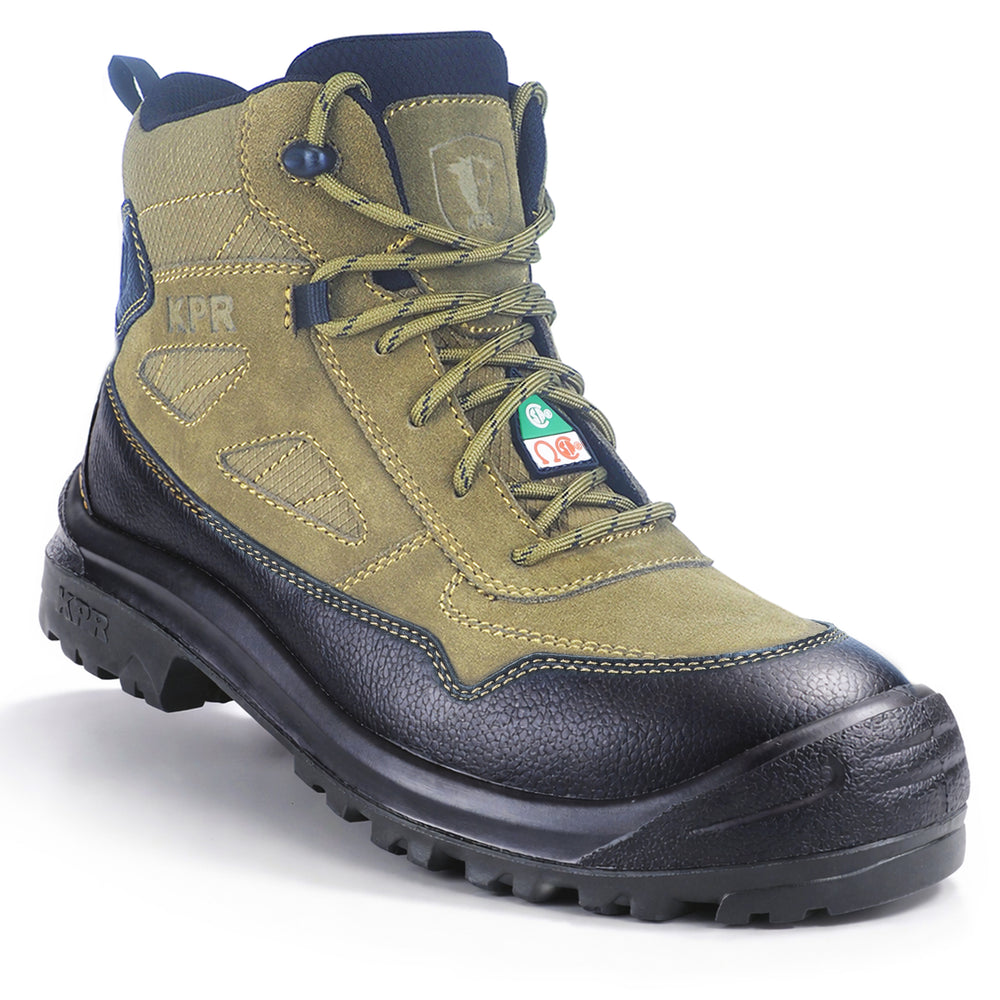
Read the permanent marking and exact-model documentation. Confirm that the selected size and colour variant carries the required information. Inspect the upper, sole, seams and condition before use; damaged, wet or heavily worn footwear may not perform as intended.
Do not make these substitutions
- EH is not the same as SD, ESD or ESR.
- A nonmetallic toe does not prove electrical protection.
- A rubber-looking outsole does not prove an electrical designation.
- A composite toe does not automatically make the complete shoe metal-free.
Review the KPR electrical terminology guide and the electrical work path before comparing products.