Read colour and shape together
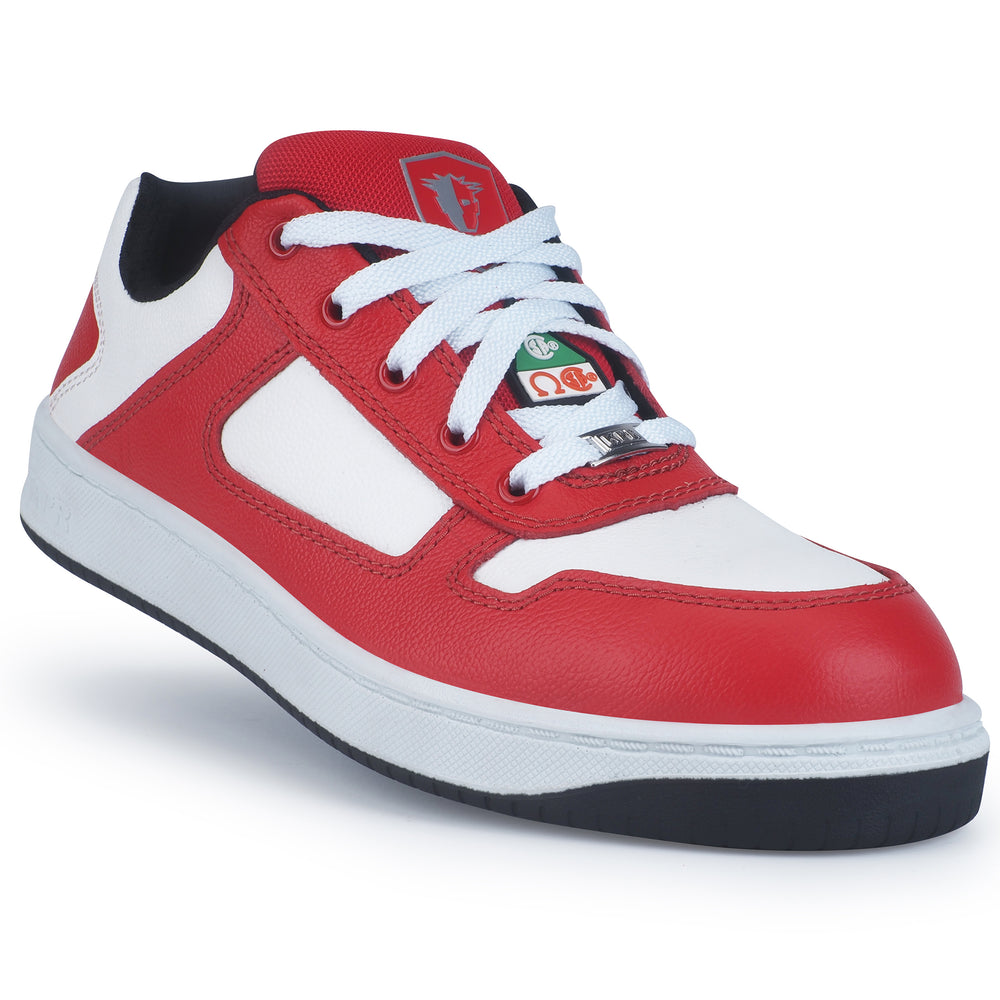
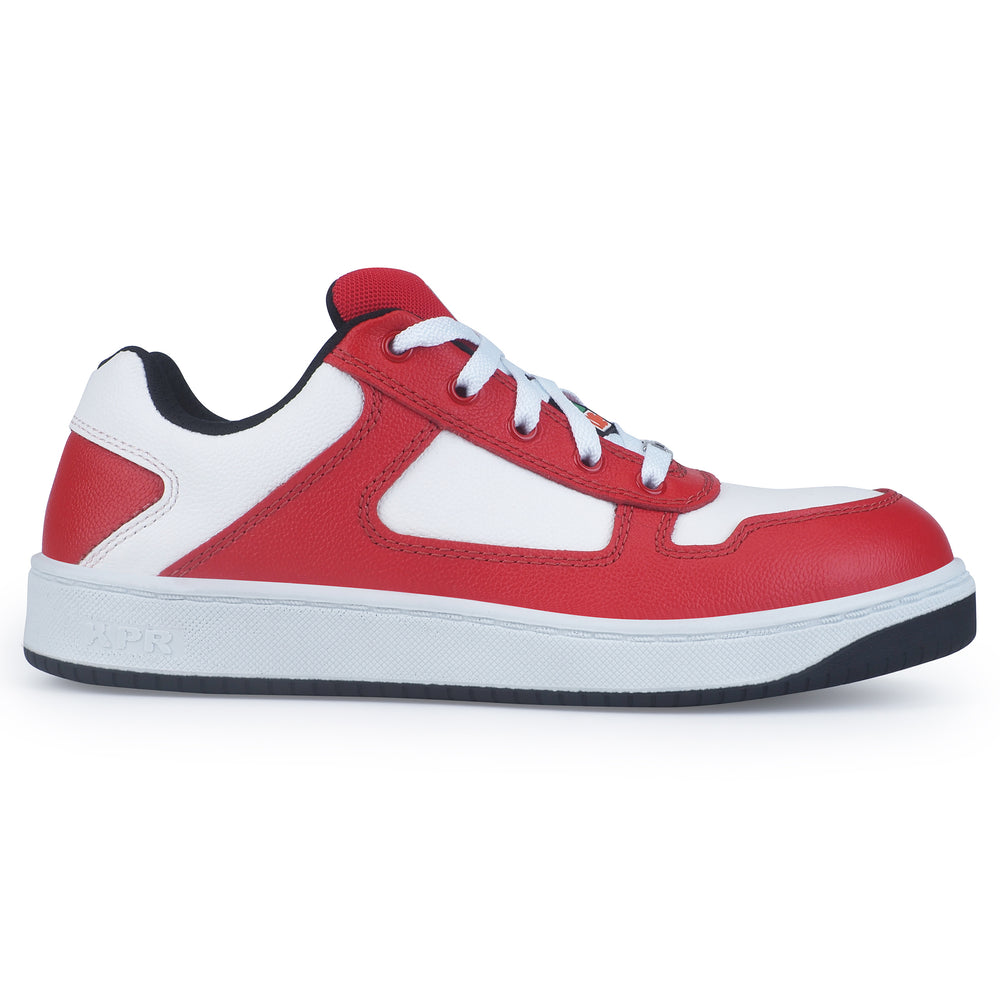
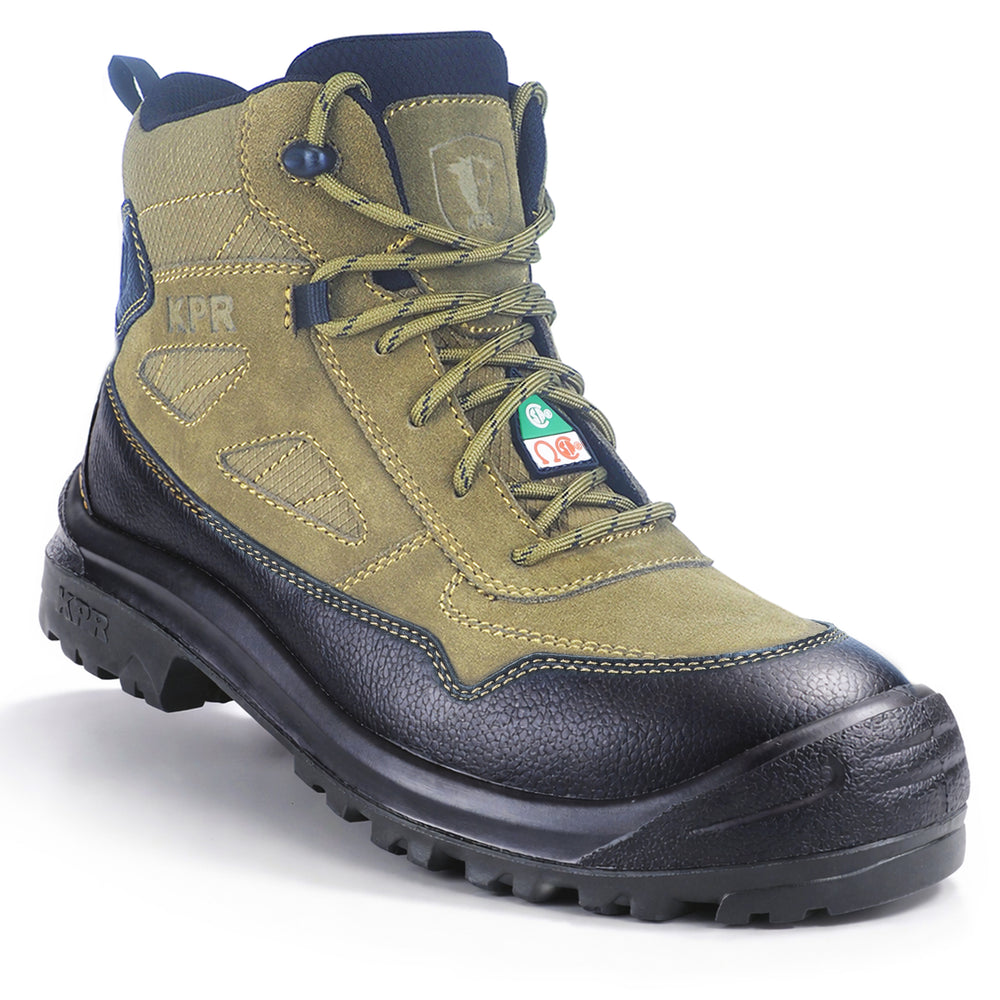
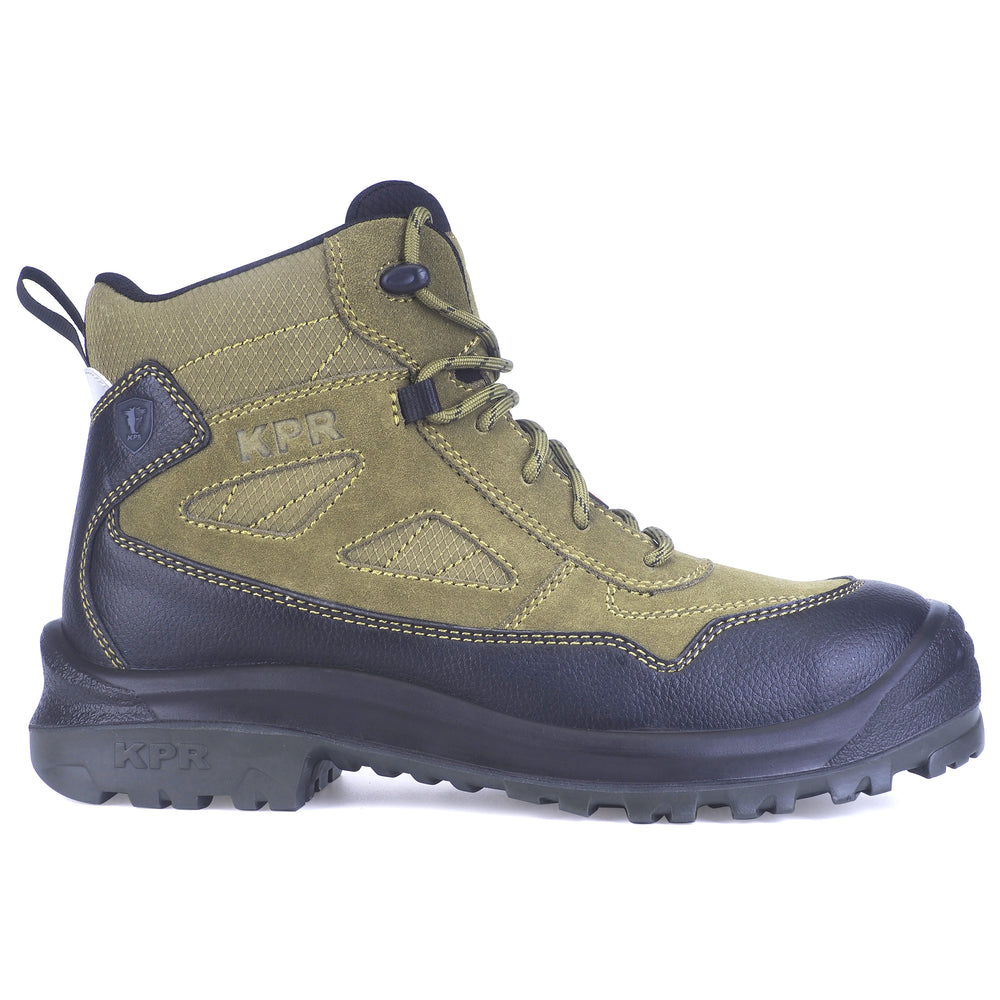
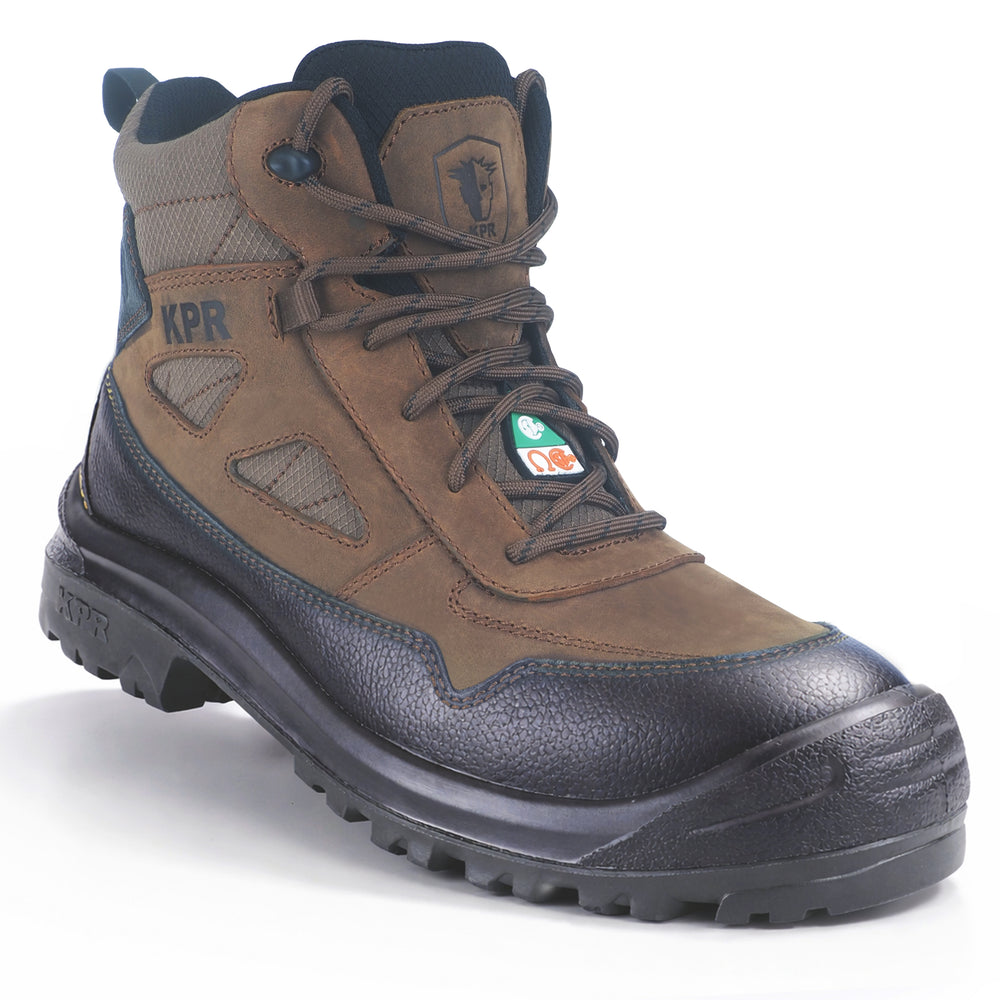
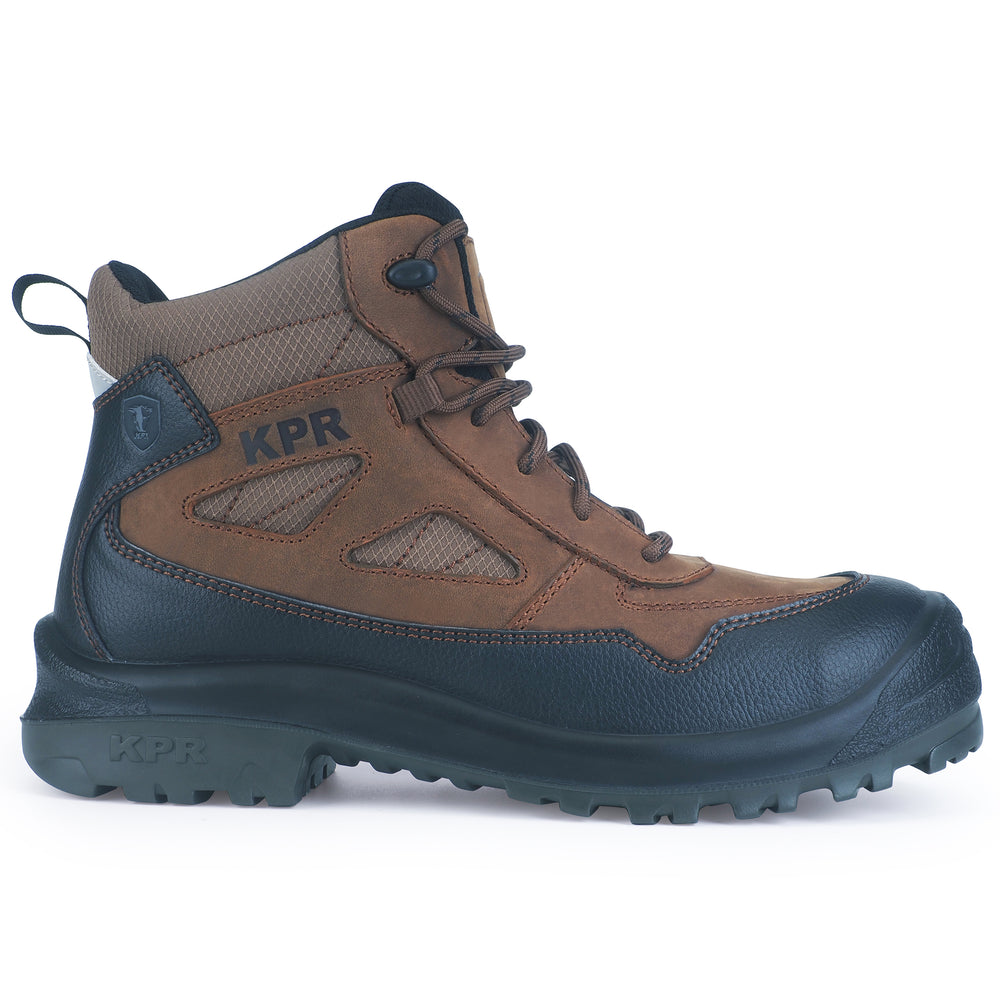
Canadian safety-footwear markings combine colour, shape and a safety code. Toe protection, puncture-resistant sole protection and metatarsal protection are separate categories. Read every symbol permanently attached to the exact pair.
Triangle and rectangle markings
| Marking | Meaning in the CCOHS reference | Selection boundary |
|---|---|---|
| Green triangle | Grade 1 protective toe with puncture-resistant sole protection. | Verify both protections on the exact pair. |
| Yellow triangle | Grade 2 protective toe with puncture-resistant sole protection. | Do not treat Grade 2 as Grade 1. |
| Blue rectangle | Grade 1 protective toe without certified puncture-resistant sole protection. | Add a separate puncture requirement when the hazard exists. |
| Grey rectangle | Grade 2 protective toe without certified puncture-resistant sole protection. | The rectangle does not establish sole puncture protection. |
| Dark-grey M | Metatarsal protection for the upper-foot region. | Confirm it separately from the toe marking. |
Choose from the workplace hazard
Falling or rolling objects, sharp debris and upper-foot impact are different exposures. The employer assessment should state which protection categories are required. A familiar symbol or a heavy-looking boot cannot replace that decision.
Read the complete pair
- Confirm Canada and the applicable workplace requirement.
- Identify every colour and shape on the permanent marking.
- Separate toe, puncture and metatarsal requirements.
- Match the marking to the model, SKU and configuration.
- Inspect condition and follow the employer replacement procedure.
Common errors
- Assuming every protective-toe shoe has puncture-resistant sole protection.
- Ignoring the grade shown by the colour and symbol family.
- Treating a metatarsal guard as a substitute for toe protection.
- Using a CSA symbol as automatic proof of a U.S. ASTM or European EN ISO requirement.
Official reference and related guides
Compare the actual marking with the official CCOHS Safety Footwear reference. Read How to Read CSA Safety Footwear Symbols for the complete library, or open CSA Omega, SD and C Symbols for electrical and static markings. Return to the CSA overview.